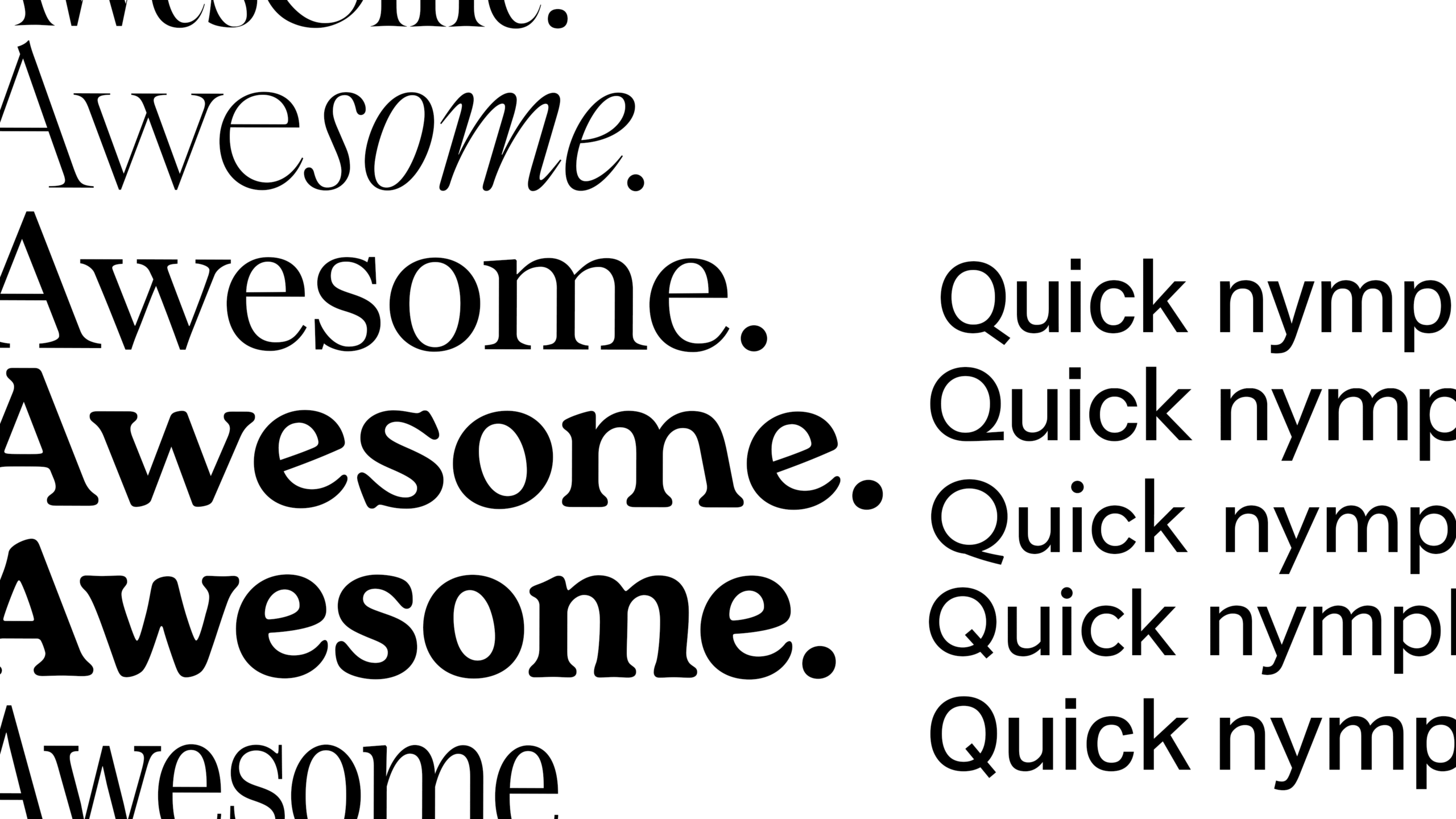
Every year I take stock of the fonts I actually use versus the ones that just look good in a specimen book. These are my favorites for 2026. The ones I reach for when a project needs a specific tone or hierarchy. The ones that have proven themselves in real work.
This list moves roughly from serif headings down through sans body fonts. These are my go-to choices right now.
Heading serifs that project calm confidence
Rocaand Gelica are basically the same vibe. Calm but bold. They have this “we’re here for you” energy that works perfectly when you need to feel approachable but serious. Great for mission-driven organizations or brands that need to project strength without being intimidating.
Instrument Serif is completely different. It’s official, important, loud, pioneering. When you need a heading that commands attention and says “we’re doing something significant here,” this is the one.
Scotch Deck is the compressed variant of Instrument Serif. Same official, pioneering character but in a tighter package. Good for when horizontal space is limited but you still need that authoritative voice.
Miller Display brings journalistic credibility. Serious, official, authoritative. It’s the font equivalent of a well-researched article. Works beautifully for both headings and body text, which makes it unusually versatile.
The accent fonts
Ivyorais special. Any weight below bold exudes what I’d call silent luxury. Pure elegance and simplicity. But the real standout is the italic and oblique styles, which are exceptionally well-crafted. This is your sophistication font.
Norman Variable is my choice when I need elegant and enigmatic at the same time. Being a variable font gives you tremendous flexibility while keeping those refined sensibilities intact.
Sans workhorses
Instrument Sans might be my desert island font. People compare it to Helvetica, but dare I say it’s more perfect. Better balanced, more versatile. Smart, authoritative, legible, neutral. Works as body text, in headings, as accents. Just works everywhere.
Acuminhas that techy precision. Structured and versatile. Good when a project needs to feel contemporary and systematic without being cold.
Quasimodais legible and versatile with a lot of variants to choose from. Some of the letter shapes remind me of Futura. There’s a geometric quality that adds character without hurting readability.
The reliable backups
Aktiv Grotesk is what I grab when I need techy, versatile, direct, and neutral with no frills. Beautiful sans that gets out of the way and lets the content speak.
Proxima Nova rounds out the collection. It’s been around long enough to prove itself, and it comes in enough weights to handle pretty much any challenge. A solid, dependable choice.
The fonts we choose shape how our words land. These twelve have earned their place in my workflow. Whether you need pioneering confidence, journalistic authority, or quiet elegance, there’s something here worth considering.
Mexico City is one of the great metropolises of the world — ancient, sprawling, chaotic, beautiful, and deeply alive. This is a city where Aztec ruins sit beneath Spanish cathedrals, where world-class art museums are free to enter, and where a 500-year-old cloth draws 20 million pilgrims a year. This guide covers the sights that make CDMX truly unforgettable — the places you will still be talking about a decade from now.
Before You Arrive: A Note on Altitude
Mexico City sits at more than 7,000 feet above sea level — higher than Denver. You will feel it. Expect shortness of breath, fatigue, and possibly headaches for the first day or two. Stay hydrated, pace yourself on arrival, and lean into the lighter, more walkable sights before tackling the full itinerary. The order below is loosely designed with that in mind.
Day 1 Morning: Chapultepec Castle
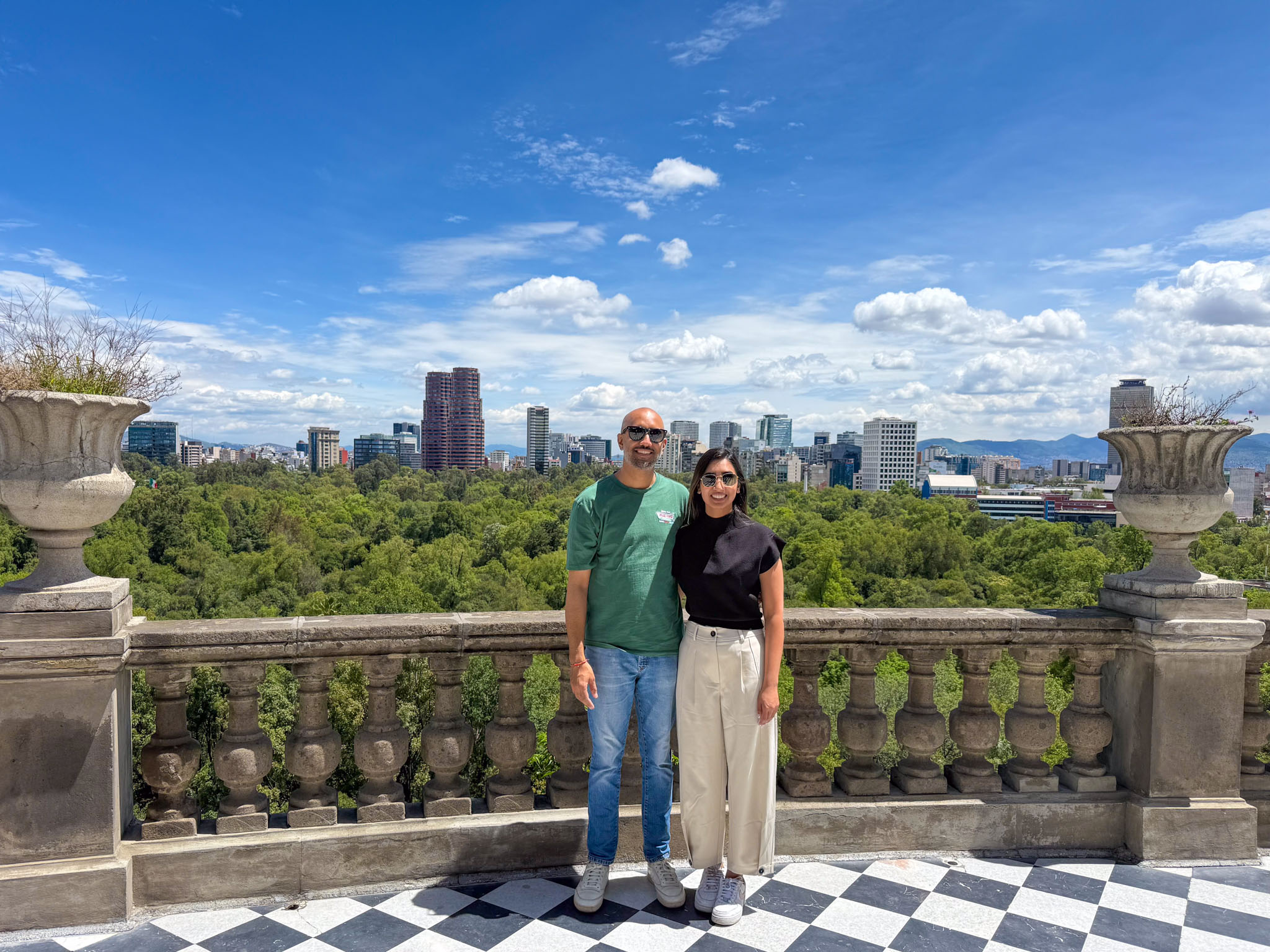
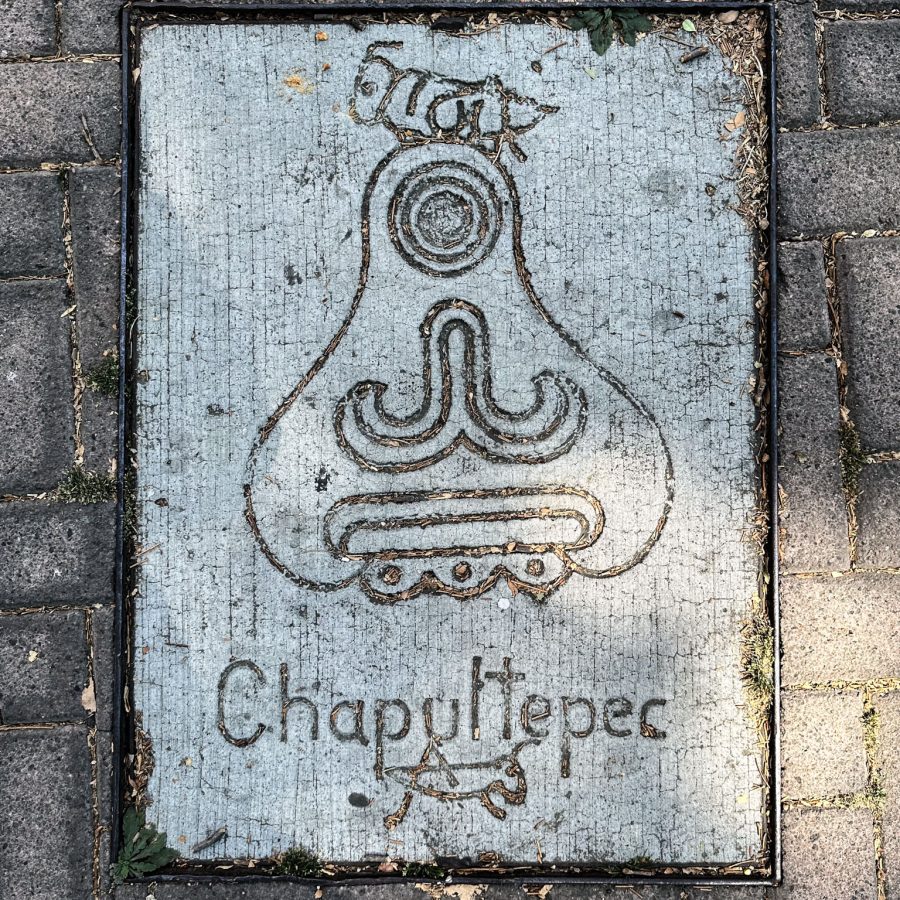
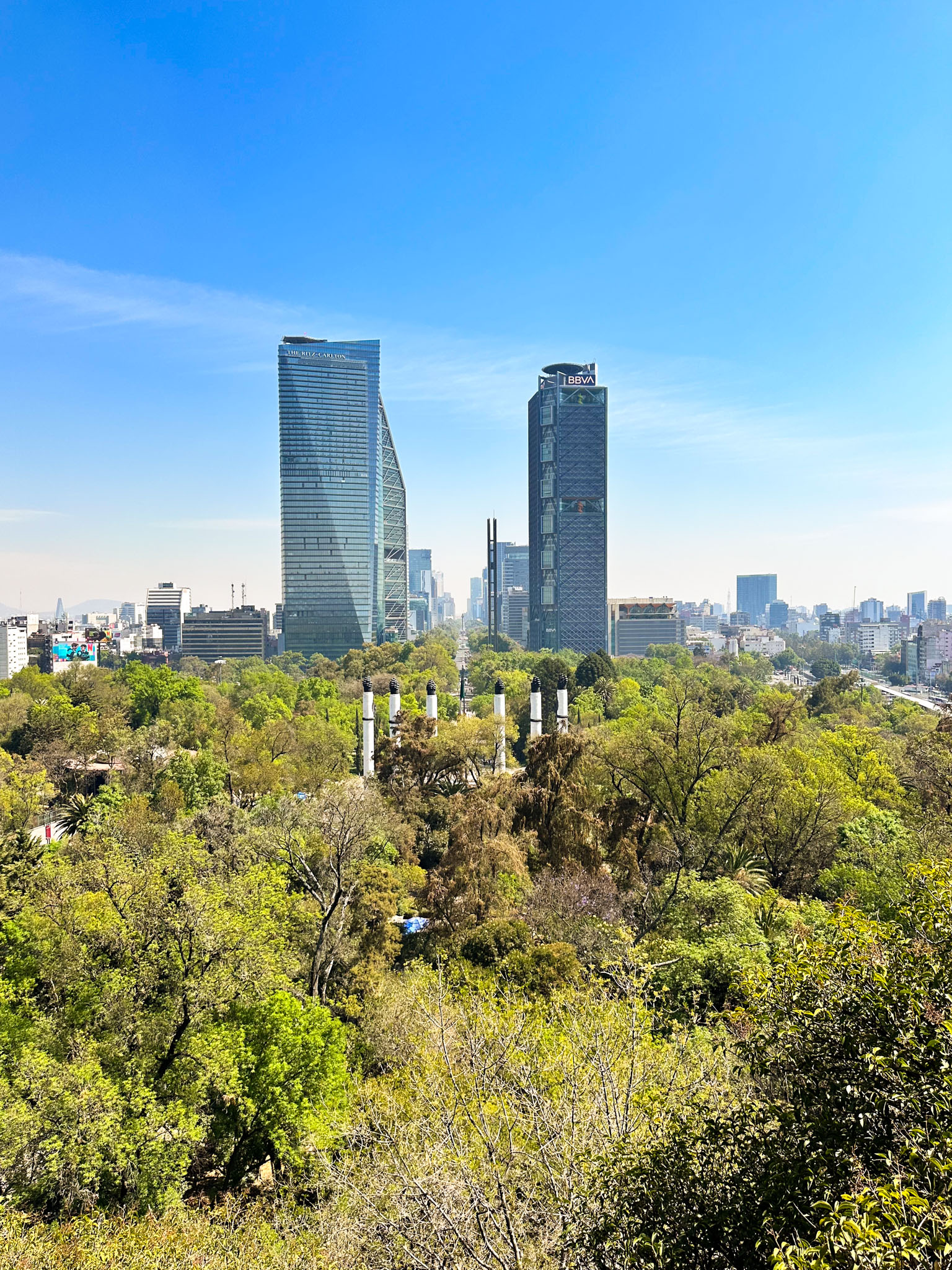
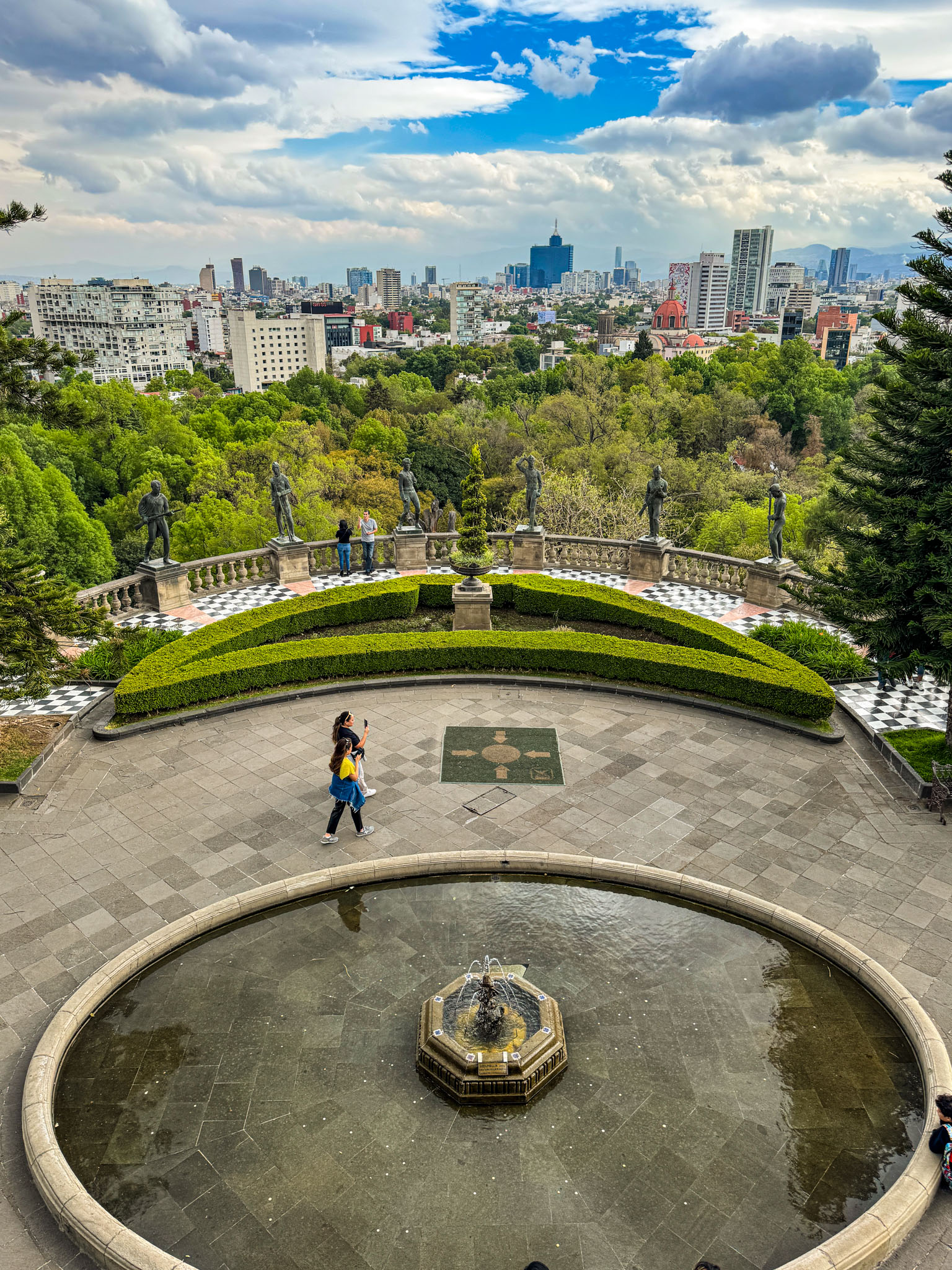
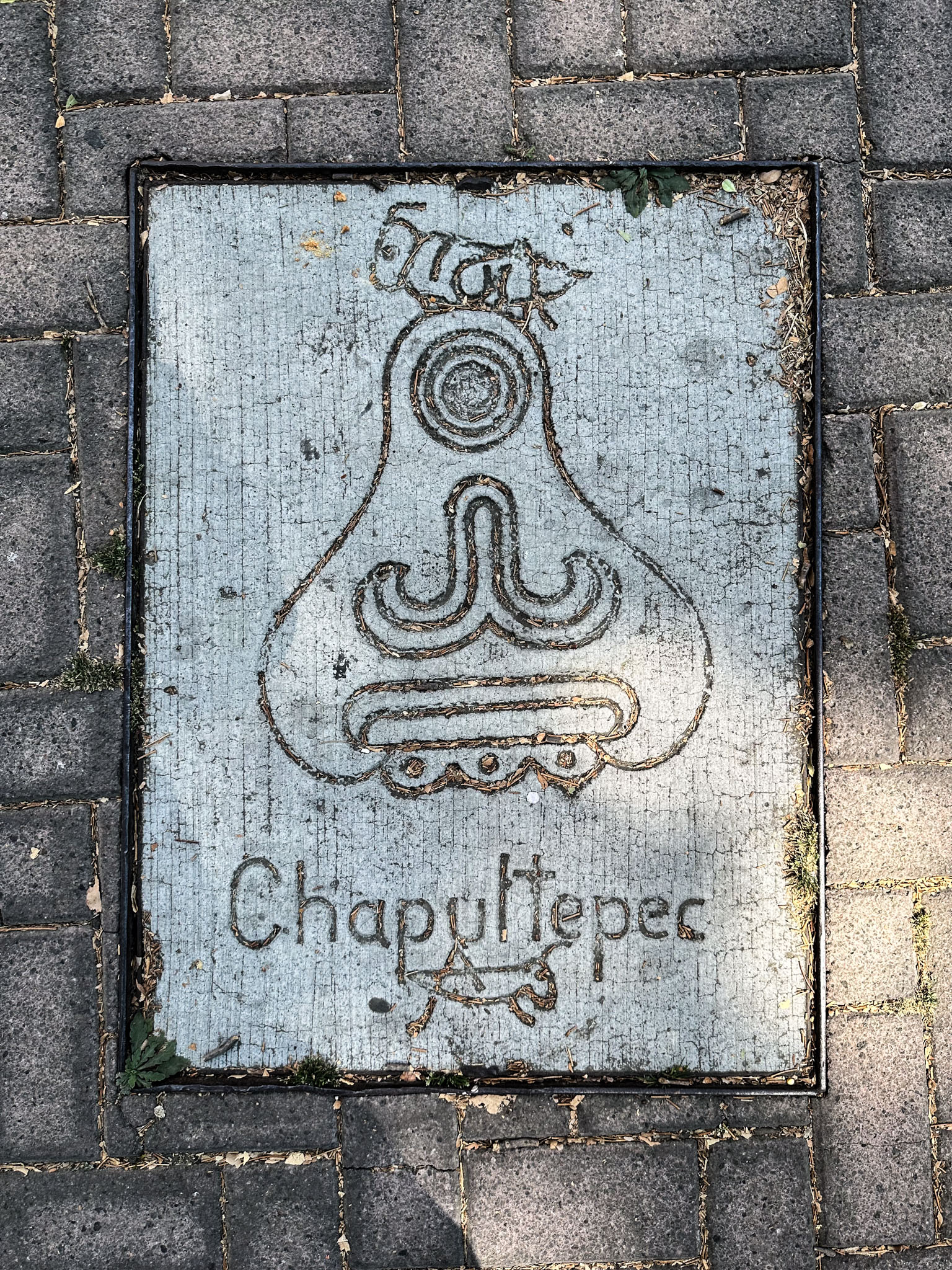
Start your trip with a hike up to Chapultepec Castle. It is the perfect gentle first-day activity — a manageable climb through a forested park that helps your lungs adjust to the altitude, and the views from the top are some of the most sweeping panoramas of the city you will find anywhere.
The castle itself is a genuine historical gem. It served as the residence of Mexican emperors and presidents throughout the 19th and early 20th centuries and now functions as the National History Museum. The collections and murals inside are well worth your time. Get there early before the heat and crowds settle in.
These two world-class museums sit side by side in the Polanco neighborhood and make for an easy half-day pairing.
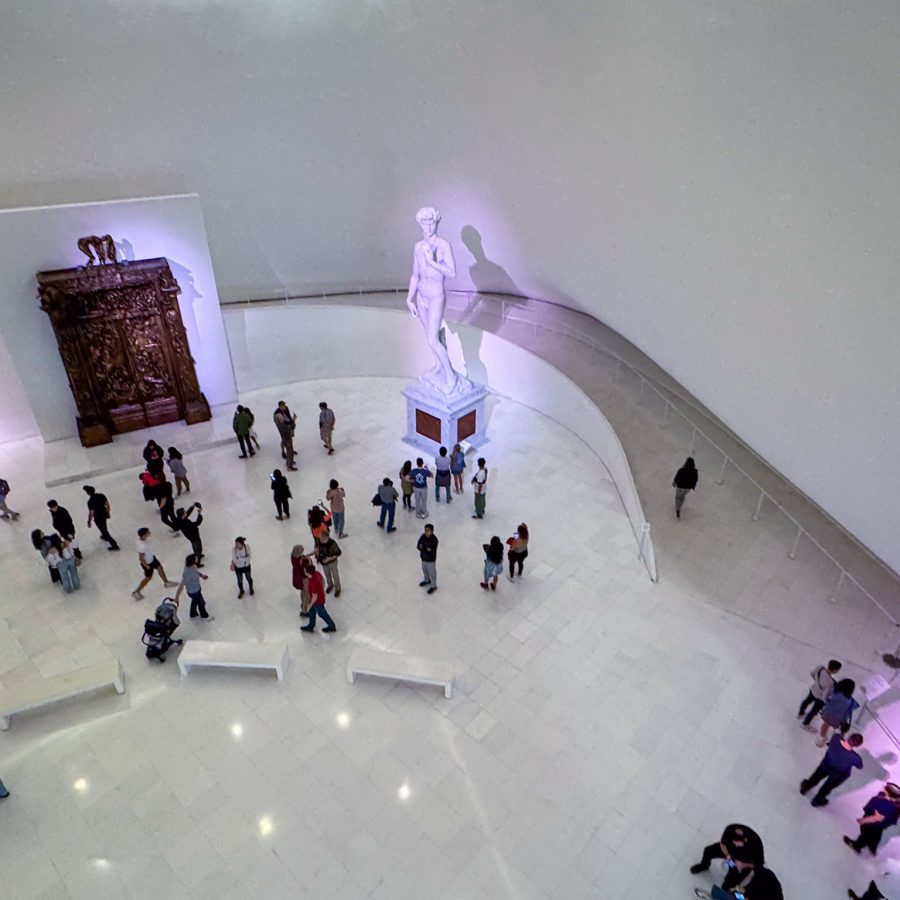
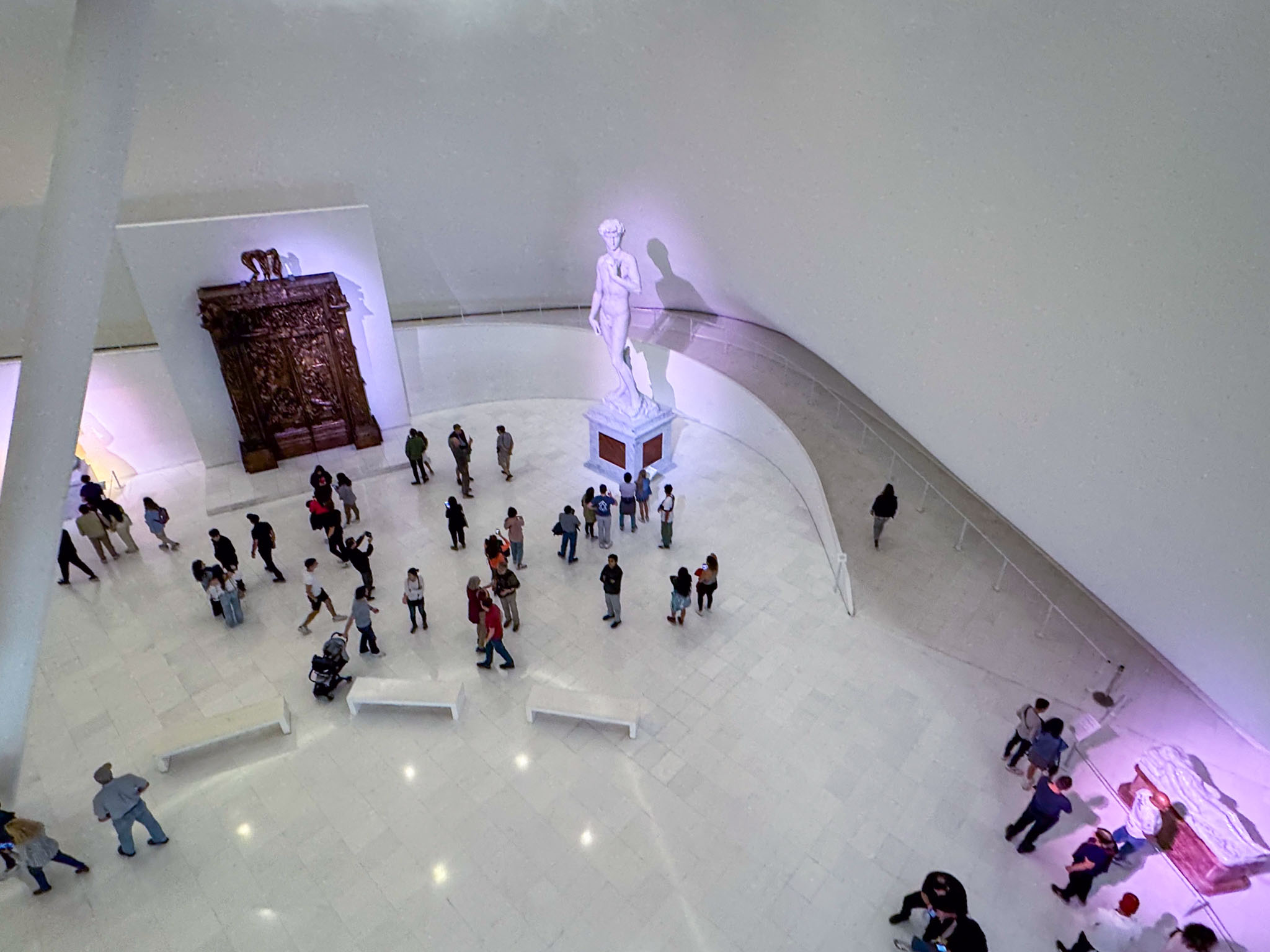
Soumaya Museum (https://maps.app.goo.gl/DWHP49cFR8vZzxxY8) is funded by the Carlos Slim Foundation and is free to enter. Do not let that fool you — this is a serious collection. The museum covers the history of Mexico and the wider world and contains some genuinely surprising artifacts: an early Hispanic map of Mexico City, original stock certificates owned by the Slim family from Mexico’s first major modern infrastructure projects, and fascinating exhibits tracing the birth of Mexican industry. It also houses the largest collection of Auguste Rodin sculptures outside of France. It rewards slow, unhurried looking.
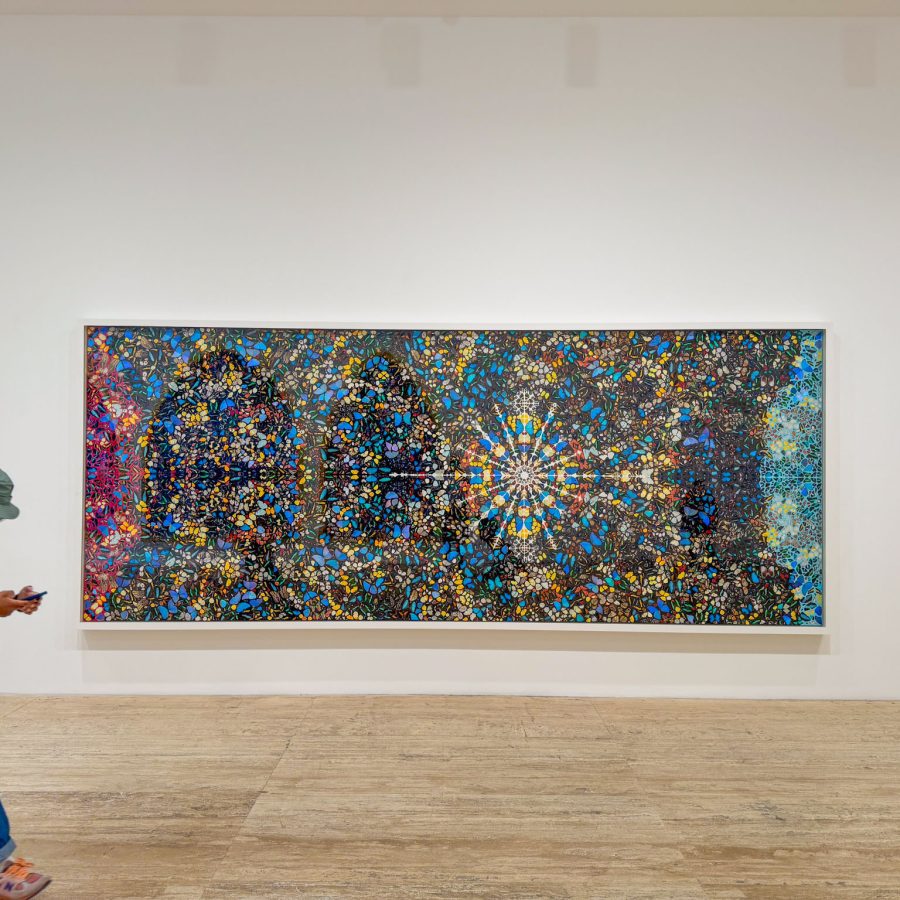
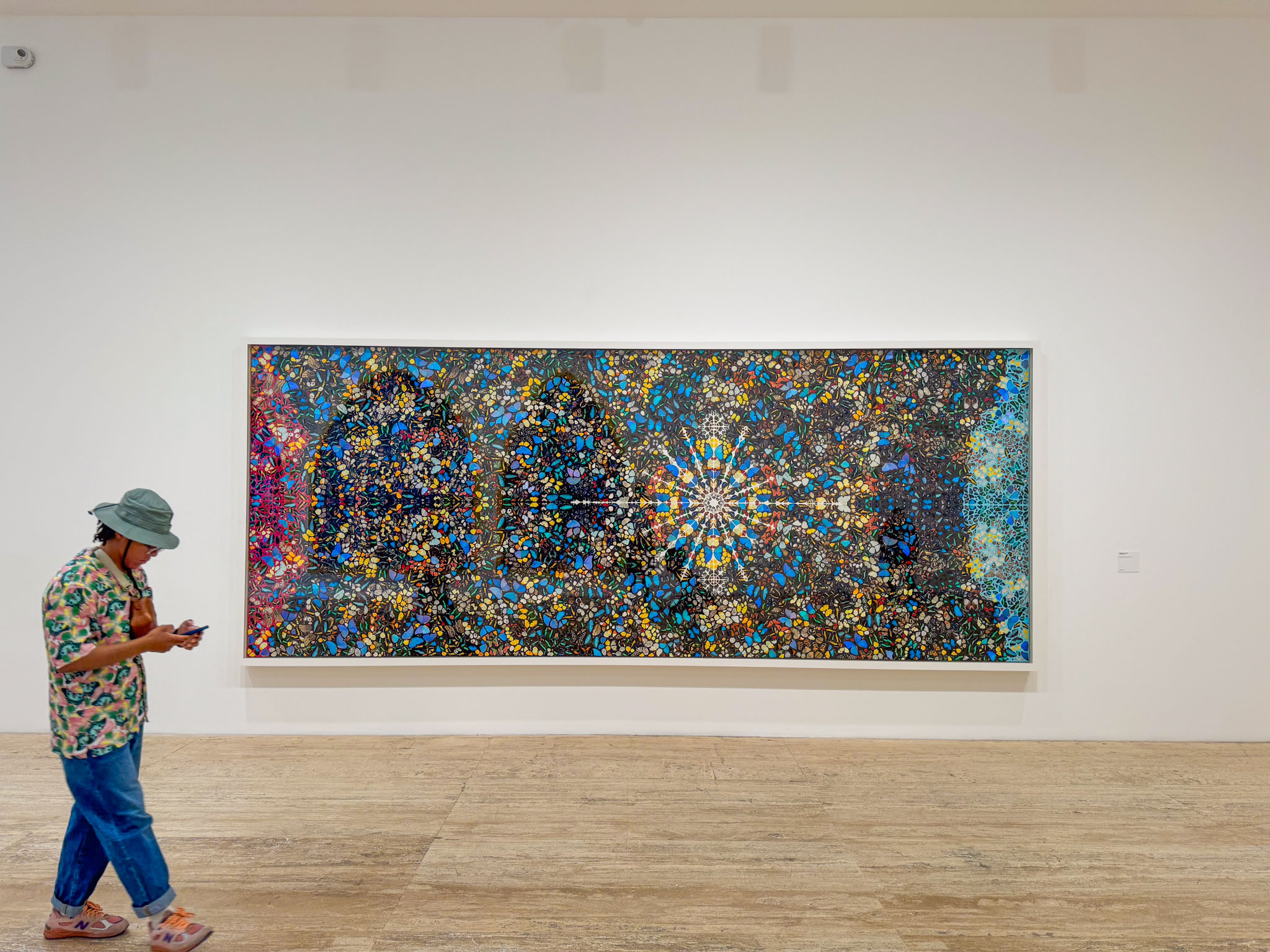
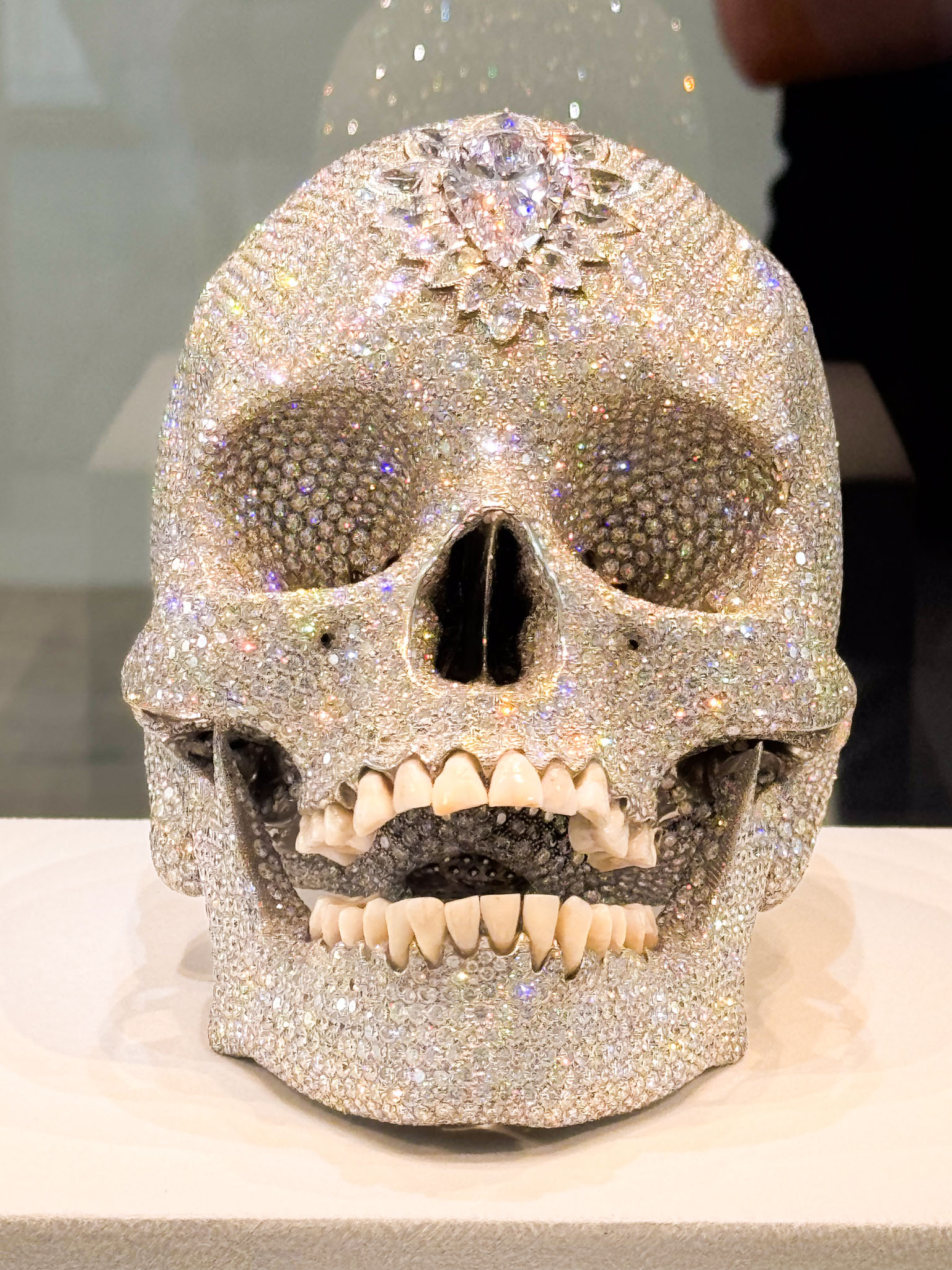
Jumex Museum (https://maps.app.goo.gl/tUFaQkEjuRiGMbNx5) is a contemporary art museum right next door. The rotating exhibits are often bold, provocative, and genuinely memorable. On one visit, it was hosting a full Damien Hirst exhibition — the kind of show you would expect to find in London or New York. Check what is on before you go.
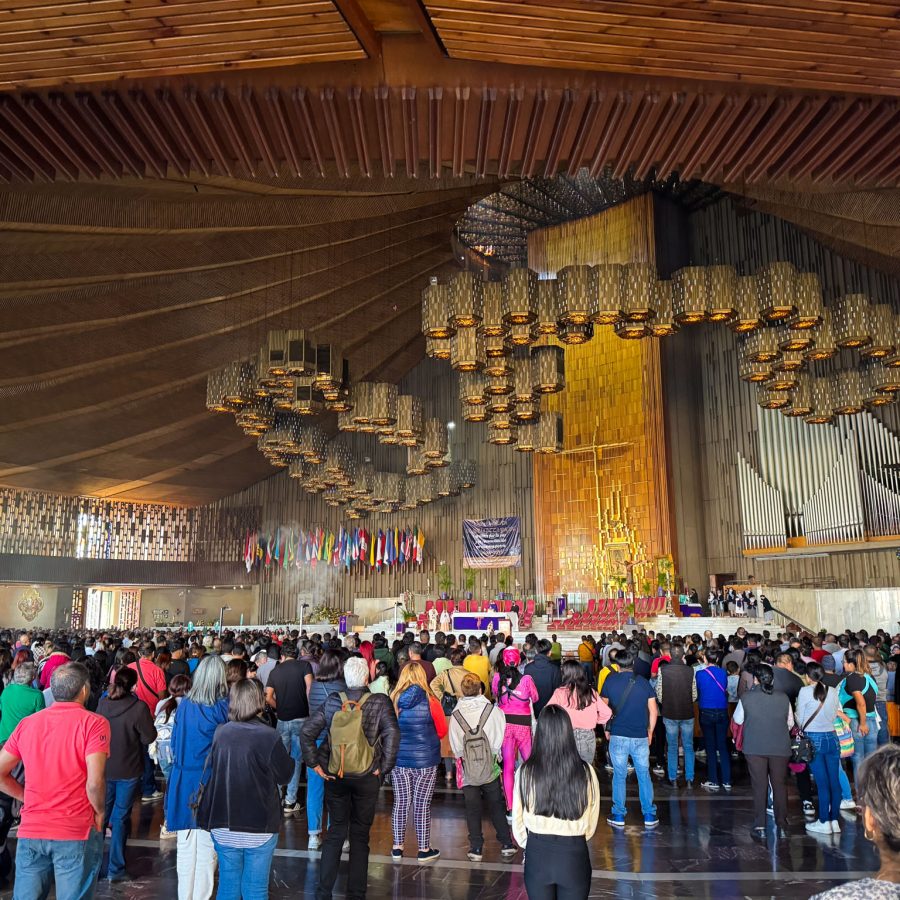
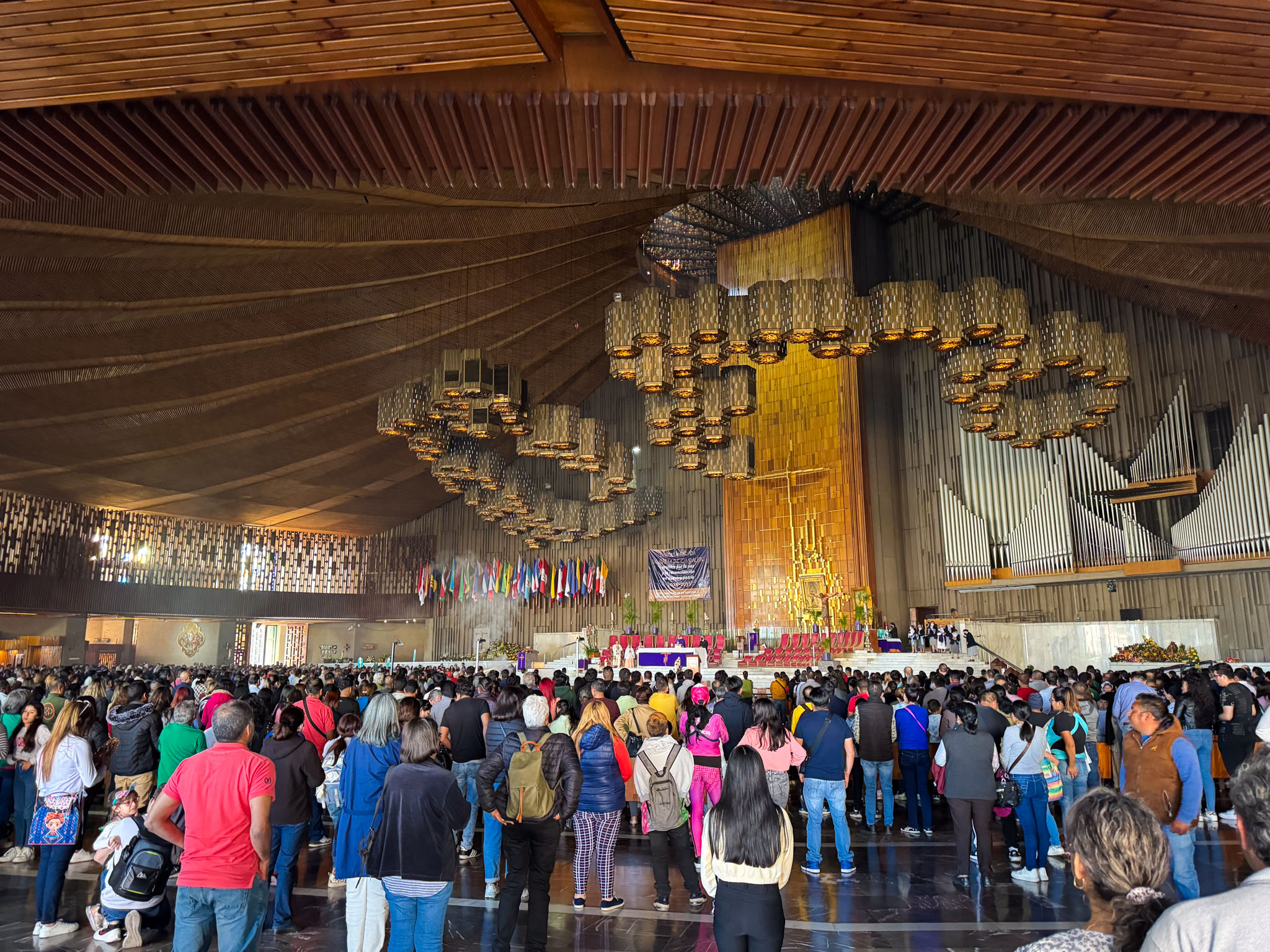
This is one of the most visited Catholic pilgrimage sites in the entire world, receiving over 20 million visitors each year. Even if you are not religious, it is profoundly moving to be among the faithful who have traveled from across Latin America — some arriving on their knees — to visit this place.
The reason for the devotion is a story that has captured hearts for nearly 500 years. In December 1531, a humble indigenous man named Juan Diego reported a series of visions of the Virgin Mary on the hill of Tepeyac on the outskirts of what is now Mexico City. She asked him to carry a message to the local bishop requesting that a church be built in her honor. The bishop was skeptical and demanded proof.
In a final apparition, the Virgin instructed Juan Diego to climb to the cold, barren summit of the hill and gather flowers to bring as a sign. Miraculously, he found Castilian roses in full bloom — flowers not native to Mexico and completely out of season in the dead of winter. The Virgin arranged them inside Juan Diego’s cloak, known as a tilma, and told him to present them to the bishop. When Juan Diego opened his cloak, the roses tumbled to the floor — and imprinted on the inside of the rough-woven fabric was a vivid image of the Virgin Mary, exactly as she had appeared to him. The bishop fell to his knees. A church was built.
What makes the story even more extraordinary is that Juan Diego’s tilma — a coarse cloth made of cactus fiber, a material known to deteriorate within 20 to 40 years — is still on display in the Basilica today, nearly 500 years later, its colors unfaded and the image intact. Scientists who have examined it have found no evidence of paint or any identifiable pigment. You can see it yourself, carried past on a slow-moving walkway beneath the glass. It is an experience unlike anything else.
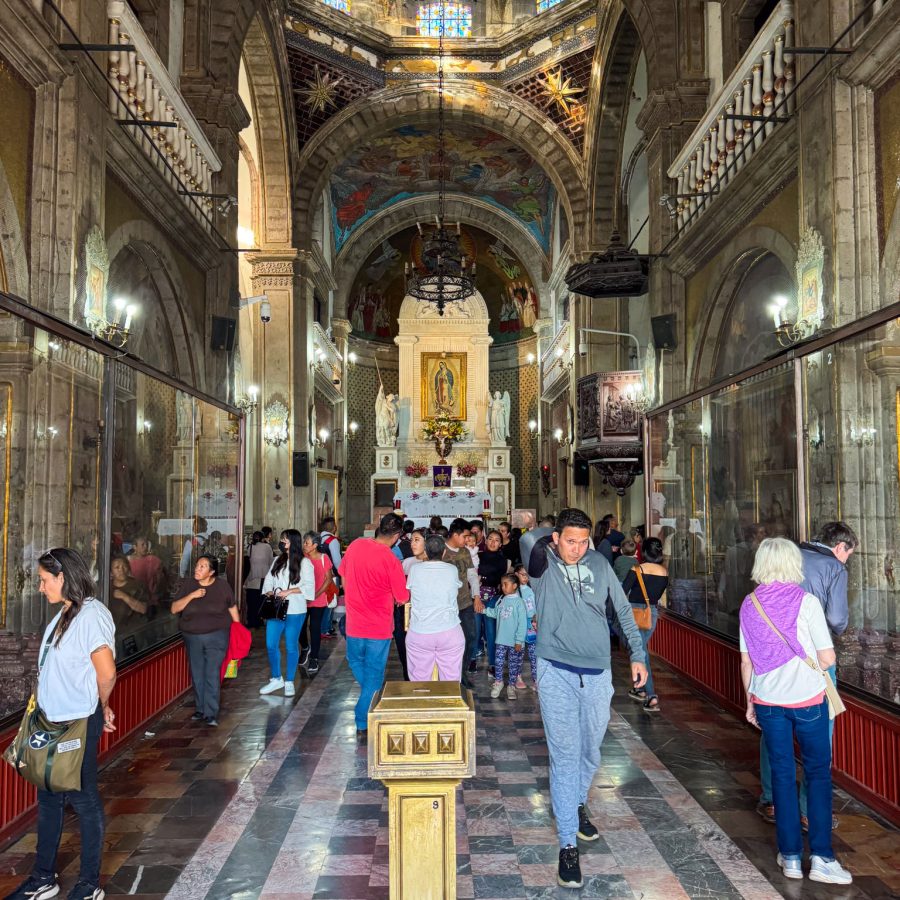
Go early to take advantage of cooler temperatures. After visiting the Basilica, make the climb up to the Capilla del Cerrito (https://maps.app.goo.gl/tQTRcakvqmim13V87), the small chapel at the top of Tepeyac Hill where Juan Diego found the roses. The views of the city from up there are spectacular, and standing on that hill adds a meaningful dimension to the story you have just encountered below.
The Coyoacán Neighborhood
Coyoacán is one of the most charming and walkable neighborhoods in all of CDMX. Plan a full half-day here. The streets are lined with colonial-era buildings, jacaranda trees, and plazas full of life. It is the kind of neighborhood that makes you want to slow down.
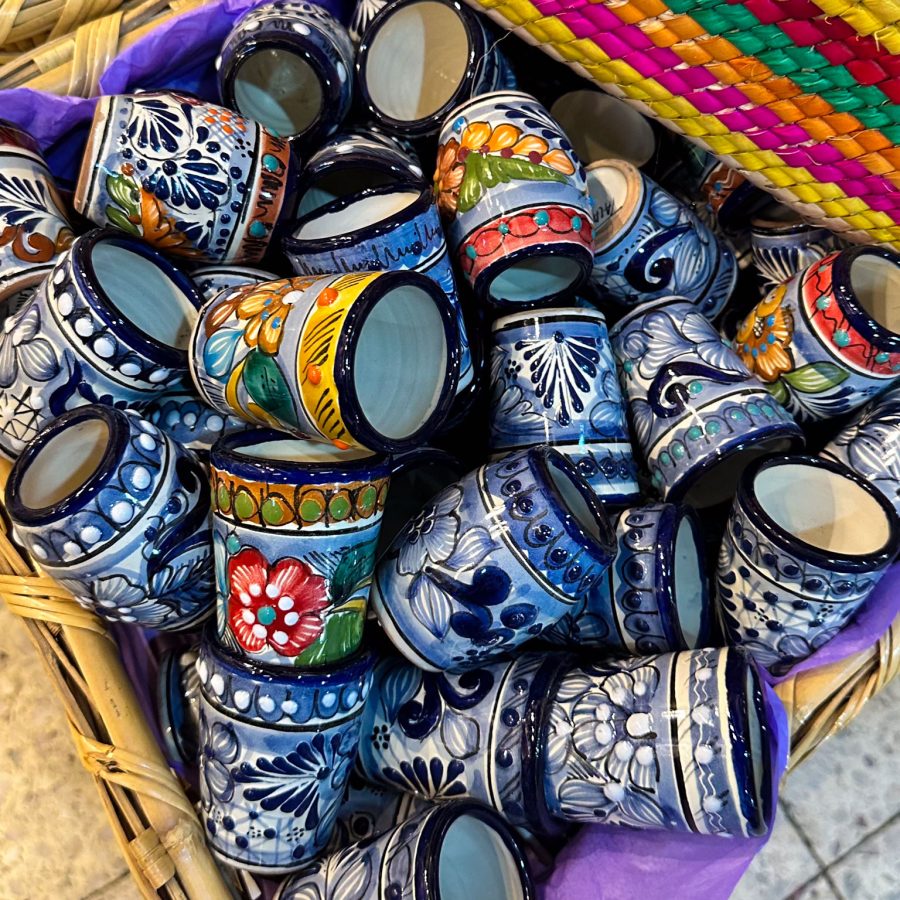
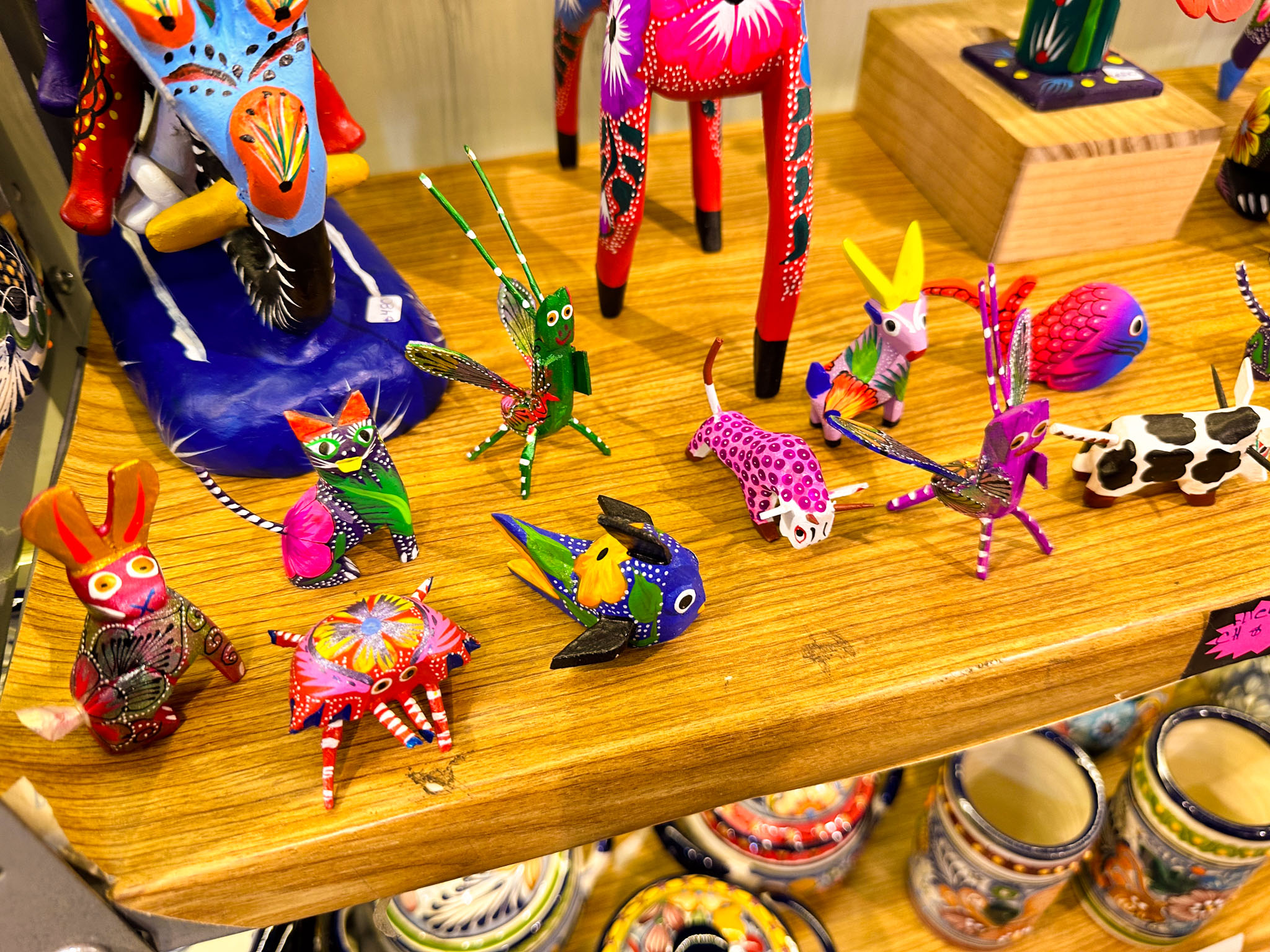
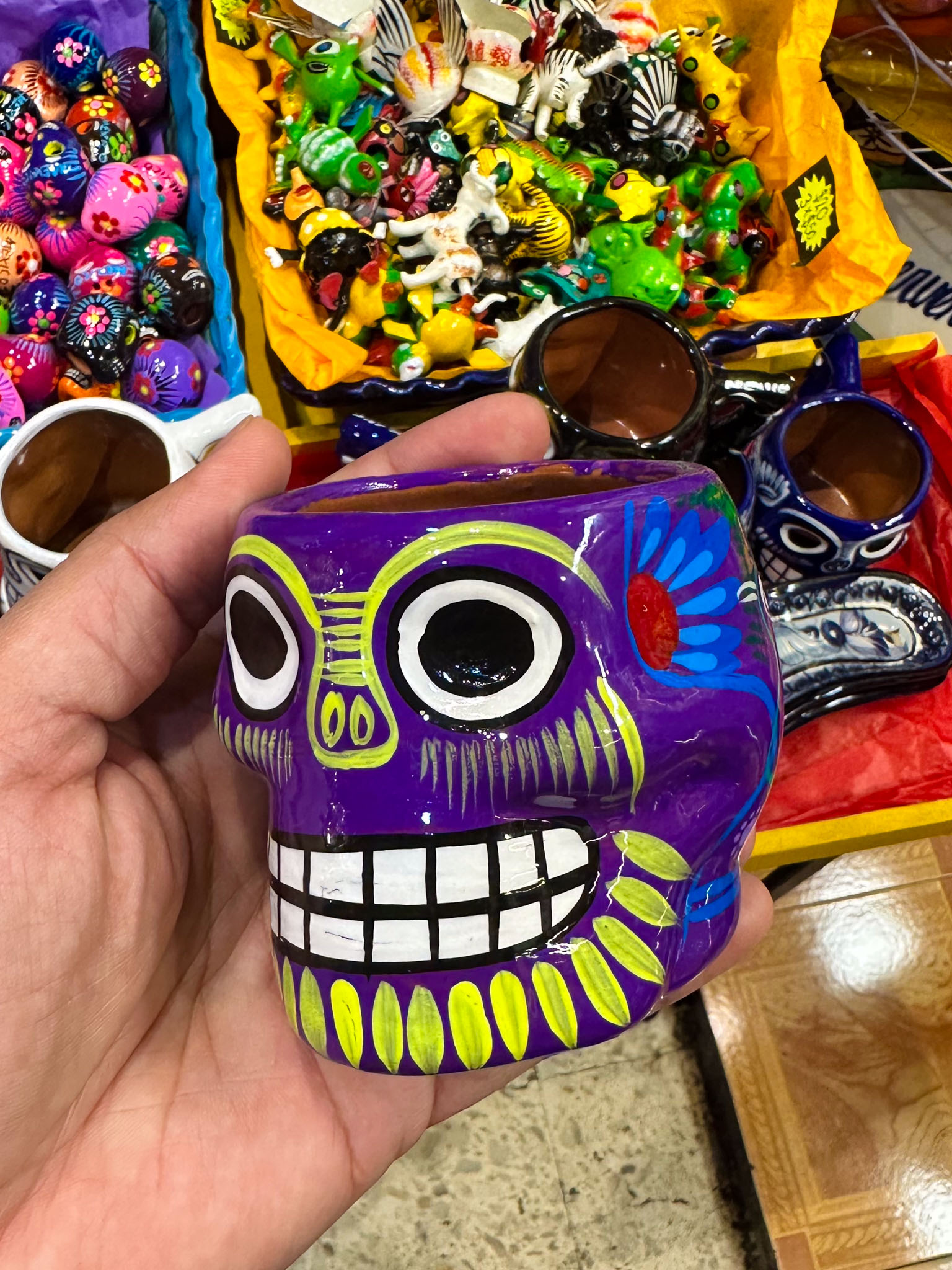
Bazar Artesanal Mexicano (https://maps.app.goo.gl/Gij9i9ajVXYpDTQH8) is the place to browse for handicrafts, folk art, textiles, and gifts. The quality here is genuinely high and the selection is enormous — far better than what you will find in tourist-facing markets closer to the city center.
Coyoacán Market (https://maps.app.goo.gl/PYWsHNCsVLYXz7uB6) is worth a walk-through as a window into neighborhood life. It is a real, working covered market — not a tourist construction — and the energy inside is wonderful.
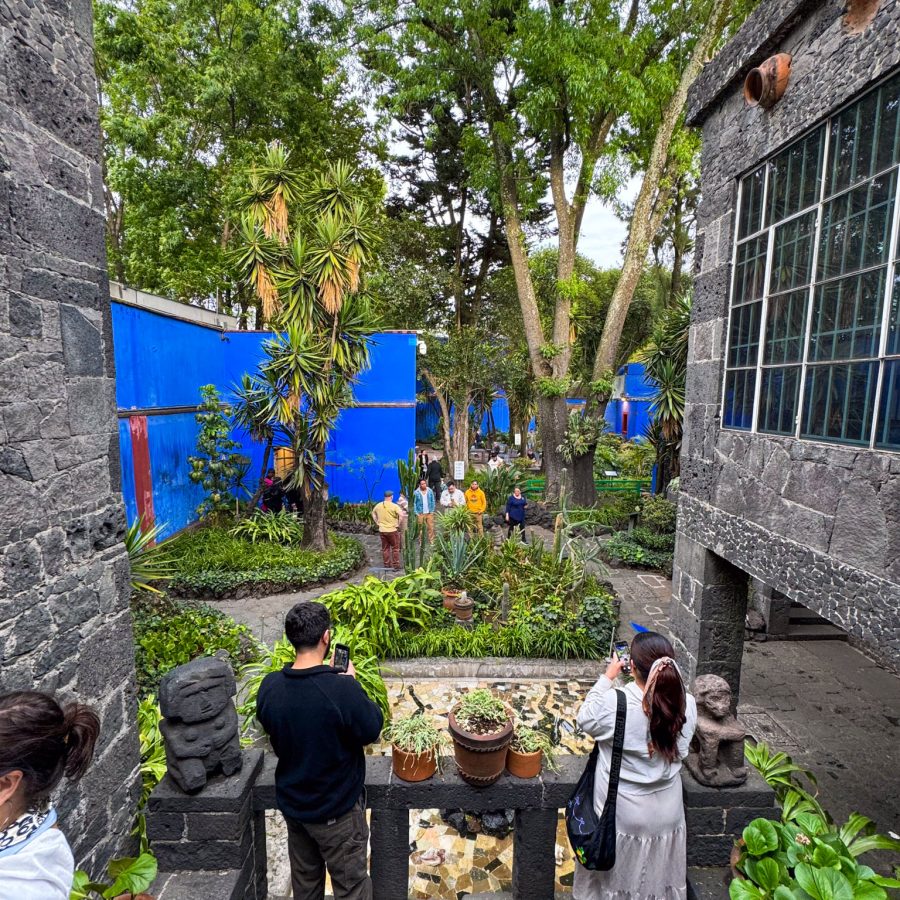
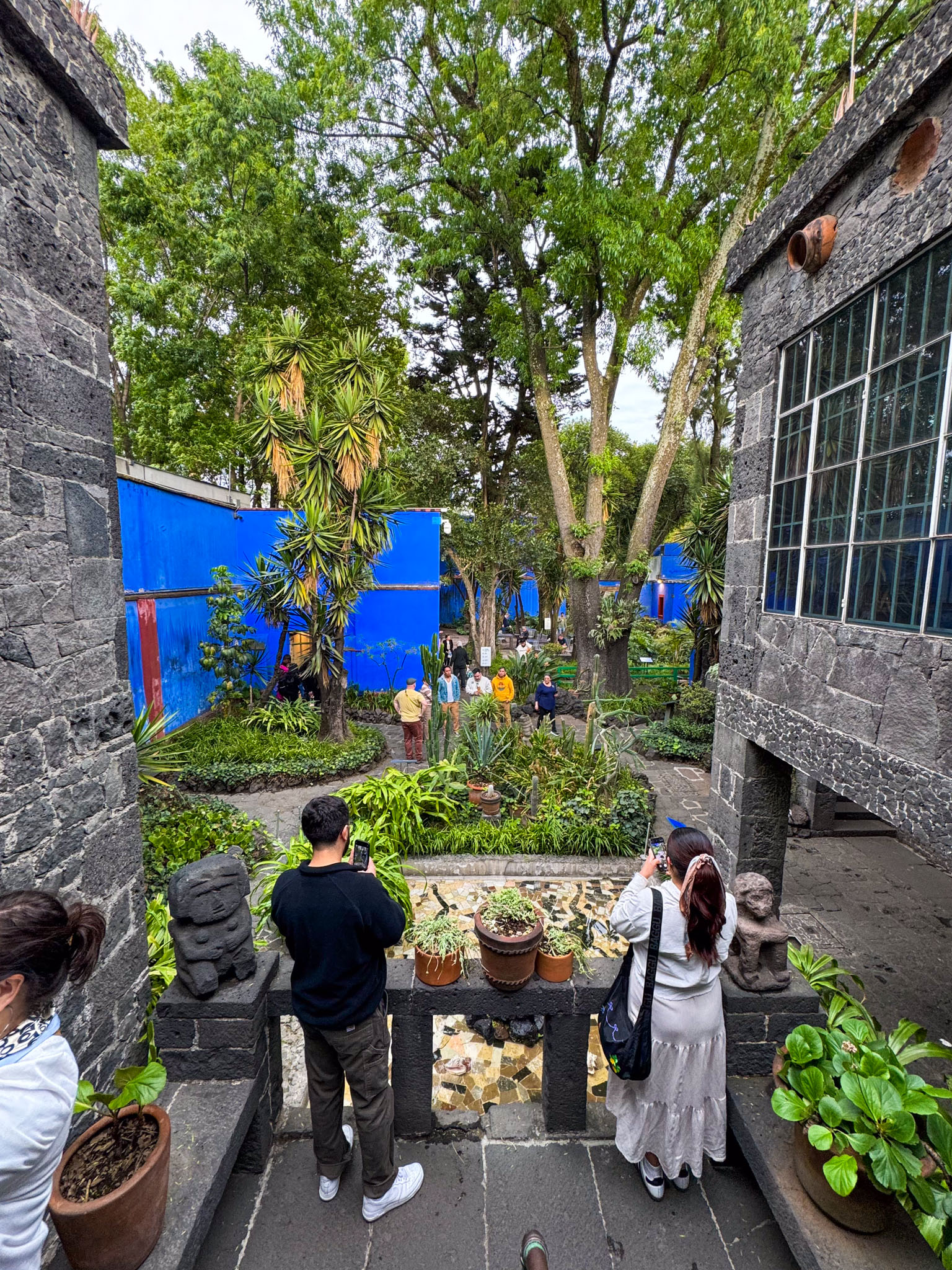
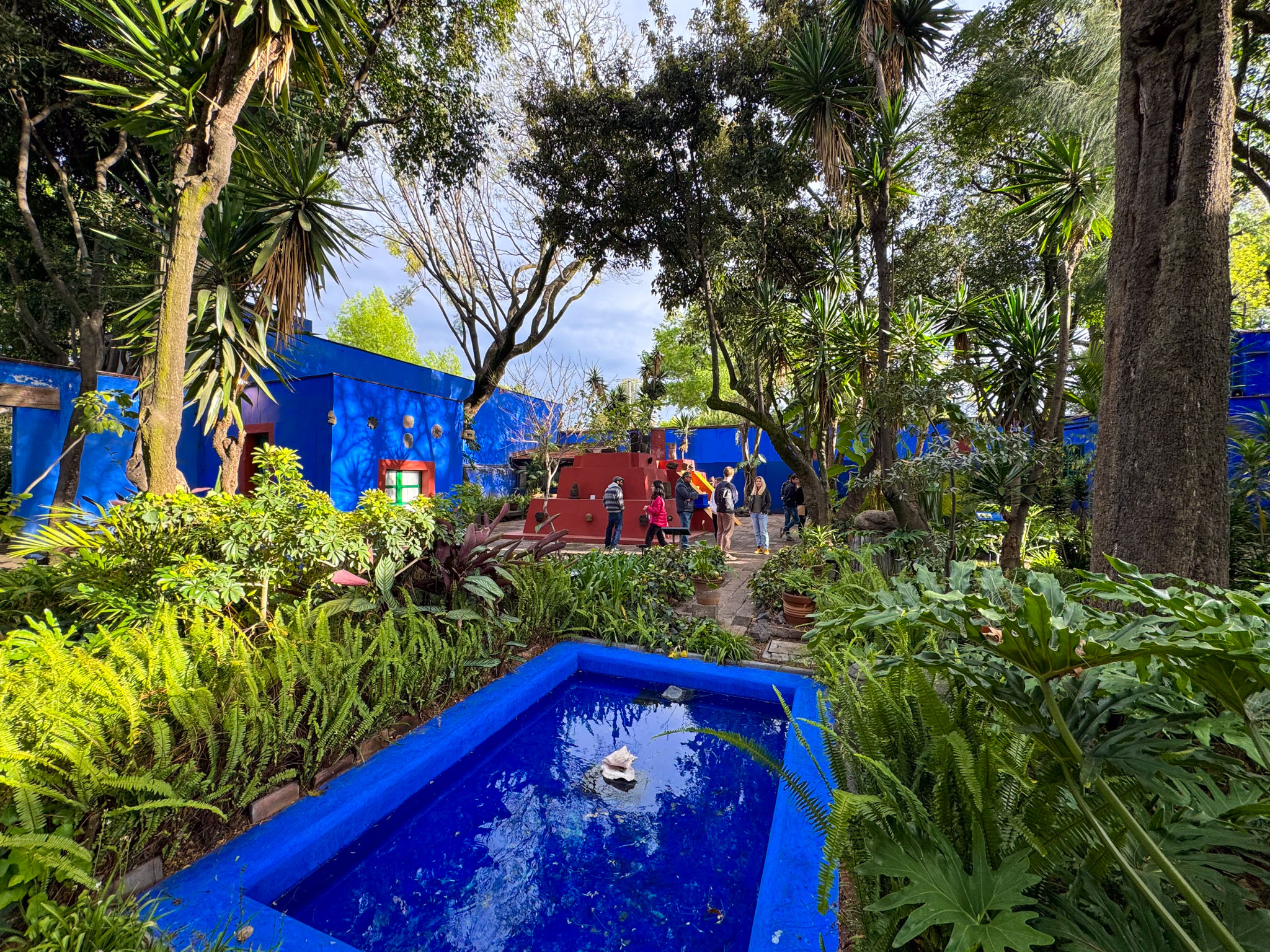
Frida Kahlo Museum – La Casa Azul (https://maps.app.goo.gl/uVxa9xbXcFRguuuc7) is the undisputed highlight of the neighborhood and one of the most intimate and powerful museum experiences in the city. The Casa Azul — “The Blue House” — was Frida Kahlo’s childhood home and the place she returned to throughout her life, including years shared with her husband, the celebrated muralist Diego Rivera. The house is essentially preserved as it was during her lifetime: her personal belongings, her folk art collection, pre-Columbian artifacts she gathered, her wheelchair, her medicine bottles, her studio, and her kitchen are all here. Frida’s ashes rest in a pre-Columbian urn in one of the rooms.
Critical: Tickets sell out months in advance. The moment you commit to visiting CDMX, go directly to https://www.museofridakahlo.org.mx/ and book your entry. This is not an exaggeration — do not wait.
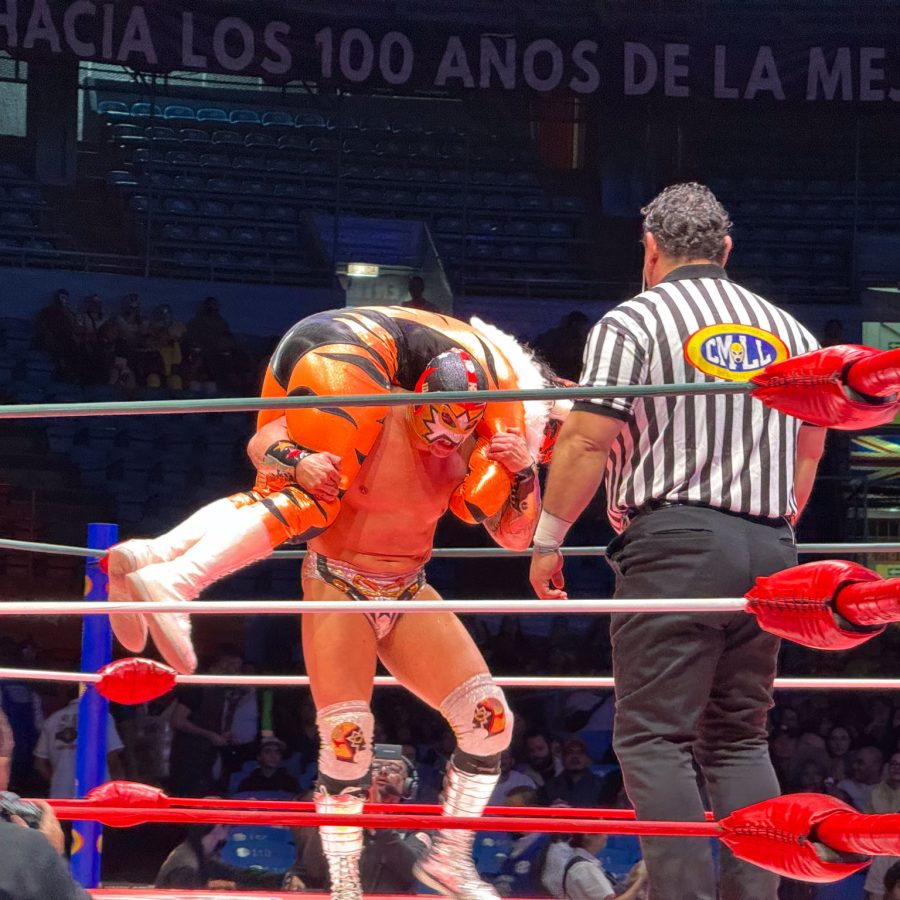
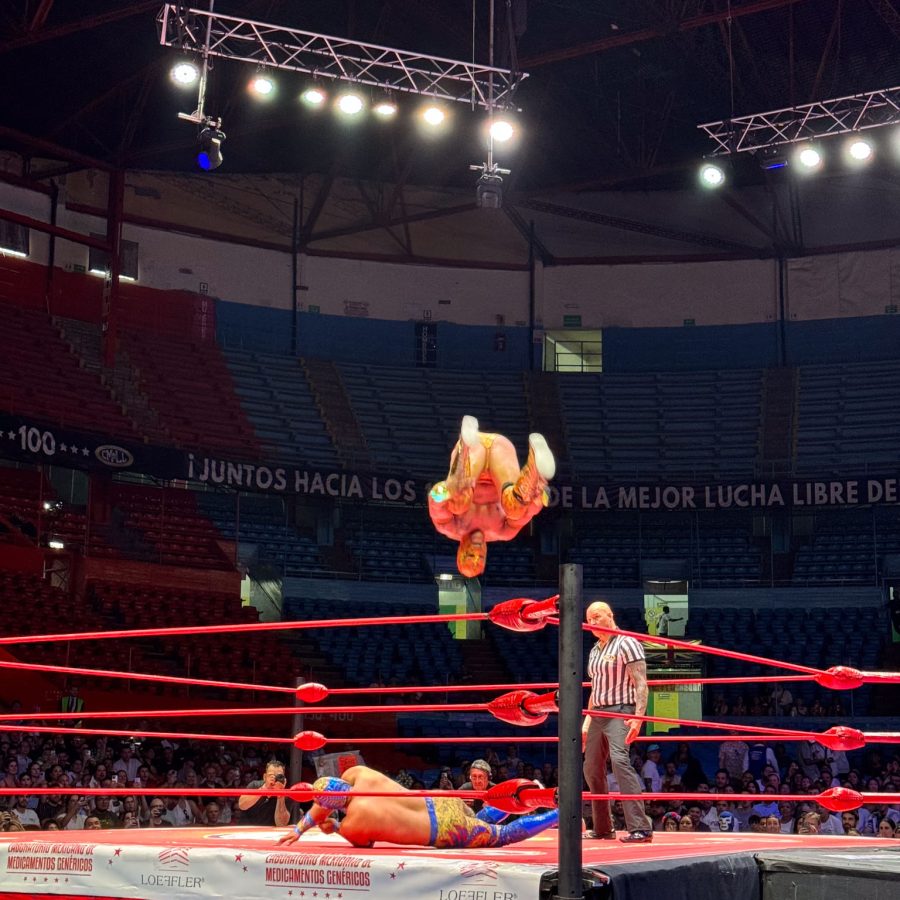
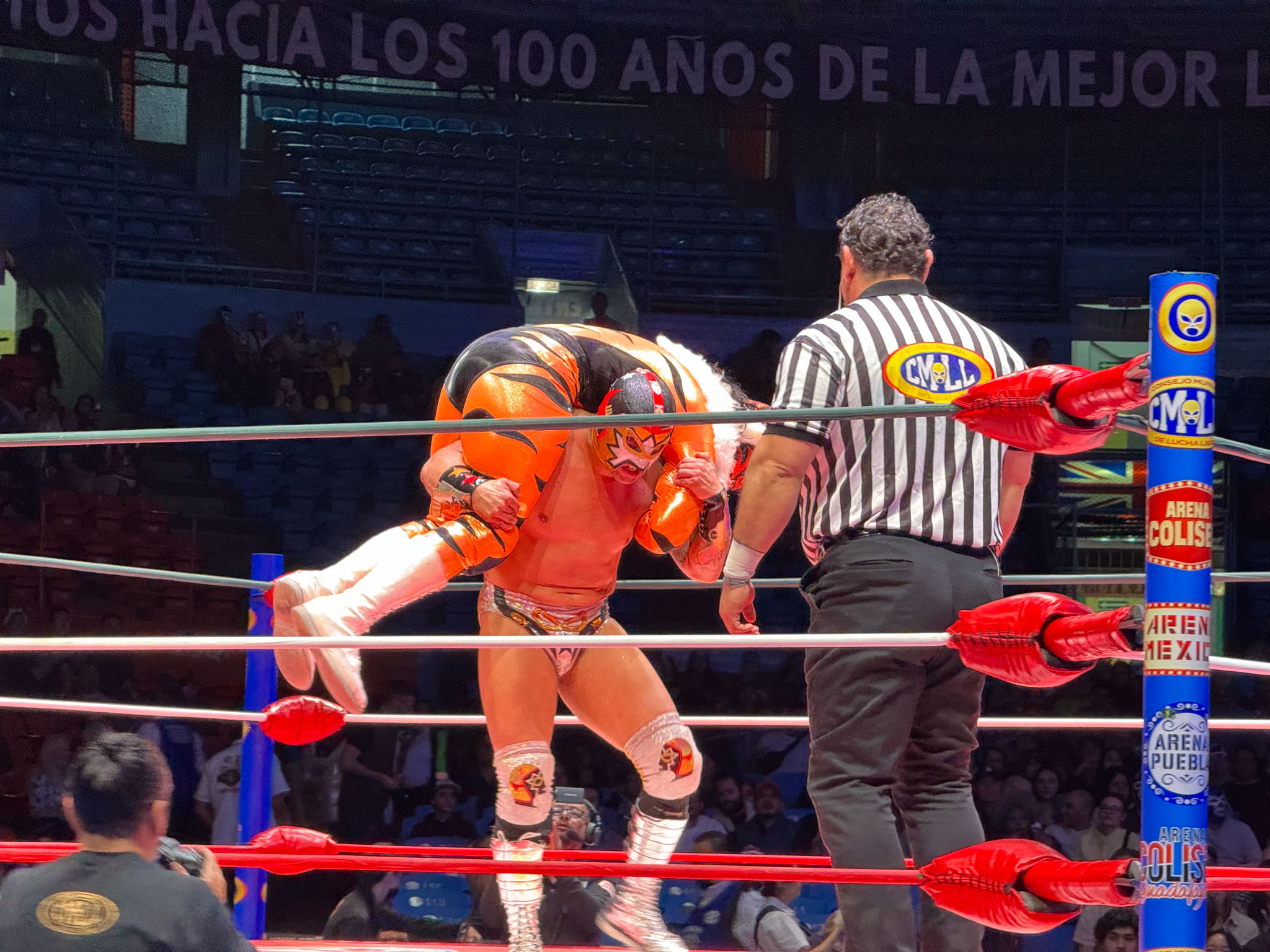
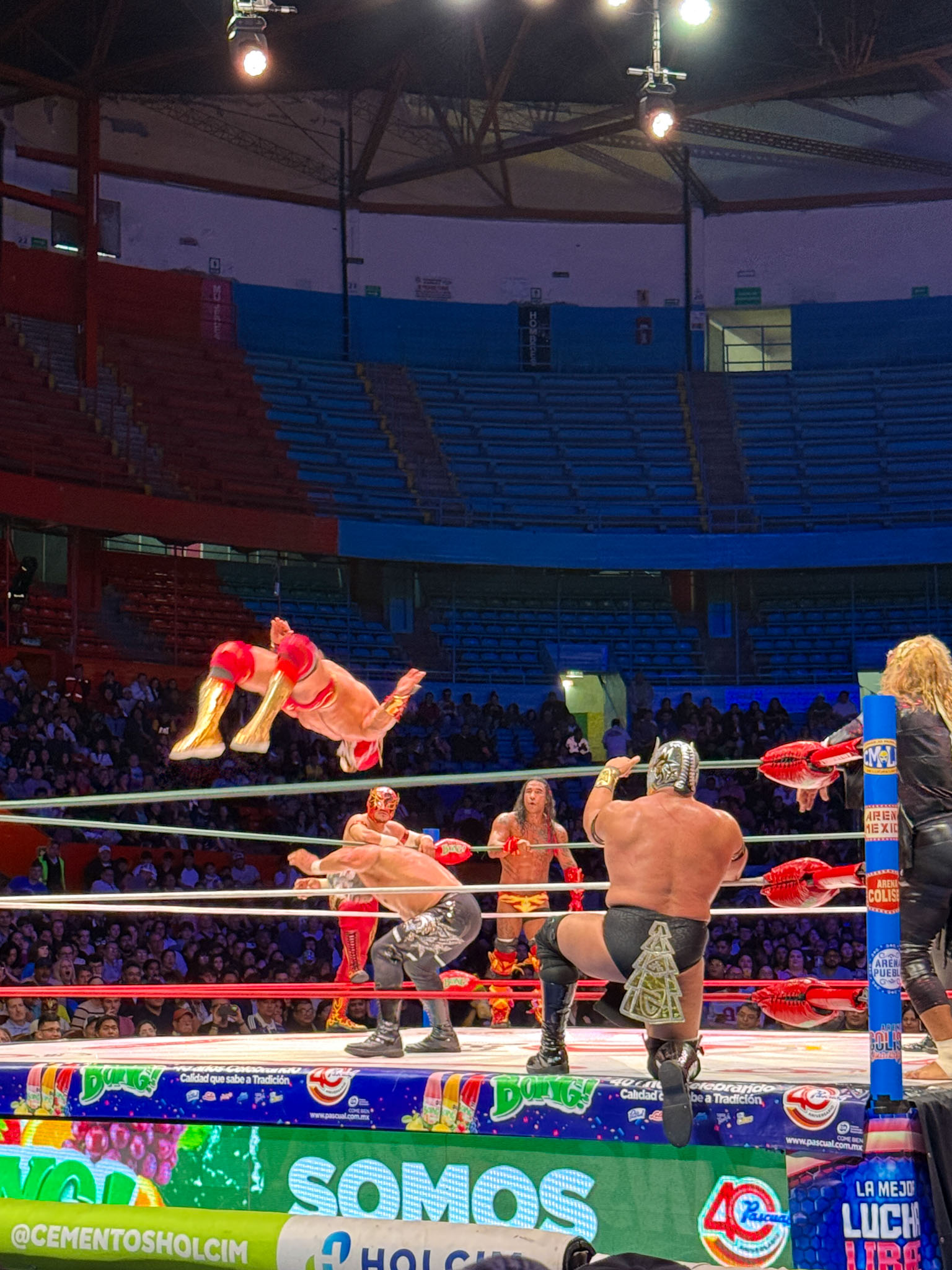
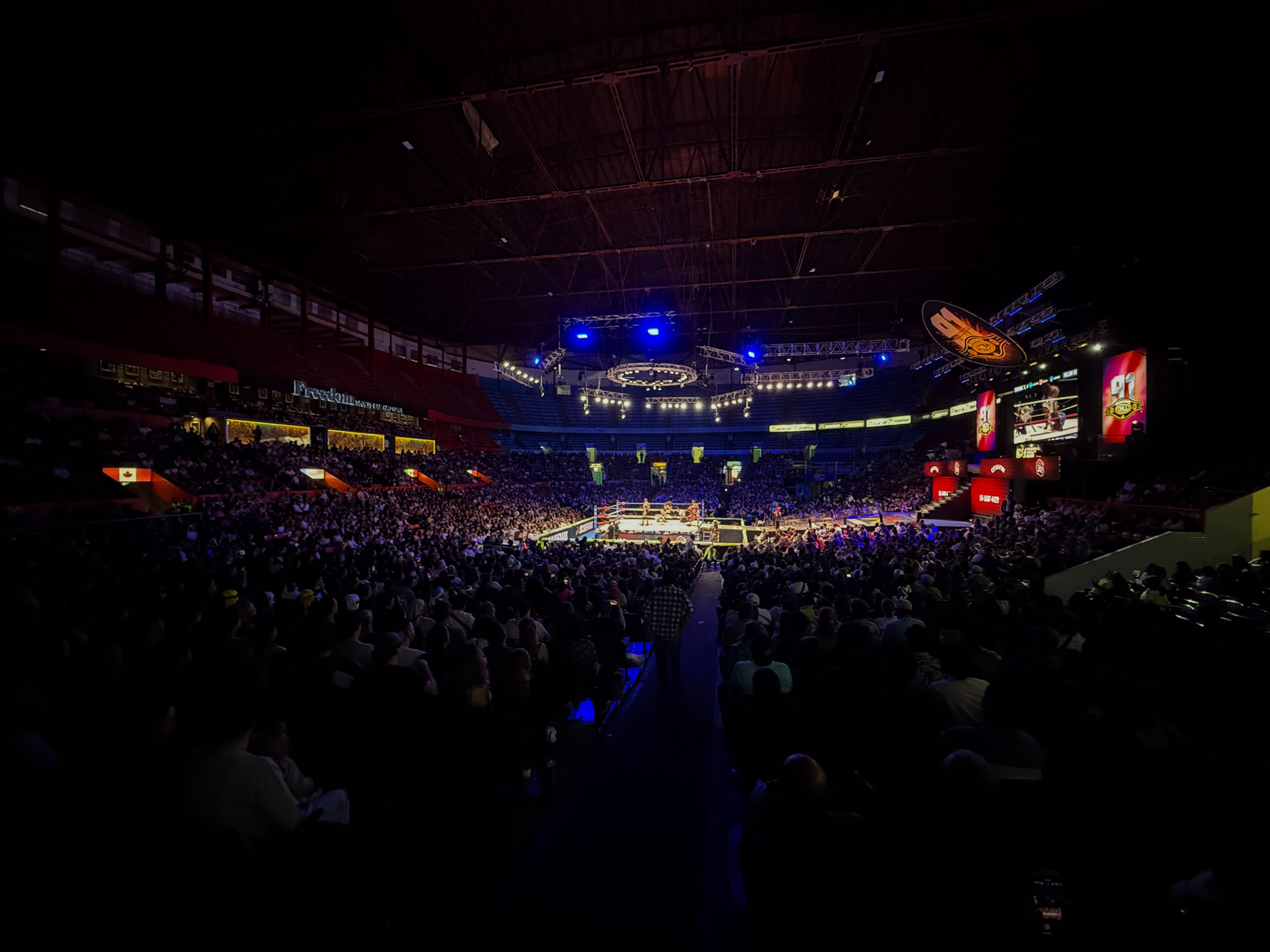
Lucha Libre at Arena México
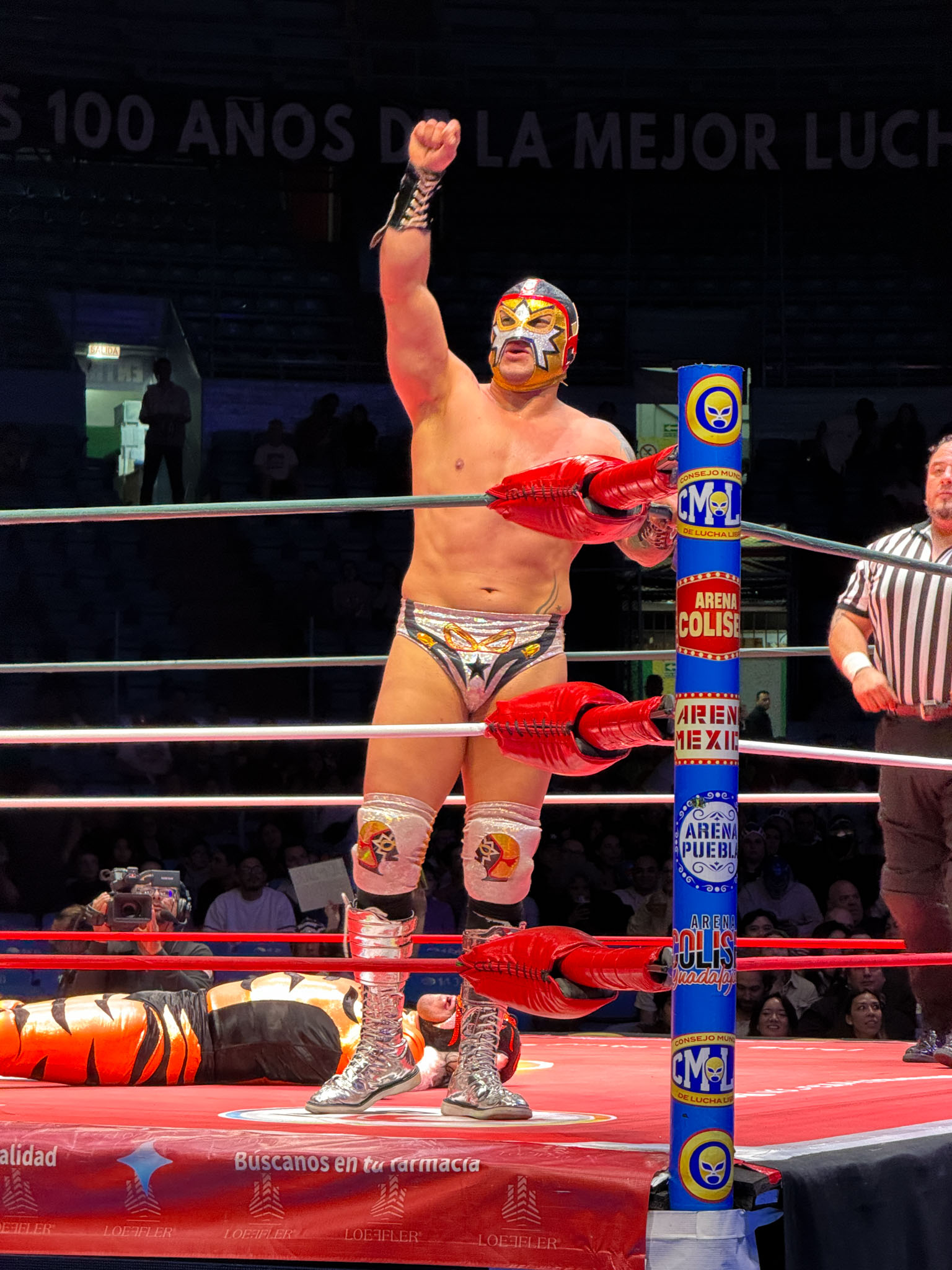
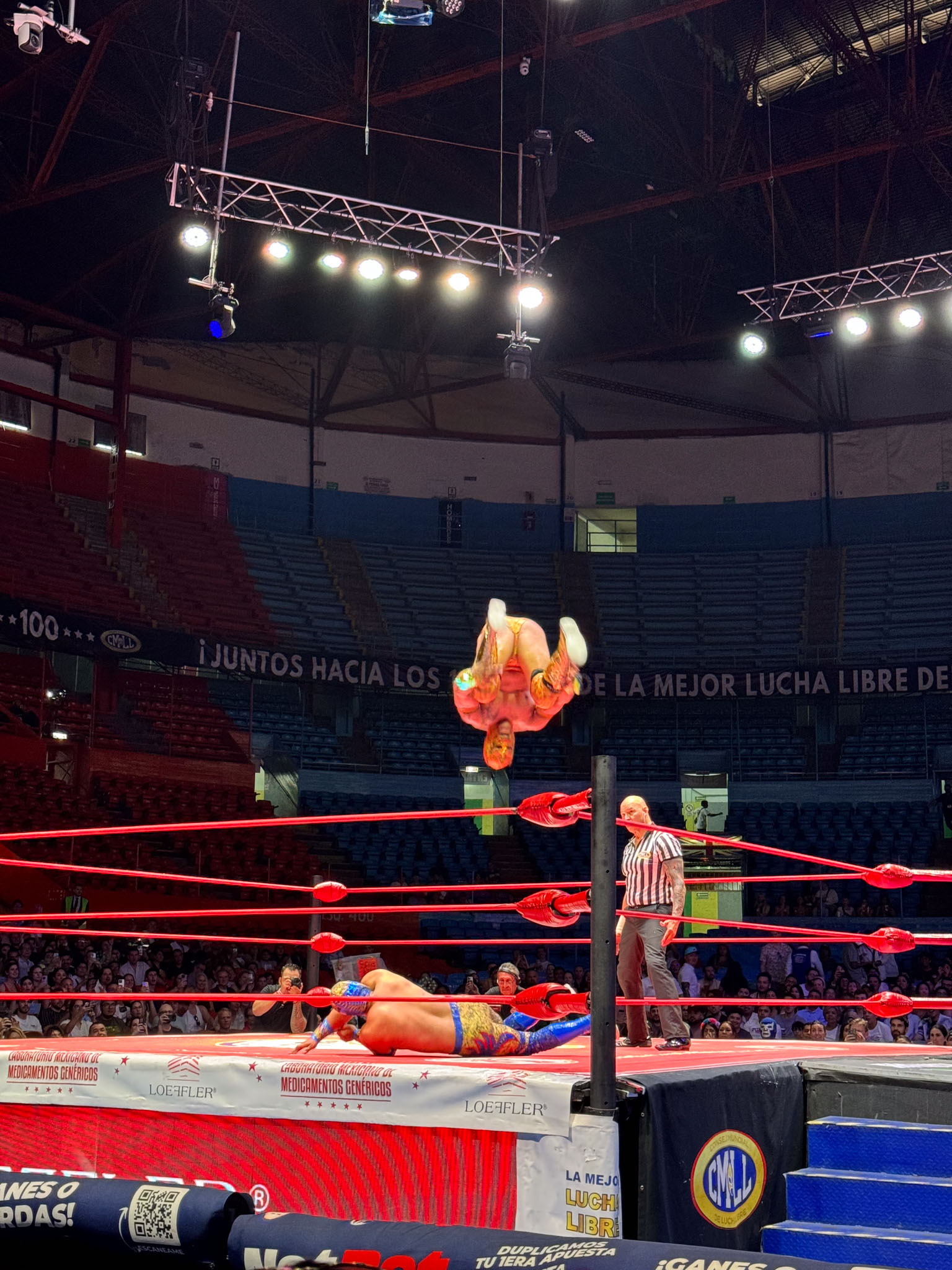
This is required. Do not leave CDMX without going to Lucha Libre.
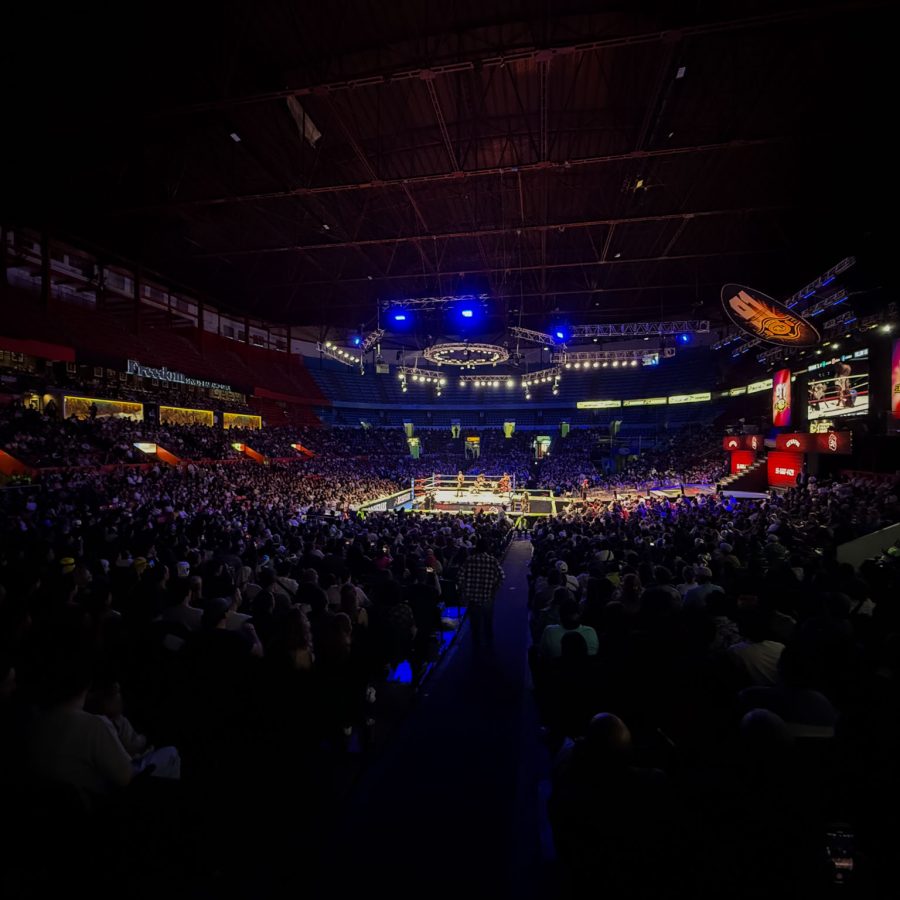
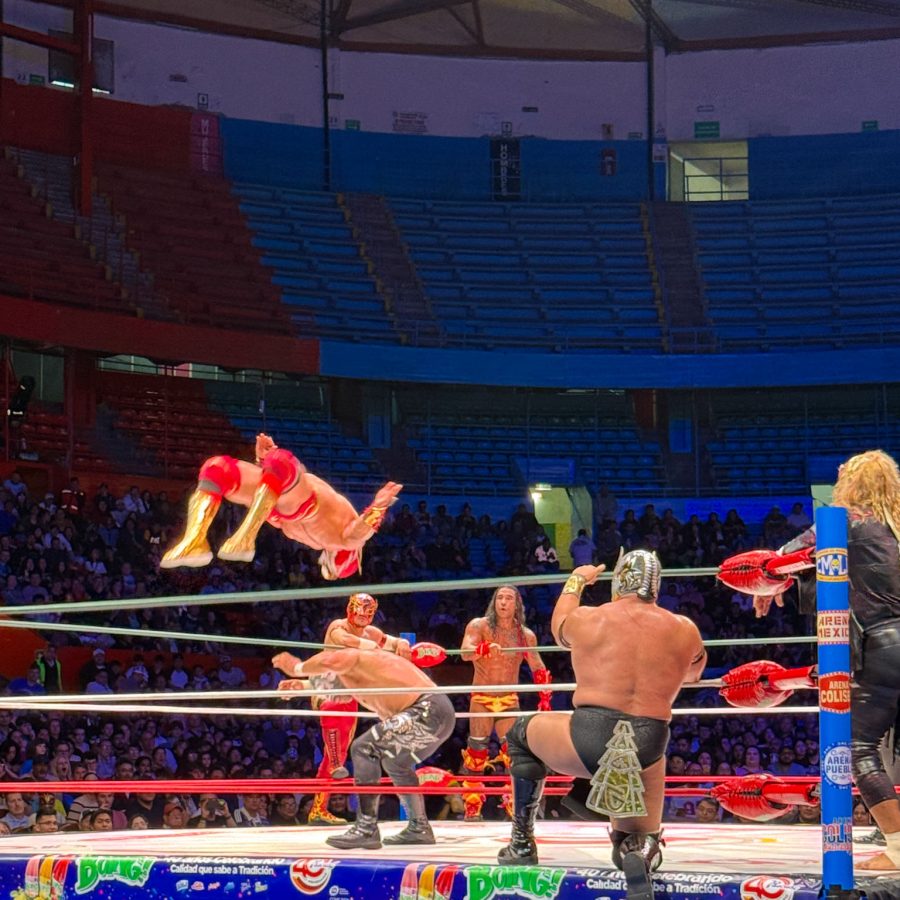
Look specifically for shows at Arena México — it is the legendary home of CMLL and the best venue for the experience by a significant margin. Get there by Uber; it is simple and straightforward.
Seating: Look for seats in the “Ring Verde” section. Within that section, find a corner position as close to the “Escenario” (the stage entrance) as possible. This specific corner gives you a perfect sightline to both the ring and the theatrical entrance ramp where the wrestlers emerge — essential for the full experience.
The crowd: The crowd is half the show. Lucha Libre is theater, and the audience knows and plays its role. Boo the rudos (the heels), cheer the técnicos (the faces), and let yourself get swept up in the noise. Families, grandmothers, rowdy groups of friends — everyone is there together. It is one of the most joyful public experiences Mexico has to offer.
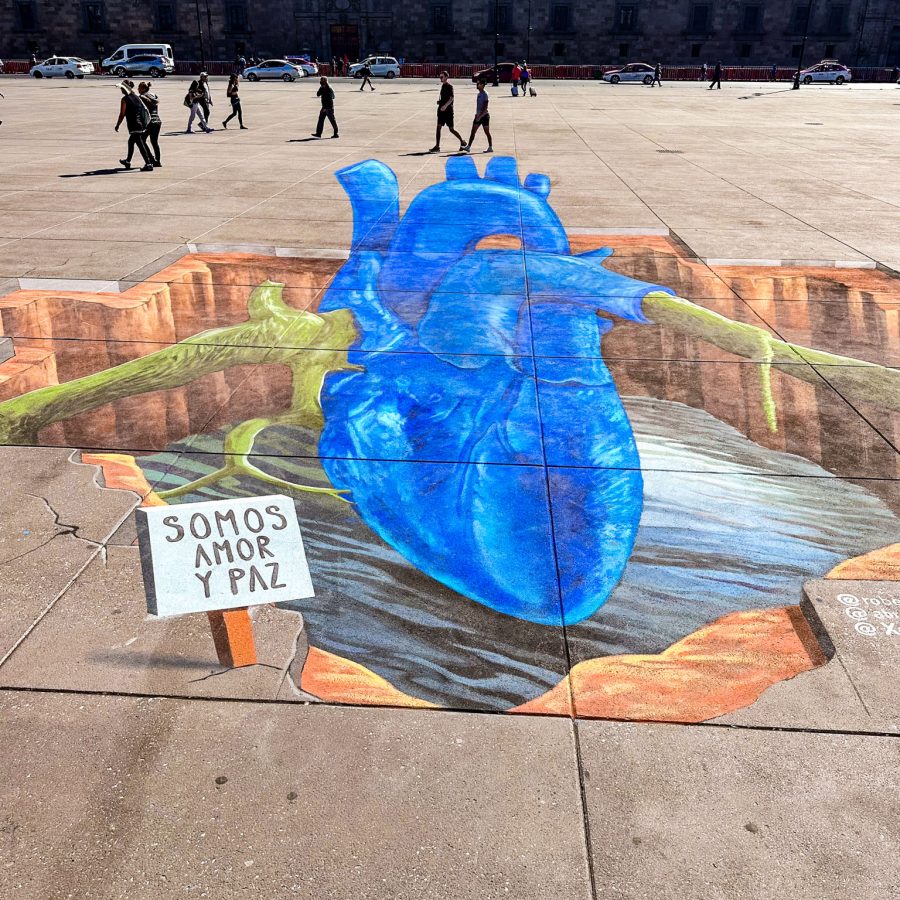
The Zócalo: Constitution Plaza and the Metropolitan Cathedral
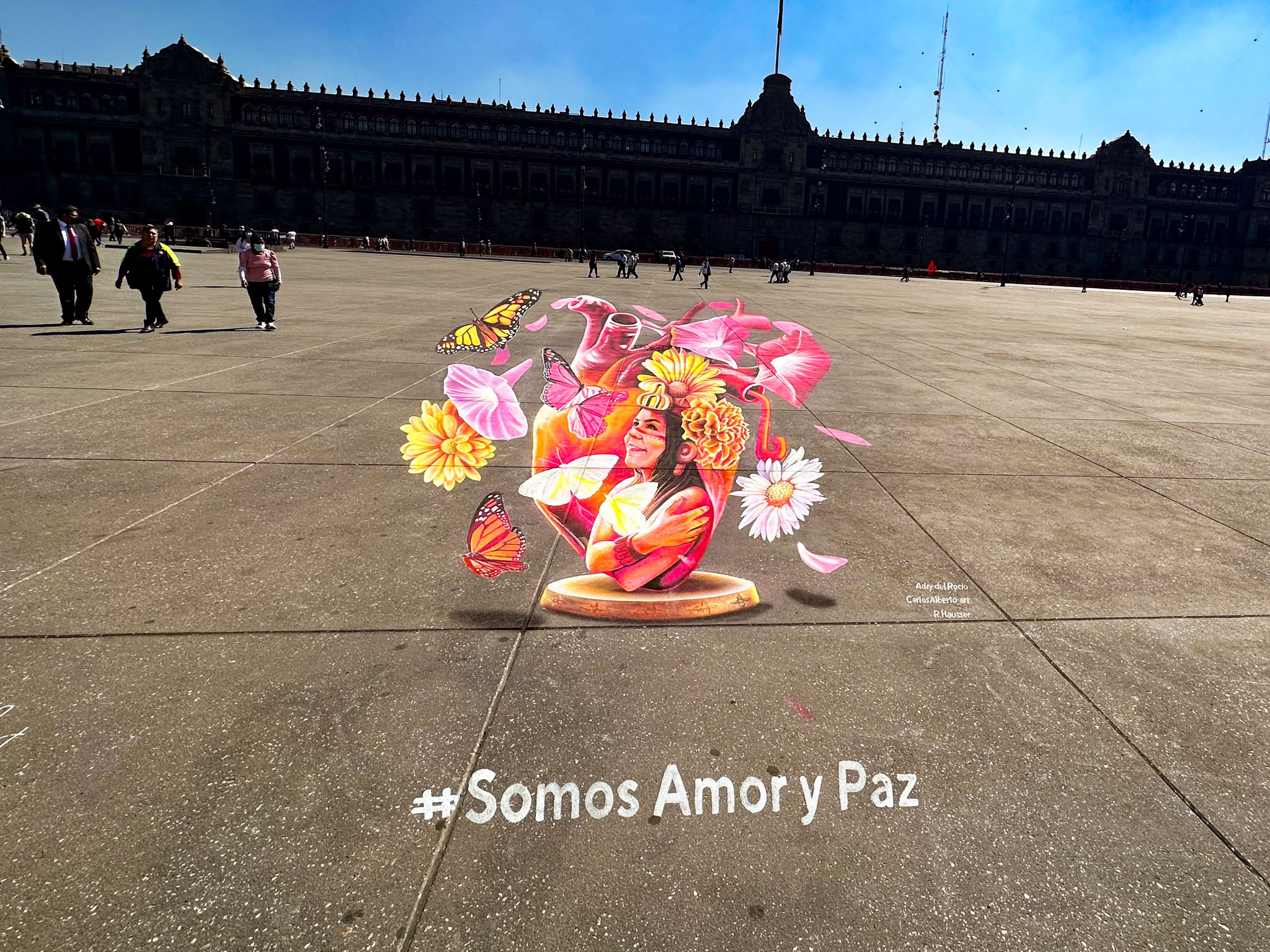
The Zócalo is the historic heart of Mexico City — one of the largest city plazas in the world, and a place where the layers of Mexican civilization are piled literally on top of one another. Beneath and around it lie the ruins of the Aztec capital Tenochtitlan, and the Templo Mayor archaeological site adjacent to the square is worth a visit on its own.
The Mexico City Metropolitan Cathedral dominates the north side of the plaza. It is the oldest and largest cathedral in Latin America, constructed over nearly 250 years from 1573 to 1813. Inside, the architecture moves through Renaissance, Baroque, and Neoclassical styles, each layer a reflection of a different era of the city’s history.
There is a sobering reality about the cathedral worth knowing: it is sinking. Mexico City is built on the drained bed of ancient Lake Texcoco, and the soft clay soil beneath has caused the massive structure to sink and tilt unevenly over the centuries. Instruments inside the cathedral track its ongoing movement. Massive engineering, restoration, and reinforcement efforts have been underway for years — but the visible lean of the building is a humbling reminder of the ground this city is built on. There is a genuine sense that you may be seeing it at a particularly fragile moment in its long history.
The cathedral also houses two of the largest 18th-century pipe organs in the Americas — extraordinary instruments completed in the 1730s that, following decades of disrepair, have been fully restored.
Directly across from the Zócalo is the Palacio de Bellas Artes, a magnificent Art Nouveau and Art Deco building that serves as both a performing arts hall and a museum of Mexican fine arts. The murals inside — including major works by Diego Rivera, José Clemente Orozco, and David Alfaro Siqueiros — are among the most important in the country. Even if you only walk through the lobby, it is worth stopping.
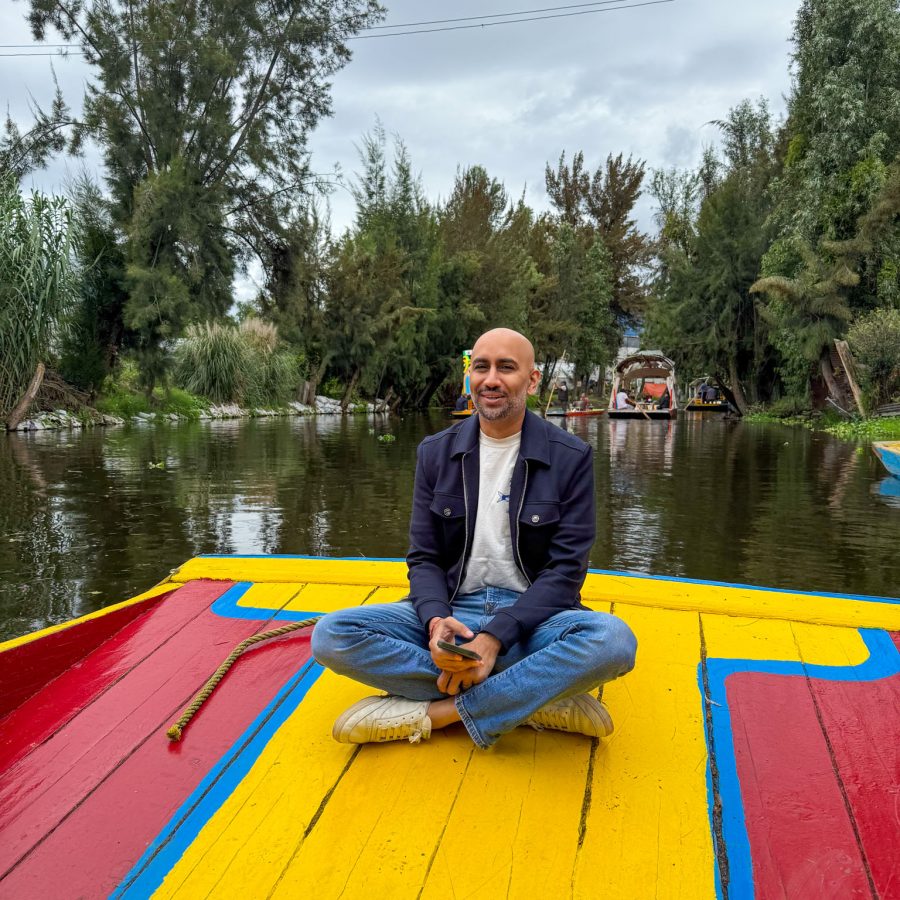
Xochimilco: The Ancient Canals
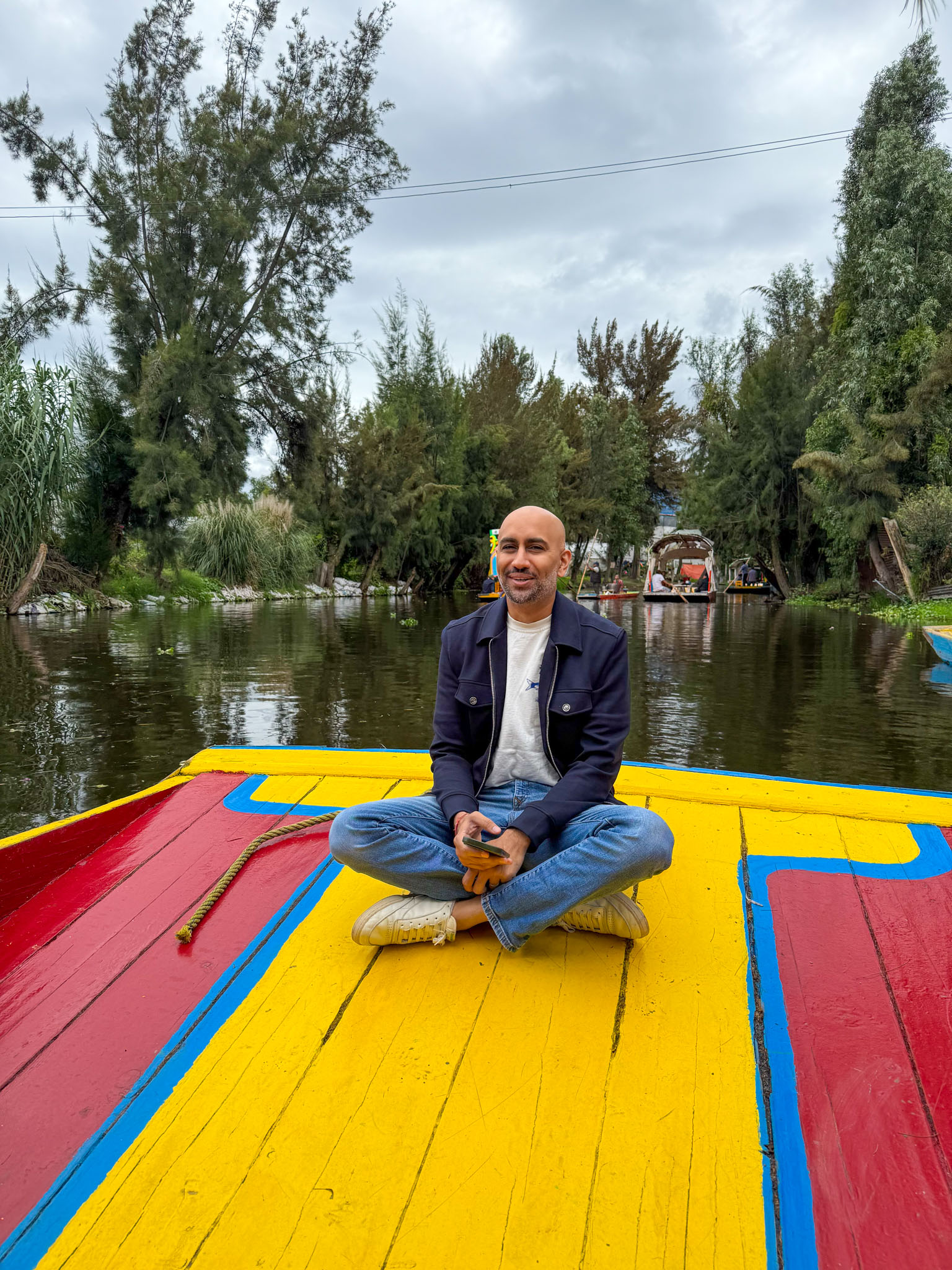
Xochimilco is one of the most singular experiences Mexico City offers — a network of ancient canals that are a direct remnant of the Aztec-era lake system upon which Tenochtitlan was built. Here, you rent a flat-bottomed boat called a trajinera and spend a few hours floating through a world entirely unlike the rest of the city: painted boats, flower stalls, and the slow rhythm of the water.
On your way through the town, you will encounter people trying to pull you toward unofficial boat rentals or lead you into unclear areas. Ignore them and stick to the official embarkation points linked above — the boats and pricing are regulated, and the experience will be considerably better.
Once you are on the water, other trajineras will pull up alongside yours offering different services: handicraft vendors, musicians playing traditional songs, and more. It is festive, colorful, and genuinely unique to this corner of the world.
Day Trip: Teotihuacán
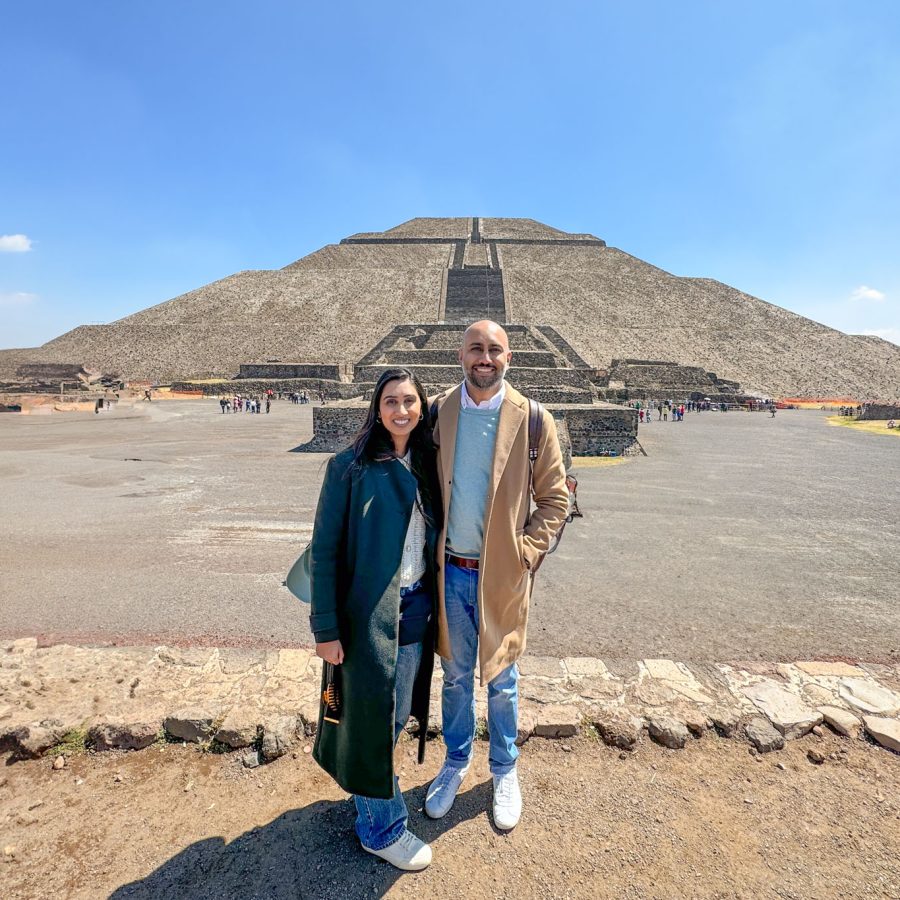
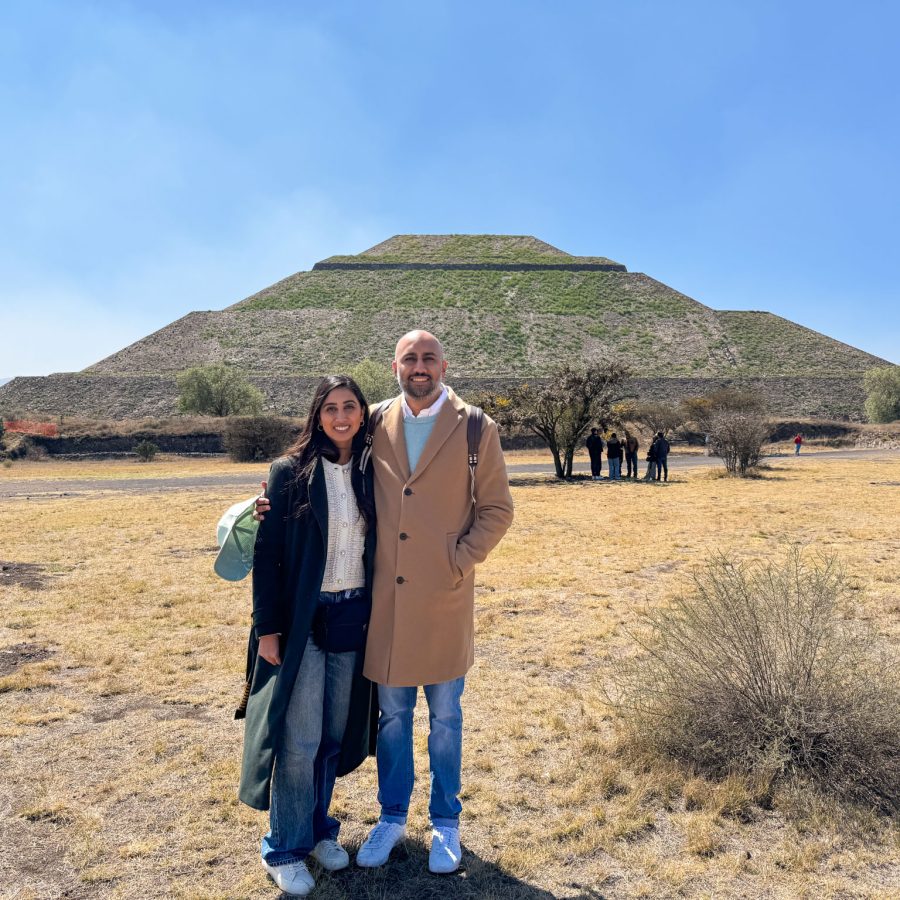
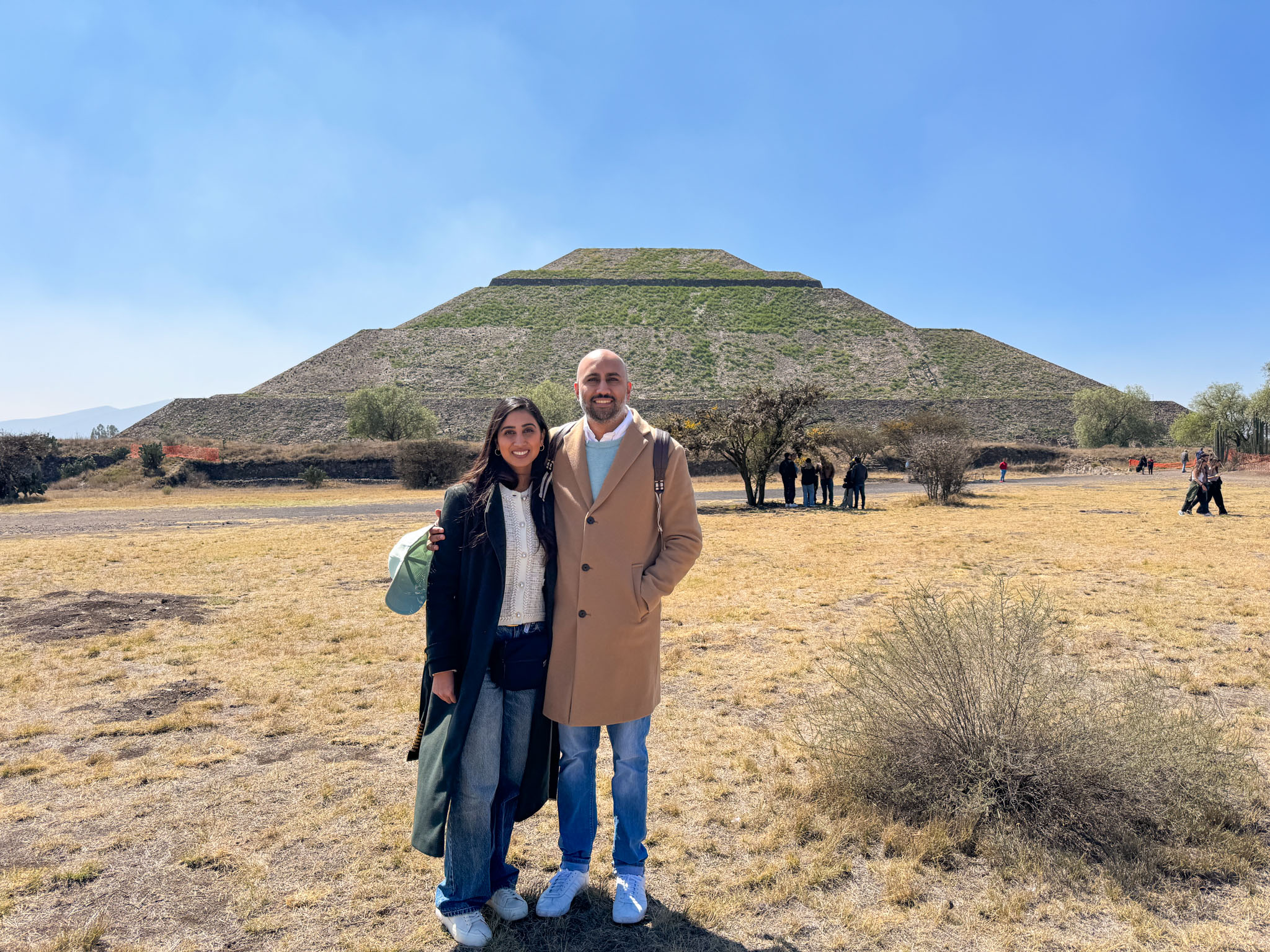
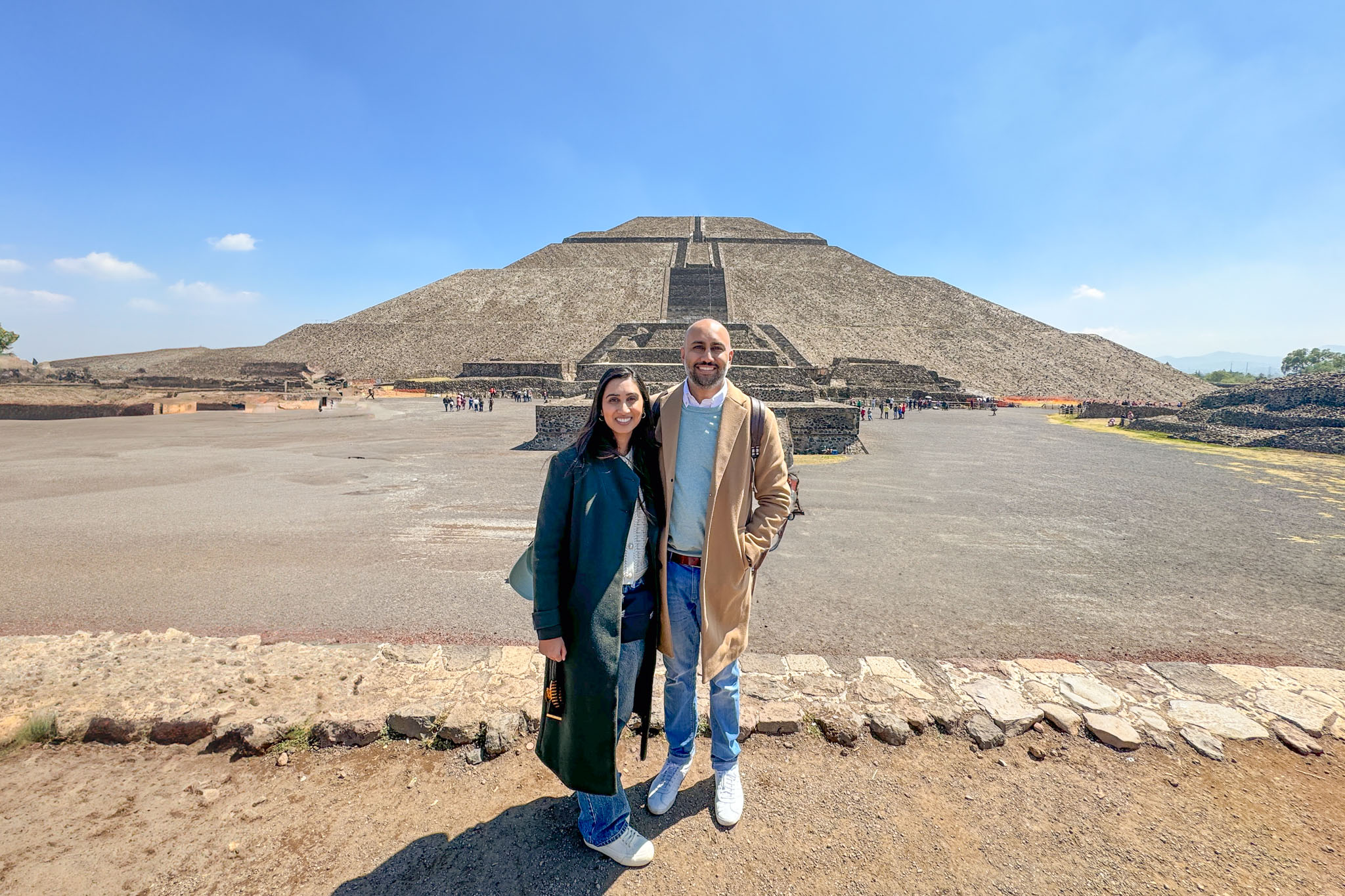
The ancient city of Teotihuacán is about an hour outside of CDMX and is among the most impressive archaeological sites in the Western Hemisphere. At its peak, sometime around 450 CE, it may have been the largest city in the world. Walking the Avenue of the Dead with the Pyramid of the Sun rising ahead of you is one of those sights that stops you in your tracks.
Make this an early morning trip — the site gets hot and crowded quickly.
Getting there: Uber to the site area in the morning. Hailing an Uber directly to the entrance can sometimes be difficult. If needed, locals may point you toward a local shared van — the stop is roughly in this area: https://maps.app.goo.gl/tGzXbepfoNfT1PSX9. It is a very local experience (a small packed van rather than a formal bus), and quite an adventure in itself.
Entrance #4 (https://maps.app.goo.gl/hwD84FCgeYPsHfdP9) is the entrance to aim for — it puts you immediately adjacent to the Pyramid of the Sun, the largest structure on the site.
From there, walk the Avenue of the Dead toward the Pyramid of the Moon (https://maps.app.goo.gl/Dey4KaKahgeALGnCA). Climb what you can on both. The scale of the site only becomes clear from elevation — you are looking out across what was once one of the great cities of the ancient world.
Finish your tour at the area of the Jaguar Temple, where the main exit is also located.
Getting back: Securing an Uber from Teotihuacán back to the city can take a while — plan ahead and build extra time into your return.
Practical Tips for Getting Around
Uber works everywhere. It is reliable, safe, and removes any stress around navigation or fare negotiation. Use it as your default mode of transport throughout the city.
Go early to everything. CDMX is warm, the major sites are popular, and the hours before 10am are consistently cooler, quieter, and more atmospheric at virtually every location in this guide.
Altitude is real. Stay hydrated throughout your trip, take your first day easier than you think you need to, and don’t be surprised if climbing a flight of stairs winds you in a way it normally wouldn’t.
Book the Frida Kahlo Museum immediately. Not soon. Immediately. The moment you decide you are going to CDMX.
CDMX is too large and too layered to fully absorb on a single visit. But see the things in this guide and you will come home with something real — not a postcard version of Mexico, but a genuine feel for one of the world’s truly great cities.
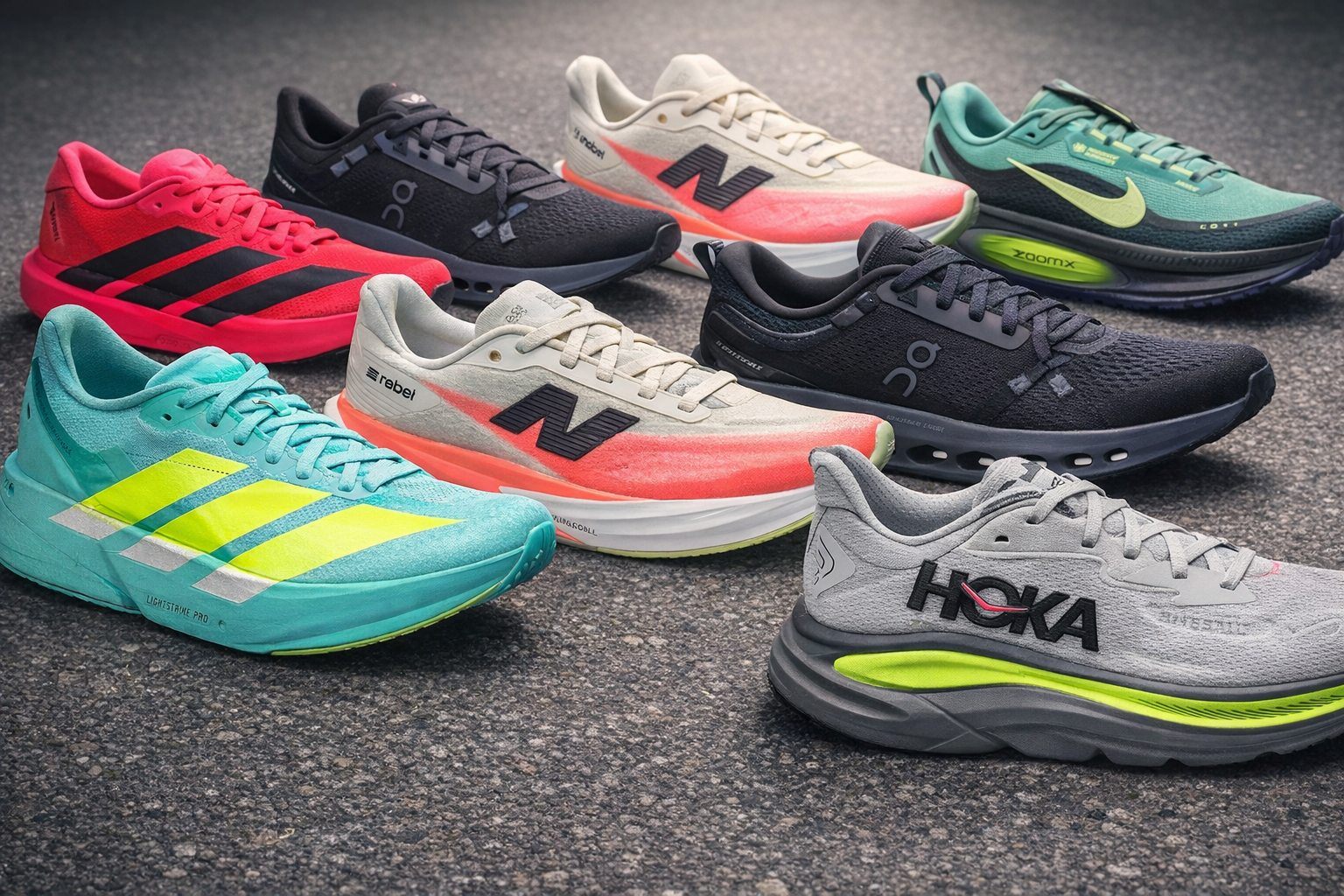
Over the past several months, I’ve built out a running shoe rotation that spans recovery runs, daily training, workouts, trail runs, and race day. Some of these shoes have thousands of steps in them; others are newer additions. Together, they tell a pretty clear story about what works for my body — and, just as importantly, what doesn’t.
This isn’t a lab-based review. It’s a real-world look at how these shoes feel, how they perform over time, and how they interact with fatigue, form, and injury risk.
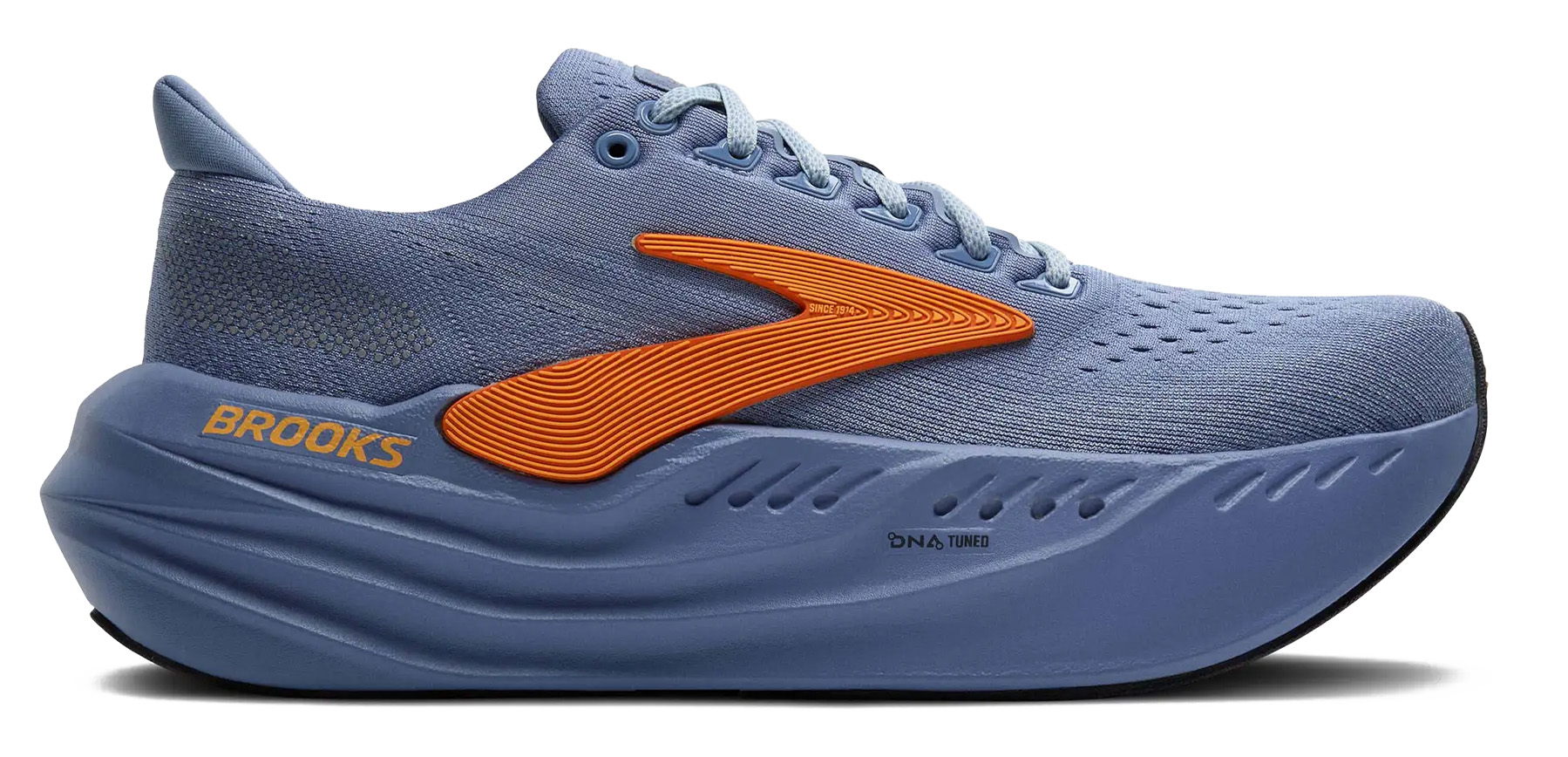
Brooks Glycerin Max — Recovery First, Speed Last
Weight: 10.9 oz / 309 g
Heel: 47 mm
Forefoot: 41 mm
Drop: 6 mm
The Brooks Glycerin Max is my go-to shoe for easy and recovery runs. It’s not fast, it’s not light, and it doesn’t try to be either.
The fit is excellent, especially the upper. While many modern shoes go for a thin, sock-like construction, the Glycerin Max has a more traditional, structured, well-cushioned upper, which gives me noticeably better support. The stack is tall, the ride is soft, and the platform feels stable.
The tradeoff is weight. This shoe feels heavy, and it doesn’t give much sensation of drop, which often pushes me into a sluggish, plodding pace. It’s a shoe that encourages restraint, not turnover.
I don’t yet have direct IT band feedback from this shoe, but based on its stability and geometry, I don’t see it being problematic. The biggest positives are softness, support, and stability. The biggest downsides are the bulk, weight, and frankly, the aesthetics — it’s a large, visually loud shoe.
This is a great option for runners with very strong legs, core, and glutes who want a true recovery shoe that absorbs impact and keeps things controlled.
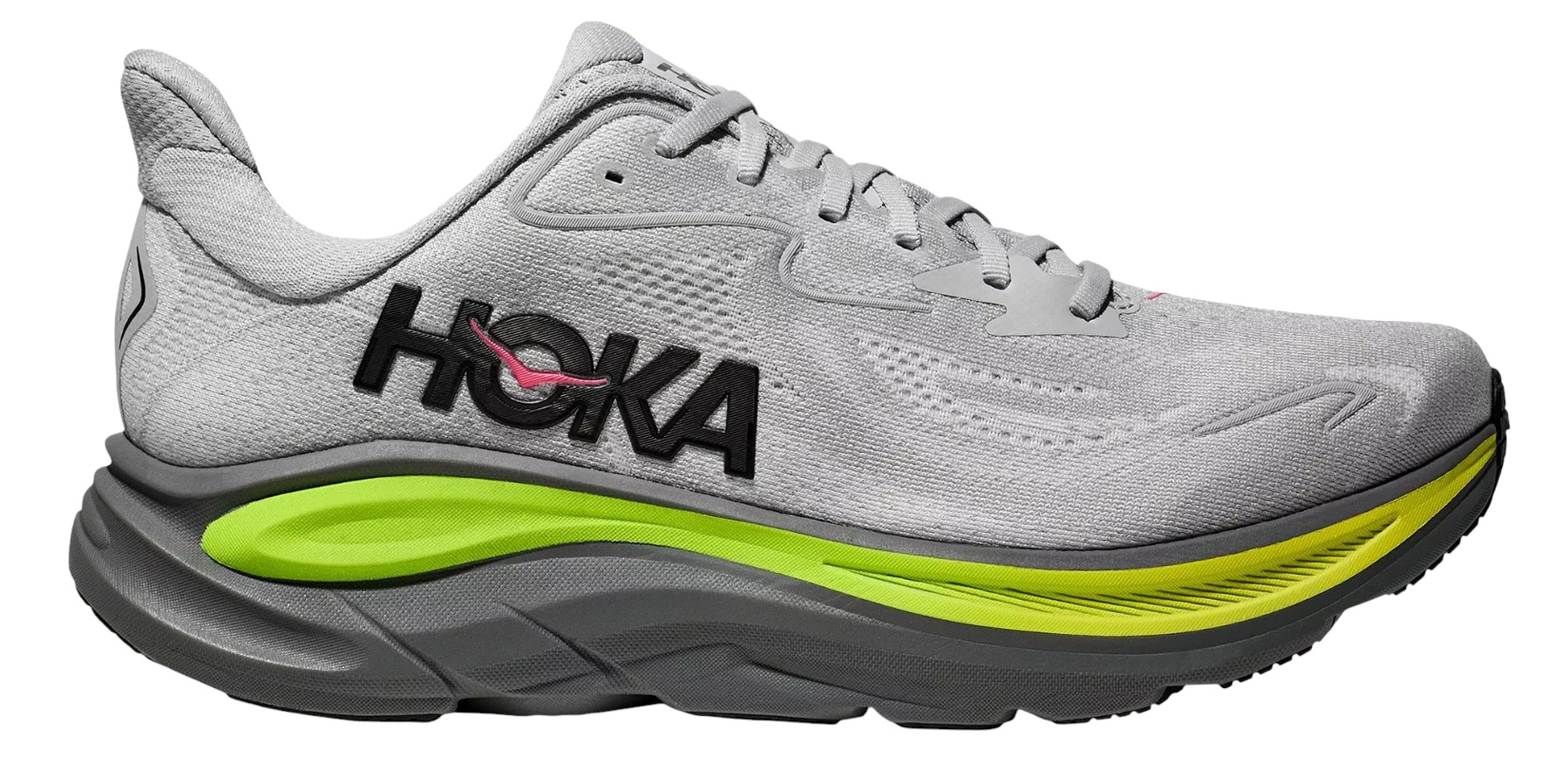
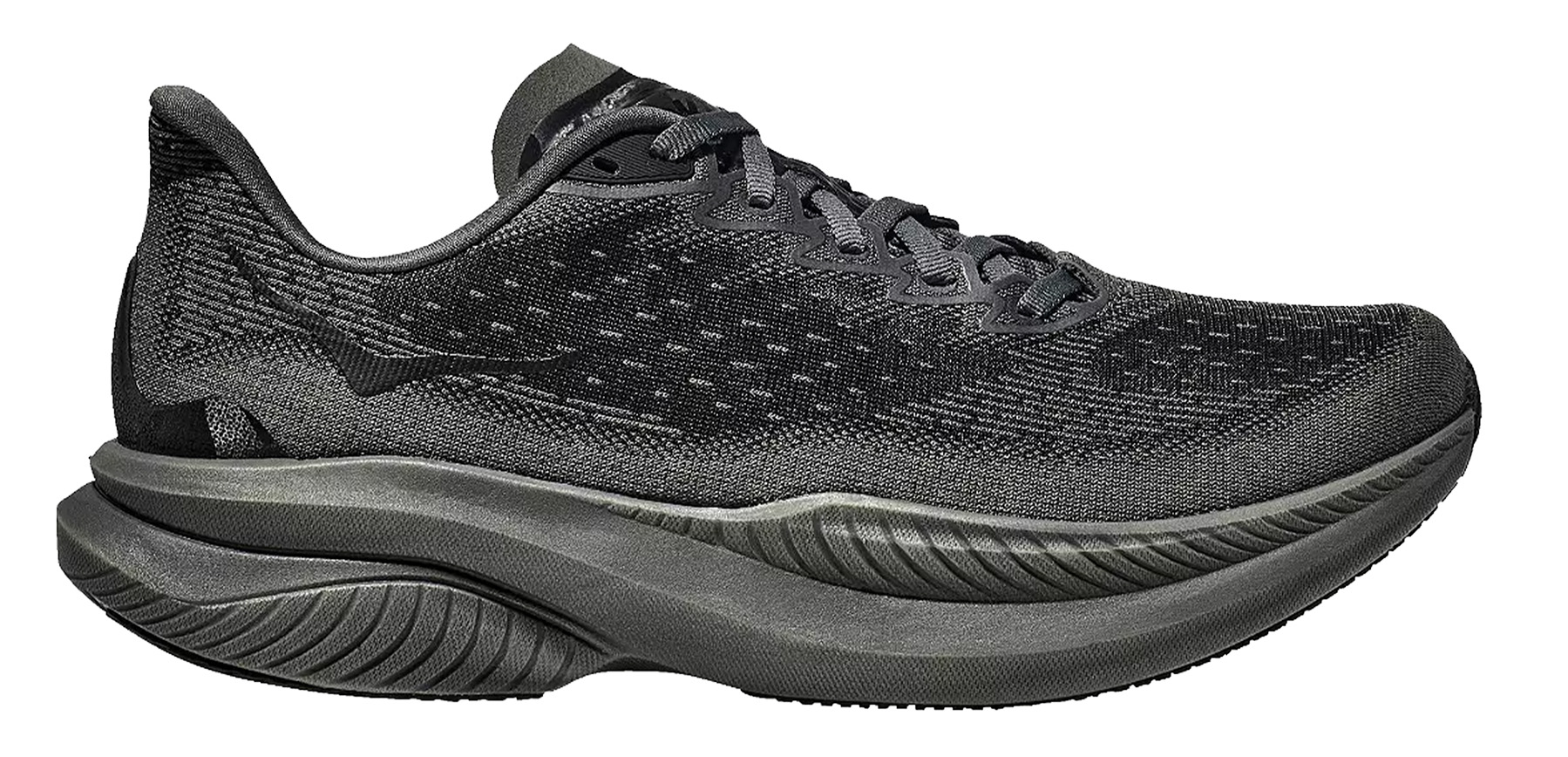
HOKA Clifton 10 — Firm but Soft, and Very Stable
Weight: 9.8 oz / 277 g
Heel: 38 mm
Forefoot: 30 mm
Drop: 8 mm
The HOKA Clifton 10 is one of my newest shoes, and it naturally invites comparison to the Glycerin Max. Both are cushioned daily trainers, but the Clifton feels more controlled and more grounded.
The upper is firmer than most running shoes, and the heel counter is especially firm while still being well cushioned, which adds a lot of confidence. The lower stack height, reduced midsole wobble, and lower center of gravity make this shoe feel more stable overall.
The ride is best described as “firm but soft.” There’s plenty of cushioning, but it doesn’t feel mushy or unstable. It feels like a shoe that works with you, not under you.
As with most HOKAs, the shoe is not particularly attractive, and it still feels like a lot of shoe on foot. That said, the rugged outsole makes it capable of light trail use, which adds versatility.
If you want a max-cushion shoe that feels more controlled than most, the Clifton 10 hits a nice balance.
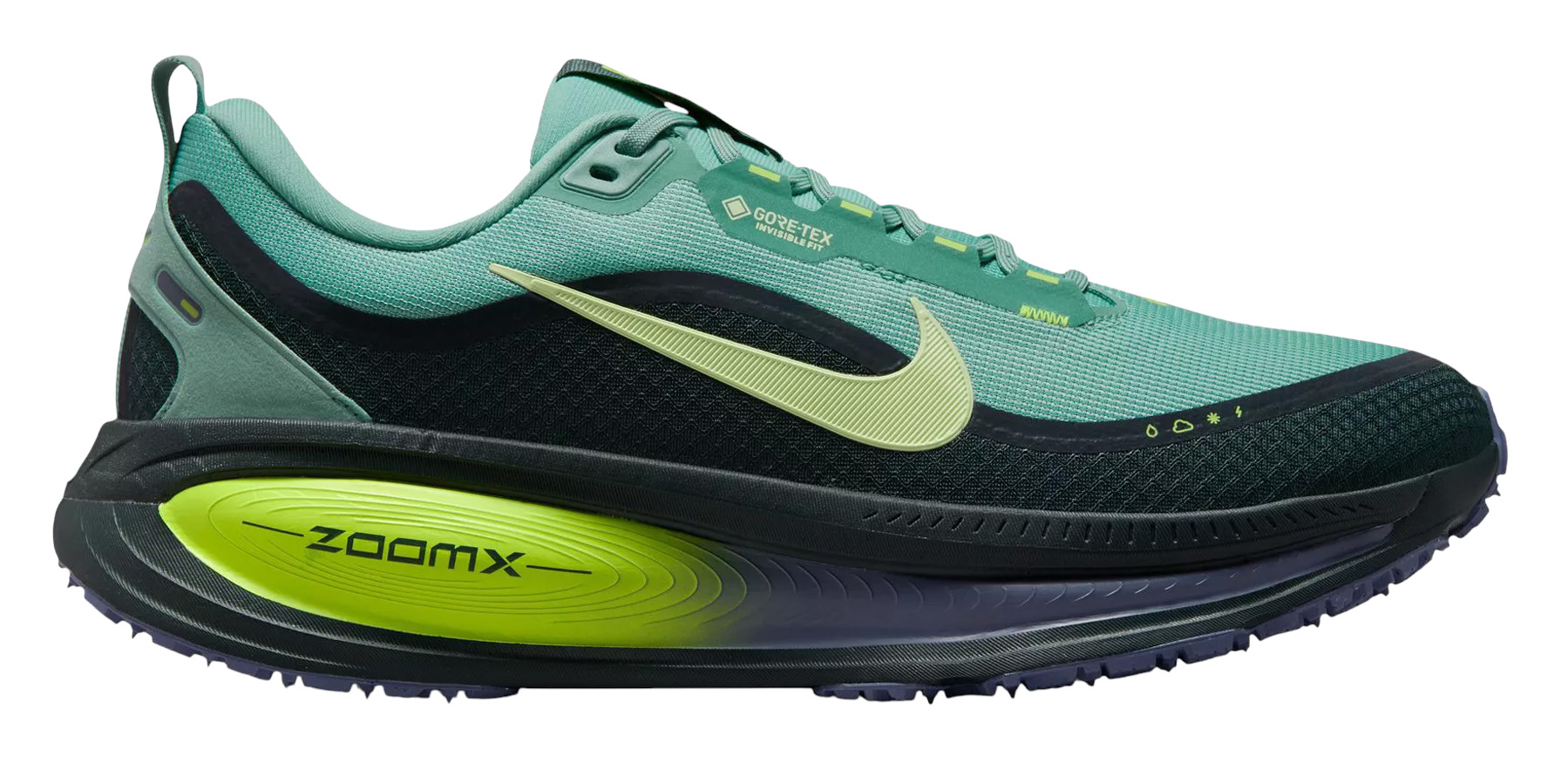
Nike Vomero 18 GORE-TEX — Ultimate Stability in Bad Conditions
Weight: 10.9 oz / 309 g
Heel: 44 mm
Forefoot: 34 mm
Drop: 10 mm
The Nike Vomero 18 GORE-TEX fills a very specific role in my rotation. This is my shoe for trail runs, wet runs, cold weather, and especially “test” runs when I’m coming off inflammation or injury.
The fit runs a bit tight. The GORE-TEX upper is very firm and fully waterproof, which means it also retains heat far more than breathable road shoes. That makes it ideal for cold, rainy, or snowy conditions, but less enjoyable in mild weather.
The ride is again firm but soft, with excellent midsole cushioning and a high-traction, rugged outsole that feels extremely planted. The upper is the firmest of any shoe I own, which contributes heavily to its sense of stability.
The biggest positive is support and confidence. The biggest drawback is the tight fit and heat retention, though those can be advantages in the right conditions.
This is not an everyday shoe — it’s a purpose-built stability and weather tool, and it excels at that job.
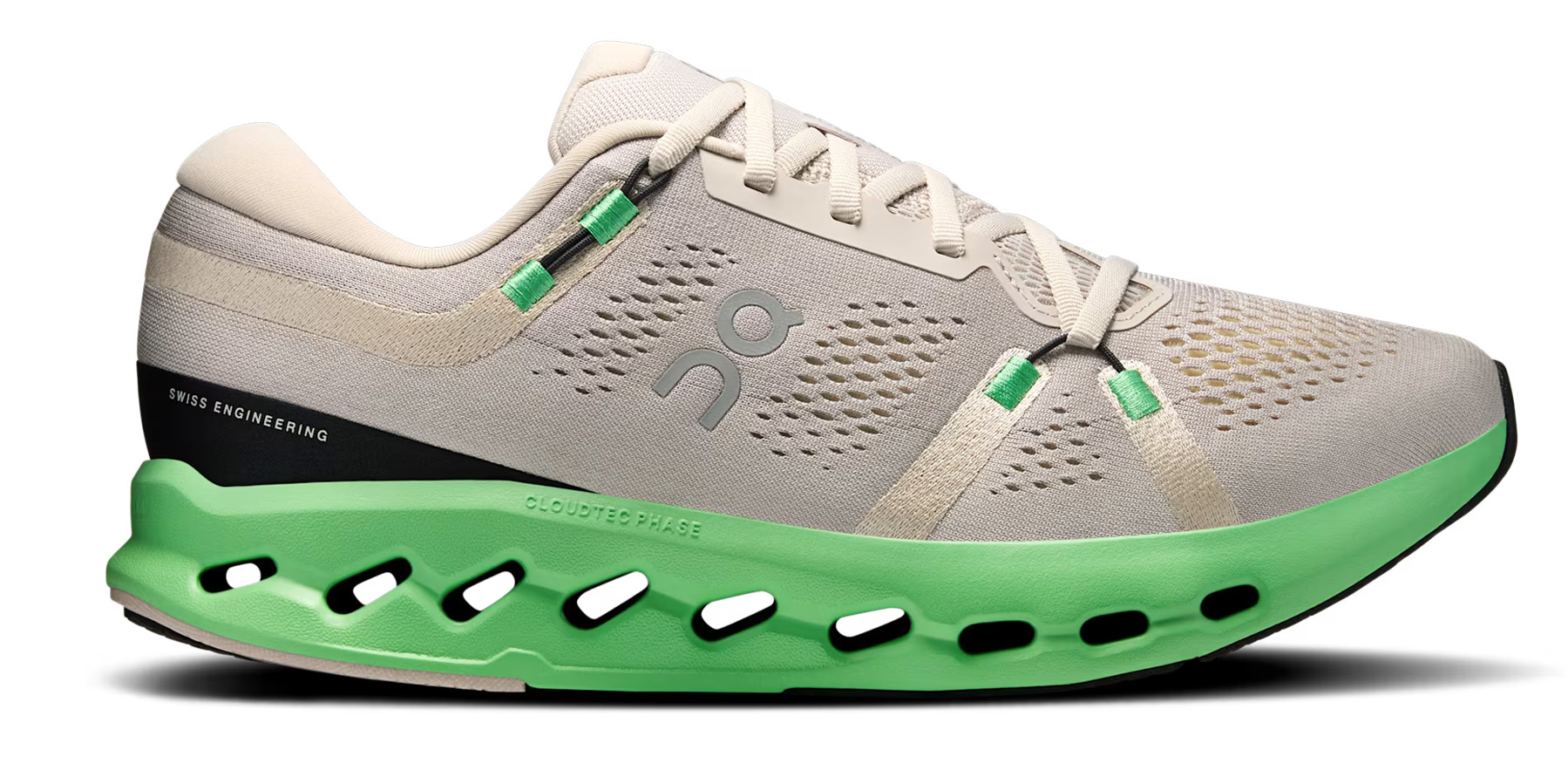
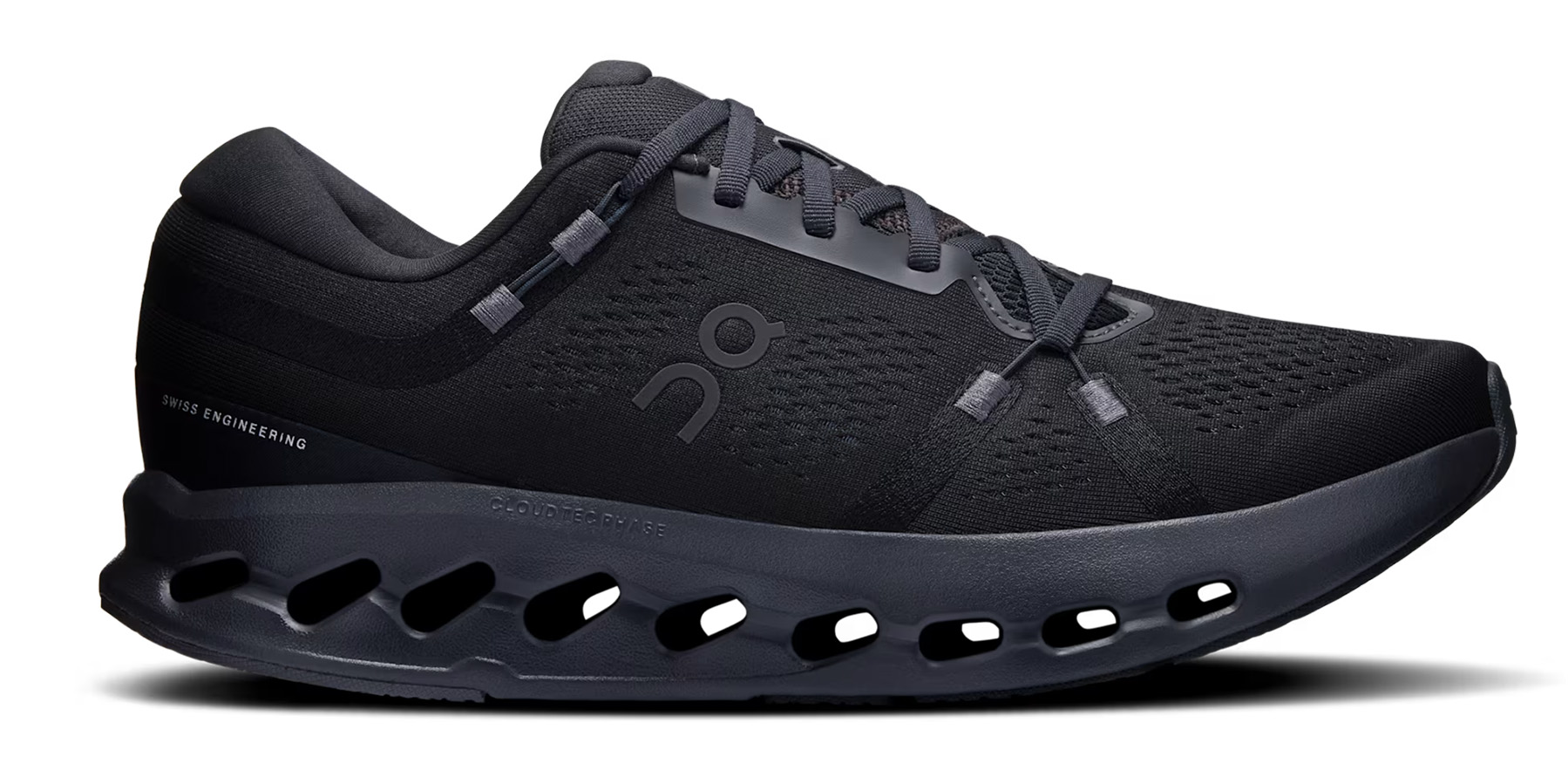
On Cloudsurfer 2 — Travel Perfection and Natural Ride
Weight: 9.2 oz / 261 g
Heel: 32 mm
Forefoot: 23 mm
Drop: 9 mm
The On Cloudsurfer 2 is one of my favorite shoes in my entire rotation, especially for travel. It’s one of the few shoes that genuinely works as both a runner and a casual daily shoe, which means no need to pack two pairs.
In my opinion, On makes the best-looking running shoes on the market, and the Cloudsurfer 2 is no exception.
The upper is very soft and comfortable, but not very supportive. Combined with a slightly wider toe box, there’s a bit more foot movement than I’d ideally want. The shoe also has one of the most aggressive drops in my rotation, but the lower stack height keeps it from feeling unstable.
The ride is soft, easy, and natural, with more road feel than most modern trainers. That connection to the ground makes it feel intuitive rather than forced.
This was one of my earliest shoes, and I liked it enough to buy two pairs. The only real drawback is the soft upper and slight foot shift.
HOKA Mach 6 — The Ultimate Middle-of-the-Aisle Shoe
Weight: 8.2 oz / 232 g
Heel: 37mm
Forefoot: 32 mm
Drop: 5 mm
The HOKA Mach 6 was my very first true running shoe. It’s not exciting, and like most HOKAs, it’s pretty ugly — but it works.
The upper is lower, softer, and more sock-like, which can introduce some wobble. The midsole is very soft, and there isn’t much outsole to speak of. Despite that, this shoe has protected my joints for months of training.
The ride encourages a smooth roll toward the forefoot, with a high heel stack that provides a soft landing under fatigue.
This is a true “middle-of-the-aisle” shoe — fit, feel, and ride all land squarely in the middle. Almost any runner could be happy in this shoe, which is its biggest strength.
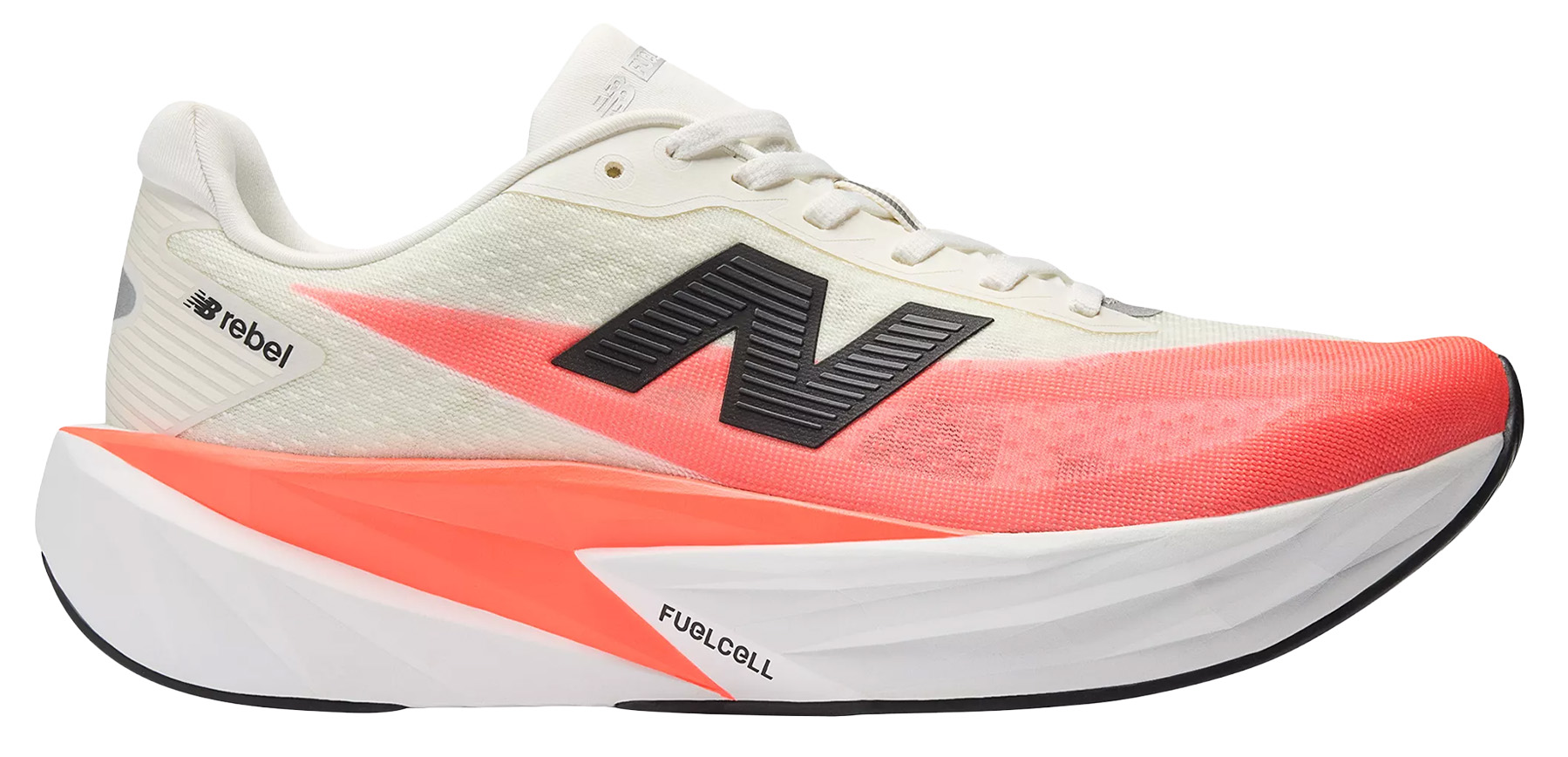
New Balance FuelCell Rebel v5 — Lightweight and Surprisingly Stable
Weight: 8.0 oz / 227 g
Heel: 35 mm
Forefoot: 29 mm
Drop: 6 mm
The FuelCell Rebel v5 is one of my newest shoes, but early impressions are very positive.
Despite a soft, lightweight midsole and thin upper, the shoe feels surprisingly stable, thanks to a slightly flared midsole and a thicker, firmer outsole than expected. The heel counter sits right in the middle of the firmness spectrum — supportive without being rigid.
It has a race-day stack height and drop, but without the snap or stiffness of a plated shoe. It feels quick without being demanding.
It’s also a good-looking shoe, which adds to its versatility. Early on, this feels like a true all-arounder that can handle a wide range of runs.
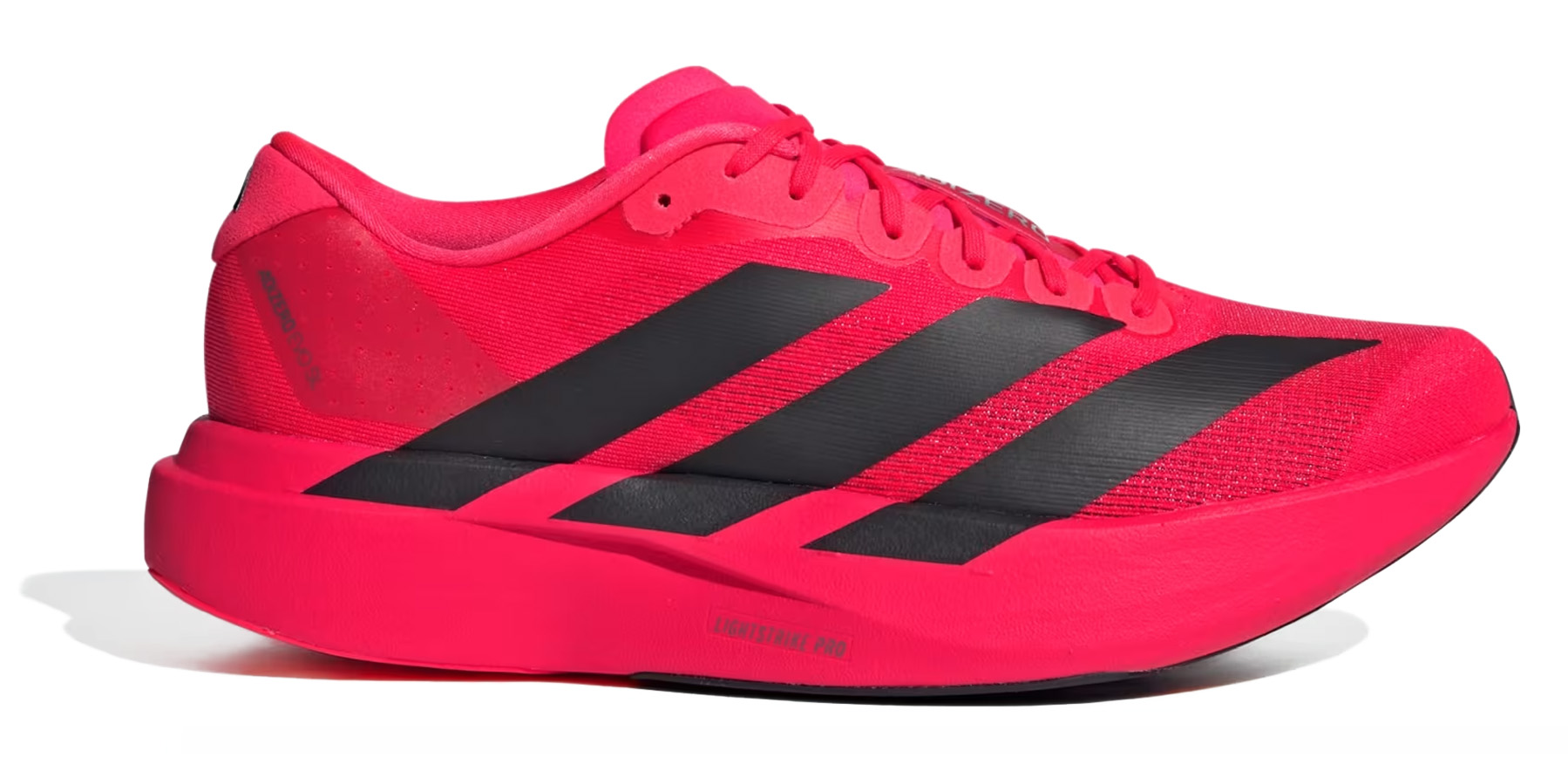
Adidas Adizero Evo SL — My Favorite Trainer
Weight: 7.9 oz / 224 g
Heel: 39 mm
Forefoot: 33 mm
Drop: 6 mm
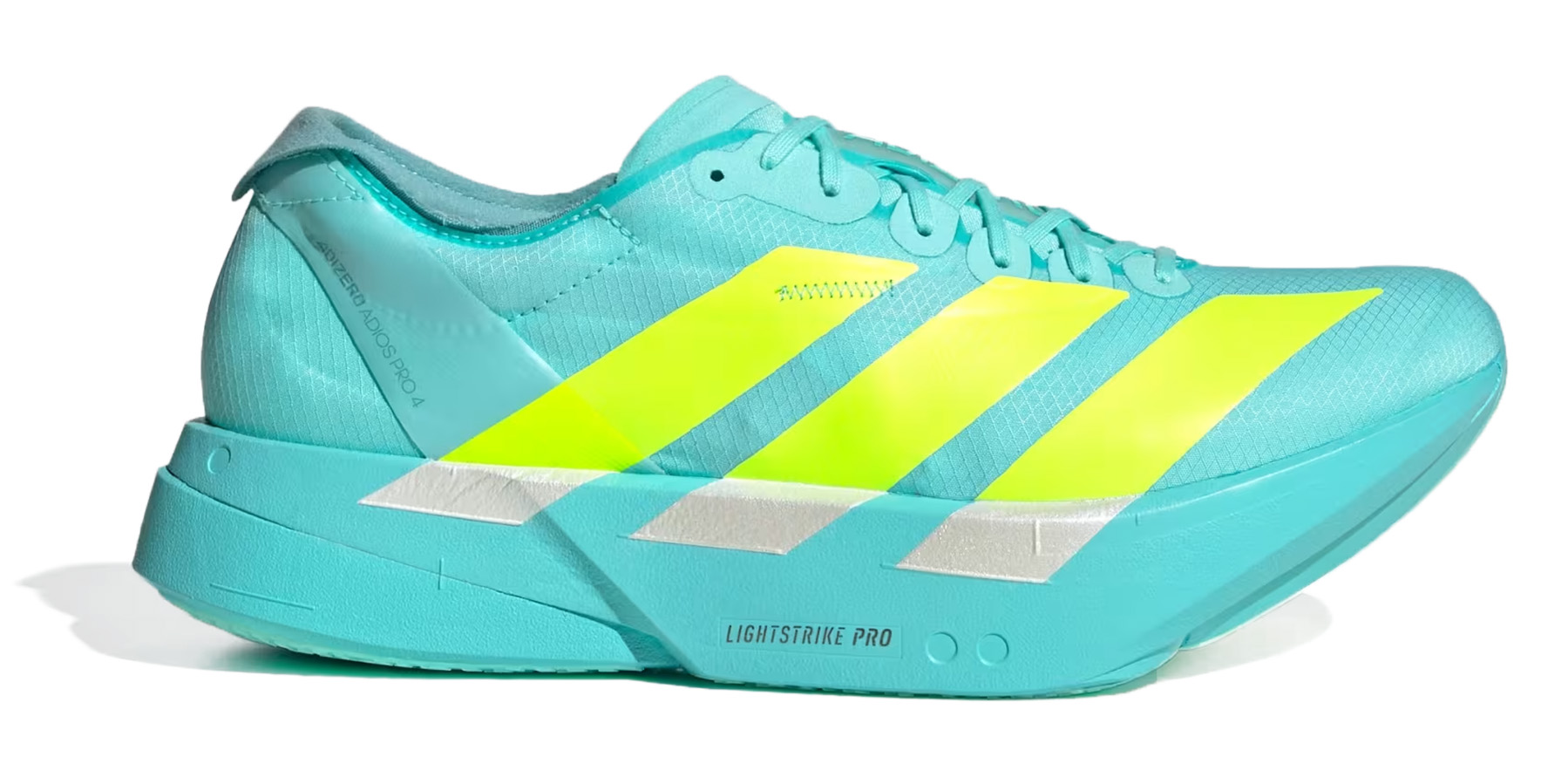
I bought the Adidas Adizero Evo SL because I love my Adios Pro 4 so much, and this feels like its closest training counterpart.
It’s essentially the same shoe without the EnergyRods, paired with a firmer heel counter, making it far more versatile. For workouts and even recovery runs, this has become my absolute favorite shoe.
The combination of a thin Continental outsole, Lightstrike Pro midsole, and ultra-thin, breathable upper creates a fast, efficient ride without the harshness of a plated shoe.
It fits best for medium to narrow feet, looks aggressive and “pro,” and Adidas’ colorways and collaborations are consistently excellent.
If you like supershoes but want something you can train in every day, this one is special.
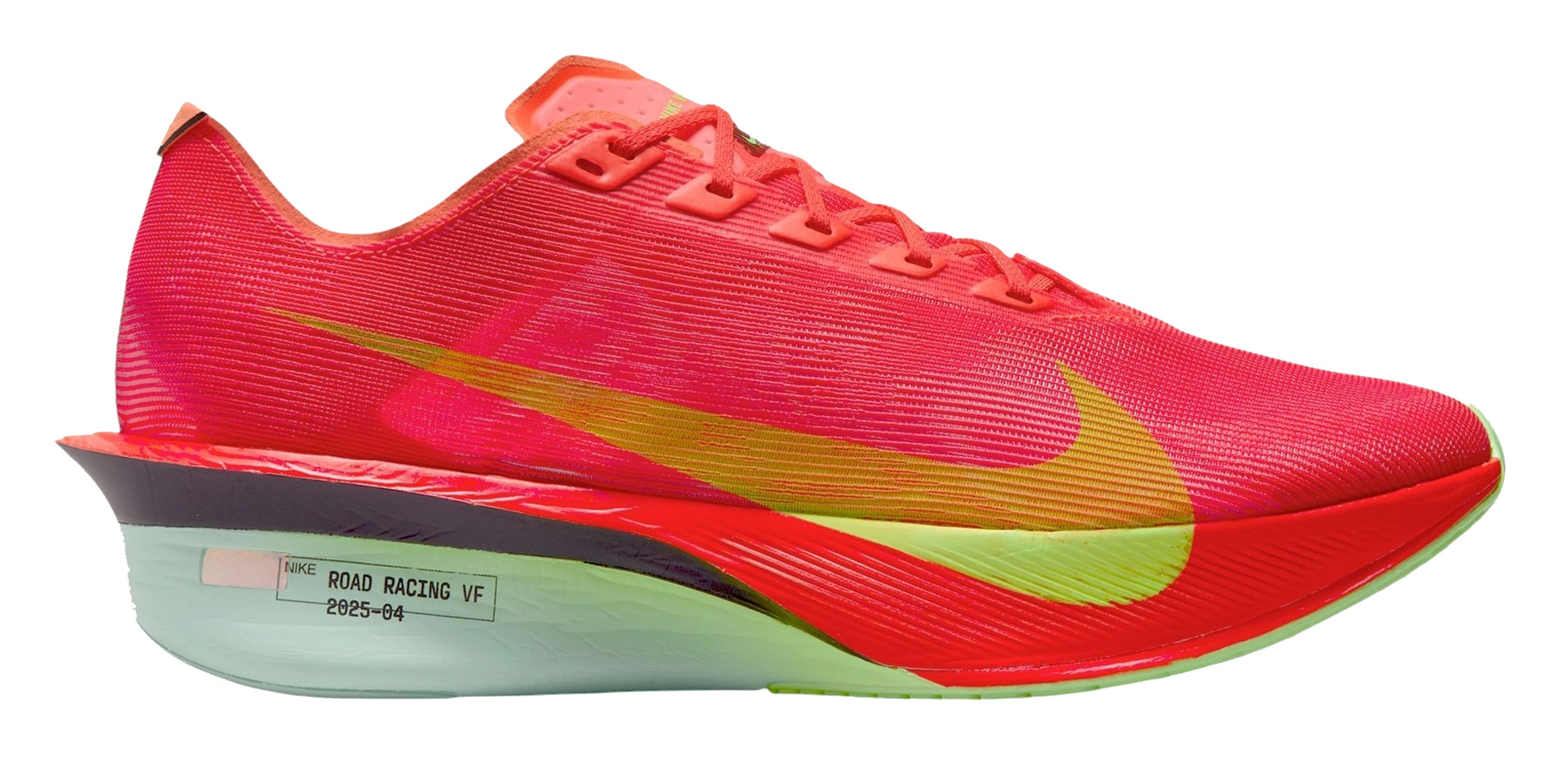
Nike Vaporfly 4 — Fast, but Risky
Weight: 6.7 oz / 190 g
Heel: 35 mm
Forefoot: 29 mm
Drop: 6 mm
I use the Nike Vaporfly 4 very selectively — mainly for long runs, and I’ve raced a 5K in them once.
At speed, they’re incredible. Once you’re in full stride, the shoe feels effortless and efficient. But everything about this shoe is demanding.
The fit is significantly narrower, especially in the heel. Combined with a tall, soft stack, light upper, and narrow platform, the shoe feels inherently unstable — especially under fatigue.
At this point, I strongly suspect the Vaporfly 4 may be the culprit behind my current IT band issues, as the geometry seems to exaggerate pronation rather than control it.
This is a high-risk, high-reward shoe. When everything is perfect, it shines. When it isn’t, the cost can be high.
Adidas Adizero Adios Pro 4 — Speed Without the Penalty
Weight: 7.1 oz / 201 g
Heel: 39 mm
Forefoot: 33 mm
Drop: 6 mm
The Adios Pro 4 has been my primary race shoe through nine 5Ks, one 10K, and a half marathon, and it’s been exceptional.
The EnergyRods provide pop while still allowing natural flex, which I find far more forgiving than full-length plates. The stack height and drop feel balanced, and the heel platform is noticeably more stable than the Vaporfly.
The upper is ultra-light, highly breathable, and dries incredibly fast — even after running through puddles.
What surprised me most is how well this shoe has supported an aggressive racing schedule without breaking me down. It delivers speed without sacrificing durability or stability.
I’m not a doctor, and this article is based on my own personal experience. Before making major changes to your diet, exercise, or supplement routine—especially if it involves increasing protein intake or cutting out entire food groups—please consult with your physician. It’s also a good idea to have bloodwork done and reviewed by an MD to make sure your body is responding safely.
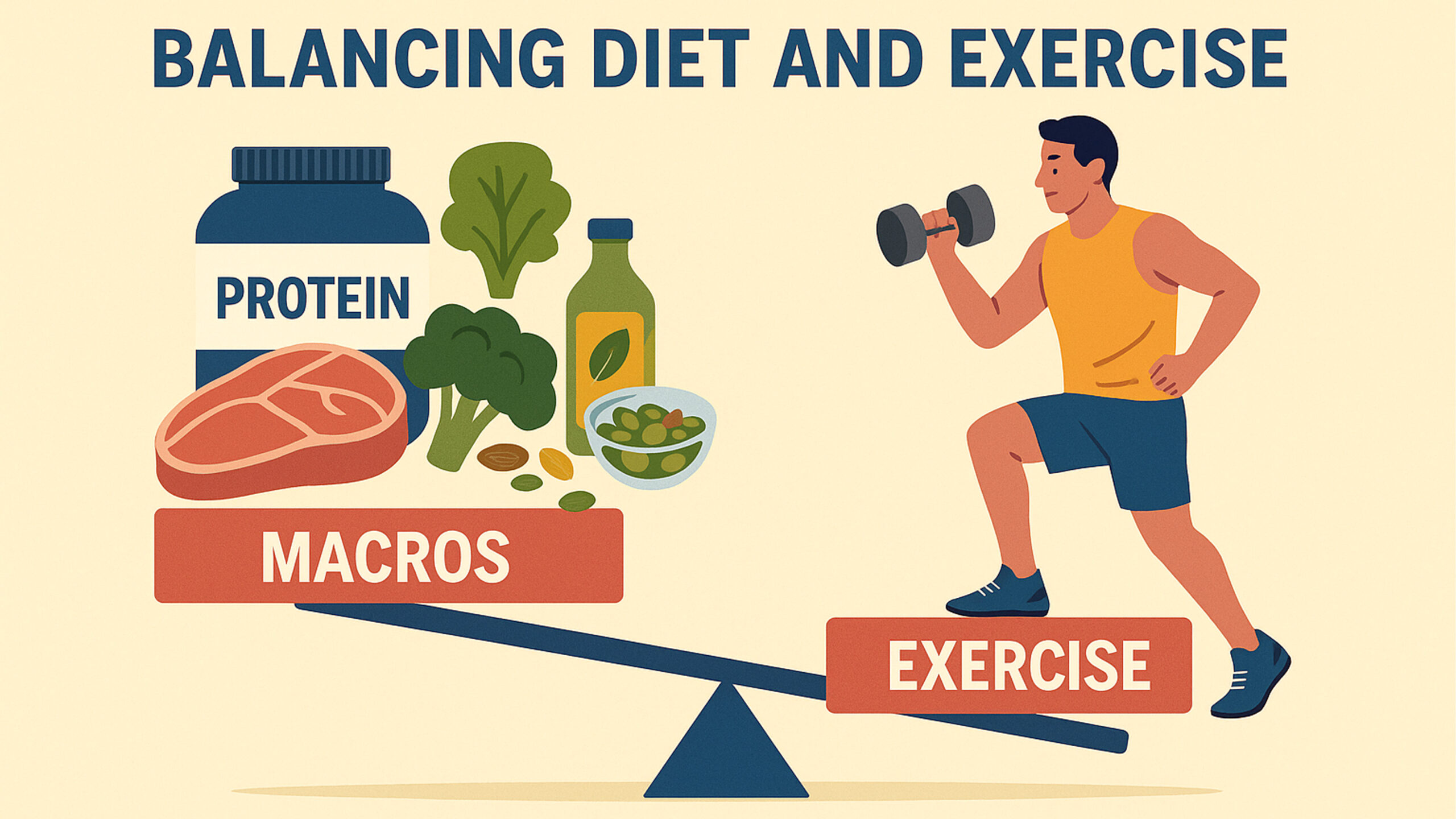
Balancing diet and exercise may sound like a cliché, but it’s the real foundation of my health journey. What I’ve been doing isn’t extreme or built on fads—it’s a gradual, natural, and sustainable approach that has helped me safely reduce body fat while building muscle.
Let me break it down in a way that’s easy to digest, especially on the nutrition side, since that’s where most of the magic (and challenges) happen.
Exercise: The Movement Piece
I work out most days of the week, with the exception of rest days that my activity tracker reminds me to take (usually once a week). Listening to my body here (and my WHOOP) has been crucial.
Each workout includes both cardio and strength training:
Cardio: Running for endurance, heart health, and fat burn.
Strength training: A mix of free weights, machines, and calisthenics to build lean muscle mass.
This combination keeps my metabolism revved up, helps preserve muscle while cutting fat, and prevents me from plateauing.
Diet: The Fuel That Drives Results
Exercise alone won’t get you to your goals. Diet makes up the biggest piece of the puzzle. To simplify it, let’s talk about macros—macronutrients:
Carbohydrates
Proteins
Fats
Most people underestimate just how much of their daily calories come from carbs and fats, especially in a typical 2,000-calorie diet. Fats are calorie-dense (more calories per gram), and carbs—particularly refined grains and sugars—are hidden in almost everything we eat.
Carbohydrates: Cutting the Cravings
My first piece of advice: cut out carbs wherever you can—breads, cereals, sweets, and most processed foods. Instead, step your protein intake way up.
Why? Because I follow what I call the 1/3–1/3–1/3 rule: aim for equal calories from carbs, fats, and protein. That’s a 33%–33%–33% macro split.
The reality is that most people don’t track this balance and end up consuming the majority of their calories from carbs and fats. By intentionally avoiding refined carbs and sugars, I noticed two things:
Whole foods naturally provide enough carbs. For example, 75% of the calories in raw tomatoes come from carbohydrates. Even with mostly whole foods, I still take in around 60–90 g of carbs daily. Many of these come with fiber—technically carbs, but considered “net-zero” since your body doesn’t absorb them as energy.
Carb and sugar withdrawal is real. After a few days without refined grains and sugars, I felt headaches and weakness—classic withdrawal symptoms. But once I pushed through, those symptoms cleared up, and I felt amazing. My body seemed to burn cleaner, natural energy, and I shed glycogen and water weight as a bonus.
Protein: Powering Muscle Growth
Here’s the tricky part—how do you actually meet high protein goals without eating chicken breast all day?
Take this example: an 8 oz grilled, skinless chicken breast (a fairly large portion) gives you around 212 calories with a solid amount of protein. Chicken is one of the most protein-dense meats, but realistically, you can’t live on chicken alone.
That’s where strategic supplementation and variety come in. These are my go-to options:
If you had just one serving of each of these per day, that’s already a 90 g protein boost—without even counting healthy whole food sources like chicken, turkey, fish, or egg whites.
Important: Large increases in protein intake should always be discussed with your doctor. High protein can stress the kidneys in people with certain conditions, and only a physician can tell you if it’s safe for your individual health.
Fats: Choosing the Right Ones
Like carbs, fats are everywhere, and avoiding them completely isn’t the answer. The key is to choose healthier fats that work for your body instead of against it.
For this, I look to the Mediterranean diet, which emphasizes fats from natural, unprocessed sources. My favorites:
Extra Virgin Olive Oil (EVOO): Known as the “liquid gold” of Ancient Rome, uncooked EVOO is one of the least harmful oils. I cook foods as dry as possible, then drizzle a little fresh olive oil on top for tenderness and flavor.
Nuts & Seeds: I blend pepitas (pumpkin seeds), peanuts, and pistachios into a mix that’s great on salads or yogurt. These three have excellent fat-to-protein ratios and taste amazing.
Olives: Another Mediterranean staple, full of healthy monounsaturated fats.
Micros: Don’t Forget the Small but Mighty Nutrients
While macros get the spotlight, micronutrients—vitamins and minerals—are equally important.
Whole foods are your best source here. A Mediterranean-style diet makes it easy to hit these needs with:
Leafy greens (swap iceberg for spinach)
Fresh veggies (snack on cherry tomatoes, cucumbers, peppers)
Lean proteins (chicken and white fish are micronutrient-rich)
Nuts & olives for minerals and healthy fats
While most store-bought supplements and multivitamins are generally safe, be cautious with high-potency supplements for vitamins and minerals. More isn’t always better. Some fat-soluble vitamins (A, D, E, K) can actually be harmful in excess. Always ask your MD before making dramatic changes in your vitamin regimen.
Hydration: The Underrated Secret
Finally—hydration. Water is essential for everything your body does:
Regulating blood sugar and sodium
Helping your kidneys handle the higher protein load
Flushing out excess nutrients and toxins
When you increase protein intake, you must also increase water intake. The right amount depends on your age, height, gender, and weight, but a safe rule of thumb is to drink steadily throughout the day instead of chugging at once.
The Bottom Line
By balancing exercise with a thoughtful, nutrient-dense diet, I’ve been able to reduce fat while gaining lean muscle in a way that feels natural and sustainable.
The formula is simple—but not easy:
Exercise most days, with a mix of cardio and strength training
Cut refined carbs and sugars
Step up protein with both whole foods and supplements (doctor-approved!)
Choose healthier fats
Load up on micronutrient-rich whole foods
Stay hydrated
This isn’t a crash diet or a quick fix. It’s a lifestyle shift. And once you get past the carb and sugar withdrawals, you’ll be surprised how energized and strong your body can feel.
Always check with your physician before starting or changing a fitness or diet plan. Regular bloodwork reviewed by an MD can give you invaluable feedback on how your body is handling shifts in macros, protein, fats, and micronutrients. Think of it as your dashboard—your doctor is the mechanic who makes sure your engine is running smoothly.
I’m not a doctor. This article is based on my own experience. Before making any major changes to your diet or exercise routine—especially if you’re planning an aggressive weight loss and/or fitness program—please consult with your medical doctor.
Most people who start dieting look to their TDEE (Total Daily Energy Expenditure) to decide how many calories they should eat. On the surface, it makes sense: TDEE is the total number of calories you burn each day through a mix of your BMR (Basal Metabolic Rate) plus all your activity (walking, workouts, even fidgeting).
But here’s the catch: TDEE changes a lot from day to day.
Take a reasonably active adult as an example. On a day when they exercise, walk more, and stay on their feet, they might burn around 2,400 calories. But on a quieter, sedentary day, they may only burn 1,800–1,900 calories. That’s a swing of 500–600 calories in a single day.
Now imagine eating the exact same number of calories every day while aiming for a deficit. On your “high burn” days, you’re in a healthy 300–400 calorie deficit. But on your slower days, you might slip into a 300–400 calorie surplus without realizing it. Over time, this back-and-forth can make fat loss frustratingly slow—or stall it completely.
That’s why I personally don’t use TDEE as my guiding number. Instead, I set my nutrition by my BMR.
What BMR Is (and How It’s Calculated)
Simply put, your BMR is the number of calories your body burns at rest—just to stay alive. It covers essentials like breathing, circulation, cell repair, and organ function. Think of it as your body’s “baseline fuel requirement.”
If you really want to know how the math is math’d, here you go: the most common formulas to calculate BMR are:
BMR=(10×weight in kg)+(6.25×height in cm)−(5×age in years)+5
For women:
BMR=(10×weight in kg)+(6.25×height in cm)−(5×age in years)−161
2. Katch-McArdle Equation (more accurate, the method I like to use):
BMR=370+(21.6×lean body mass in kg)
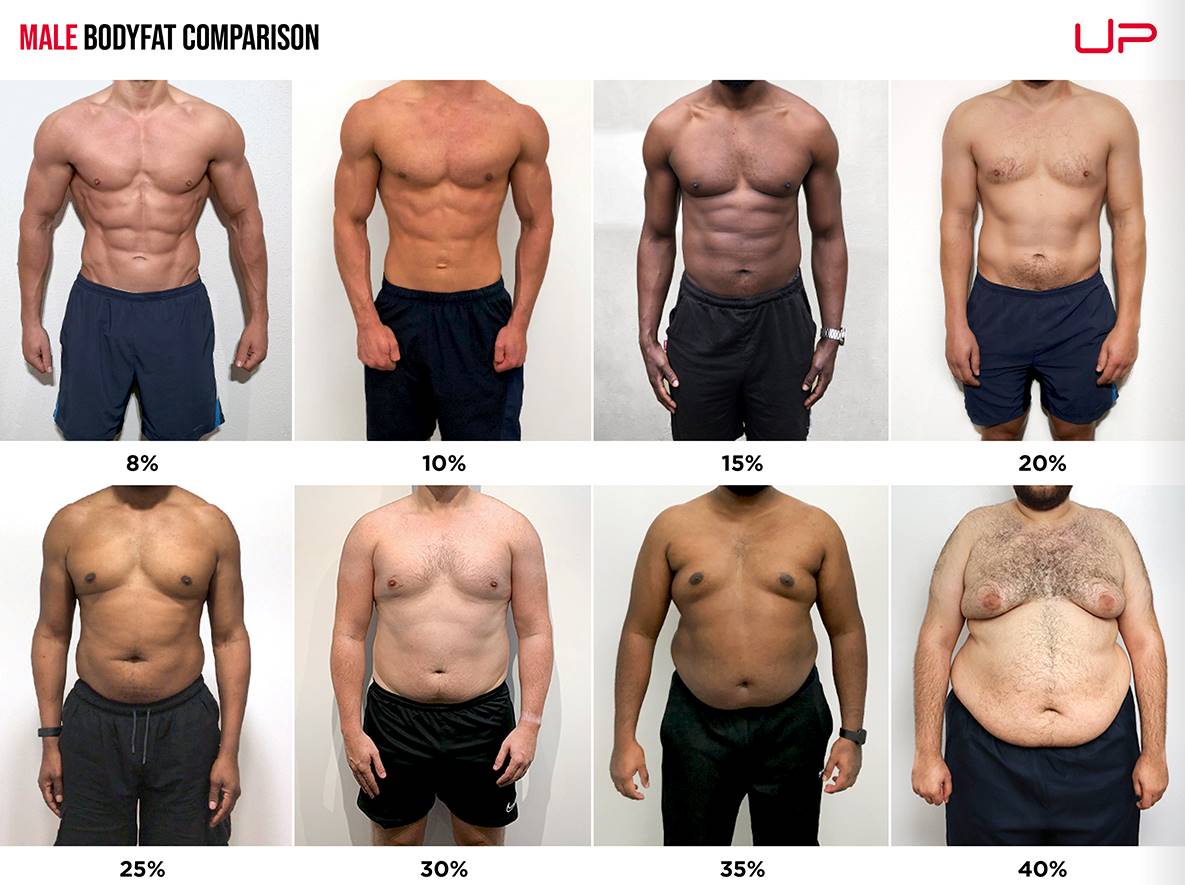
To use the Katch-McArdle formula, you’ll need a reliable way to measure body composition. A good smart scale can give you fat % and lean mass. Check out my Health Stack article, where I cover the scale I use. Although I prefer the most precise methods possible, if you don’t want to buy a scale just yet, you can simply Google a “male/female body fat % photo chart” to get a decent estimate. Here’s one that I found, to give you an example:
The top result on a Google Image Search. The photo comes from Ultimate Performance.
Pro-tip: Once you have your body fat percentage, use this prompt in ChatGPT or your favorite AI tool:
“I’m a X year old, X ft. X in. tall male/female, weighing X lbs., and X% body fat. Please calculate my BMI using the Katch-McArdle formula.”
And voila! You’ll have your BMI!
What TDEE Is (and Why It Fluctuates)
Once you know your BMR, you can estimate your TDEE by multiplying it by an Activity Factor:
Sedentary (little or no exercise): BMR × 1.2
Lightly active (light exercise 1–3 days/week): BMR × 1.375
Moderately active (moderate exercise 3–5 days/week): BMR × 1.55
Very active (hard exercise 6–7 days/week): BMR × 1.725
Extra active (physical job + training): BMR × 1.9
This gives you an estimate of your daily burn. But again, your actual daily burn can swing up or down hundreds of calories based on real-world activity.
An Example: Turning BMR Into a Calorie Budget
Let’s say a 40-year-old man, 5’10” (178 cm), weighing 170 lbs (77 kg), at about 20% body fat runs the numbers:
That’s pretty stable! For simplicity, he could set his intake target at ~1,650 calories per day. Then, whatever activity he does—whether it’s a 400-calorie workout, a 200-calorie walk, or a busier day on his feet—becomes a bonus calorie burn, driving his deficit deeper without changing his food plan. The best way to check your active calories burned throughout the day is to use a fitness tracker like a Garmin, Apple Watch, Fitbit, WHOOP, Oura, or the dozens of other devices on the market. Check out my “Health Stack” acticle for some information on the trackers I use and why.
How Fat Loss Actually Works
Here’s where the math comes in:
Roughly 3,500 calories burned = 1 pound of fat lost.
To lose 1 pound per week, you’d need about a 500 calorie deficit per day (since 500 × 7 = 3,500).
In the example above, if our 40-year-old man eats at his BMR of ~1,650 calories and burns an average of 2,150 calories per day, he’s running that ~500-calorie deficit. Over a week, that adds up to about a pound of fat.
A Word of Caution: Protecting Lean Mass
While a 500-calorie daily deficit is considered safe and sustainable for most people, going too aggressive can backfire. Very large deficits (say, 800–1,000 calories per day) raise the risk of losing lean body mass (muscle) along with fat. That’s not only unhelpful for body composition, but it also slows your metabolism.
To protect muscle while dieting:
Strength train regularly. Resistance training tells your body to hold on to muscle.
Get enough protein. Aim for 0.8–1.0 grams of protein per pound of body weight daily if you’re in a deficit.
Avoid extreme deficits. A steady, moderate deficit paired with exercise will preserve lean mass better than crash dieting.
The Budget Analogy
Think of it like money management.
If your income (TDEE) swings between $1,800 and $2,400 each day, it’s hard to set a spending plan. But if you budget based on your guaranteed minimum income (BMR), you’ll always be safe. Any “extra income” (calories burned from activity) is like surprise savings.
Why This Works for Me
By sticking to my BMR intake, I’ve eliminated the stress of adjusting calories daily. My deficit is predictable, my routine is simple, and my mindset is steady. And when I do get extra activity in, I know I’m only accelerating my progress.
If you’ve ever struggled with inconsistent results on a TDEE-based approach, shifting your perspective to a BMR-based budget might be the key to making weight loss more consistent—and less frustrating.
Again, just to make it crystal clear: I’m not a doctor. This article is based on personal experience and general research. Everyone’s body is different, and before making significant changes to your diet or exercise—especially aggressive calorie restriction or intense training—you should consult with your medical doctor.
Updated Nov. 3, 2025:I’ve upgraded to the Apple Watch Ultra 3, and I now use the Abbott Lingo instead of the Dexcom Stelo. I have also started using the Eight Sleep Pod 5 Ultra sleep system. See more information about these in their respective sections. I’ve also added the section about the importance of Apple Health integration.
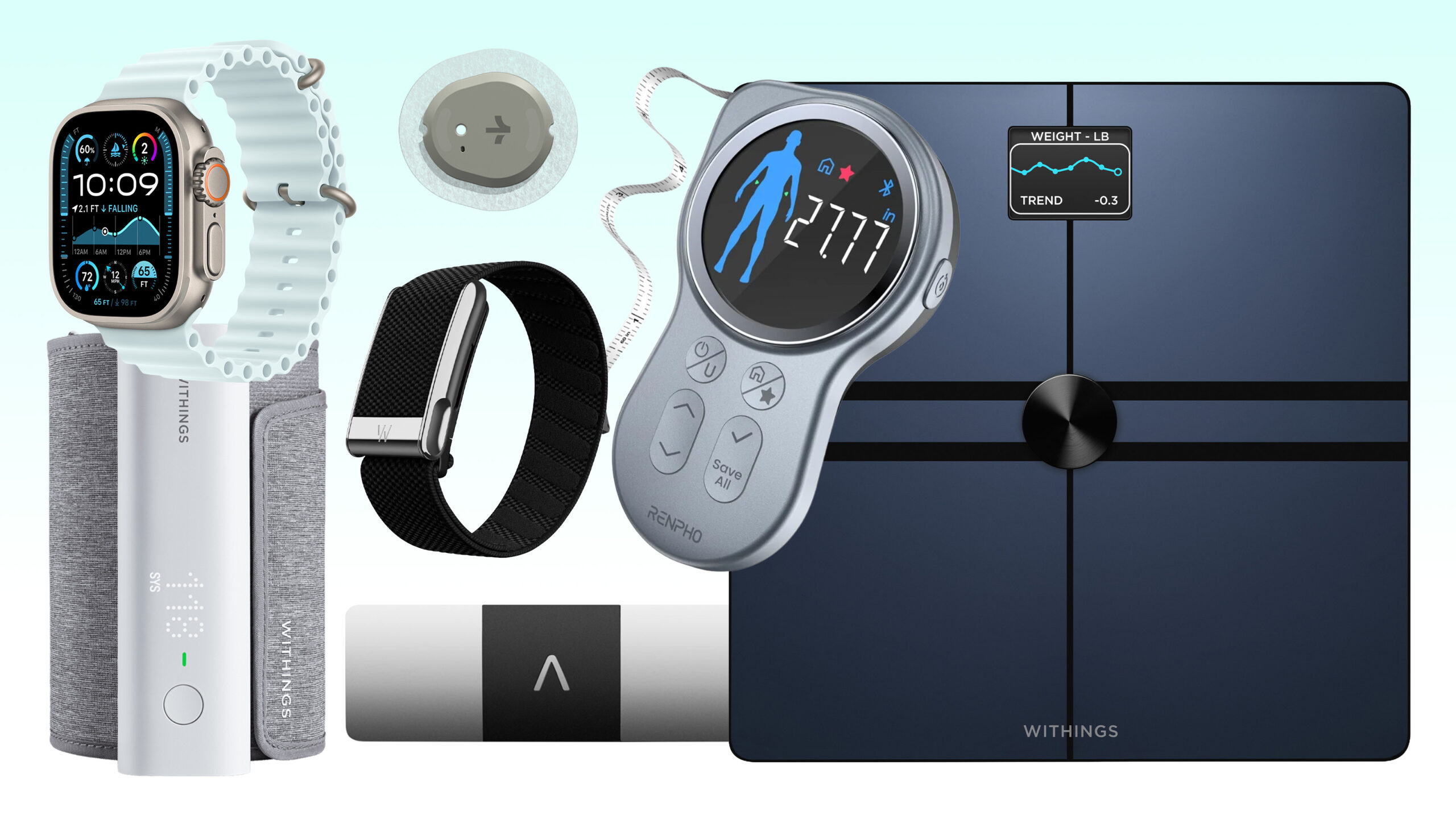
Over the past few months, I’ve been making some big changes to my health, fitness, and lifestyle — and honestly, it’s been one of the most rewarding projects I’ve ever taken on. One thing that’s kept me motivated is my “Health Stack”: the collection of devices I use to track progress, get insights, and sometimes just geek out over the data my body produces.
If you’re curious about what’s been working for me (or maybe looking for a nudge to start your own health journey), here’s a breakdown of my stack — what I use, why I love it, and how it all fits together.
Apple Health: Glue That Holds It All Together
One of the biggest advantages of using many of the tools in my health stack is that they feed into Apple Health, the true hub of my health data. When your devices all talk to each other, the results are powerful:
Deeper insights and trends: Apple Health combines data from multiple sources to reveal patterns over time — how your recovery improves with sleep, or how your glucose stabilizes as your fitness builds.
Personalized alerts: You can set up notifications for heart rate anomalies, blood pressure trends, or sudden changes in resting heart rate or oxygen saturation.
Data sharing for peace of mind: You can share select health data with loved ones or your doctor, so they can also receive alerts or view trends about your health when needed.
In short, Apple Health ties together all the different parts of my stack and turns them into one clear, continuous picture of my overall health.
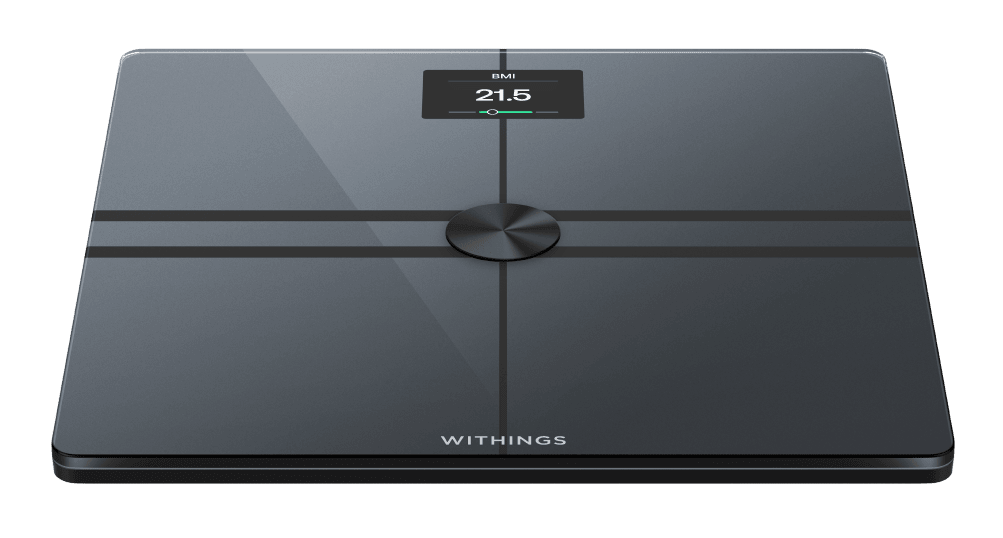
This is my daily go-to scale. It does more than just measure weight — it also calculates body composition (fat % and muscle %), and it syncs seamlessly with Apple Health.
I used to have the Withings Body Smart, which is a fantastic entry-level option, but I upgraded to the Body Comp for its extra features like nerve health measurements. Honestly, for someone my age and fitness level, nerve health isn’t a big concern, but it’s nice to know it’s there.
The coolest part? I’ve compared its results against the big, expensive body composition machines at my gym — and the numbers line up almost perfectly. Plus, you can set it up for multiple users, so the whole household can join in.
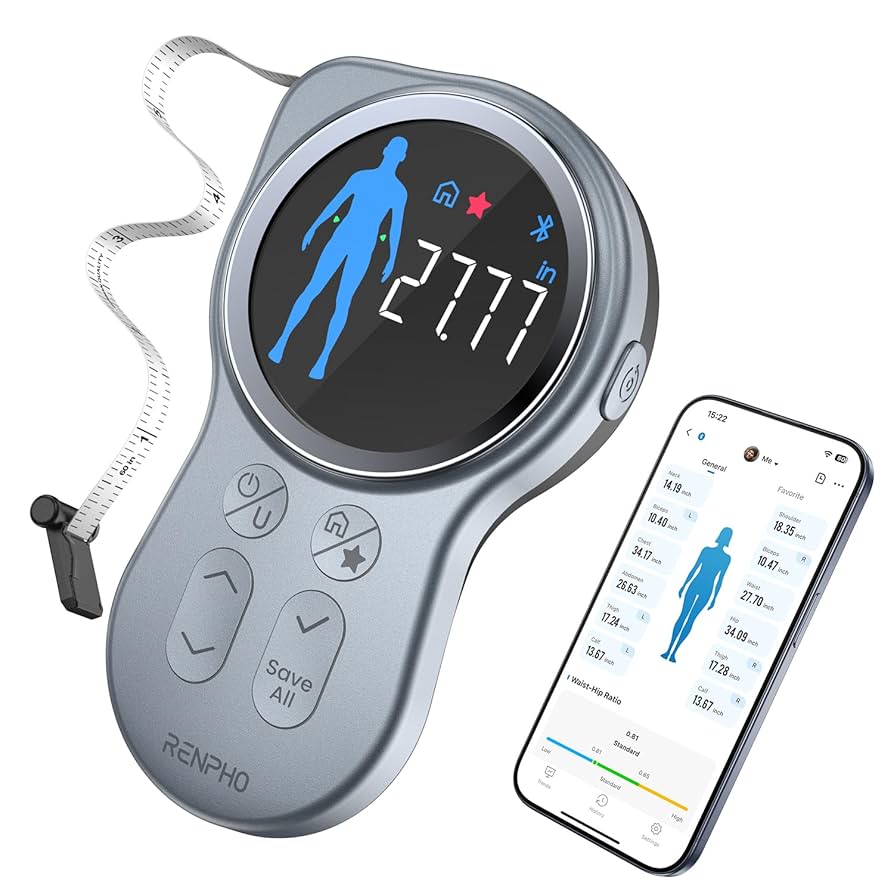
This is a new addition for me, and I love it. Sometimes, even if the scale shows progress, you don’t always see the difference in the mirror. The Renpho tape measure helps me track actual inches gained or lost around my chest, arms, and waist — a very motivating reminder that small daily choices really do add up.
Fitness & Activity Tracking
Fitness trackers are incredible tools for capturing the data that actually matters when you’re working to improve your health. Most will give you heart-based metrics (resting heart rate, workout intensity, recovery), GPS tracking for runs or walks, and even estimates of strain during weight training. But here’s the real game-changer: when you’re trying to lose weight, a tracker helps you get a much more precise picture of your daily active burn. That number is key for managing caloric deficits in a sustainable way. Instead of relying on a generic TDEE estimate, you can calculate your actual burn day-to-day and make smarter adjustments.
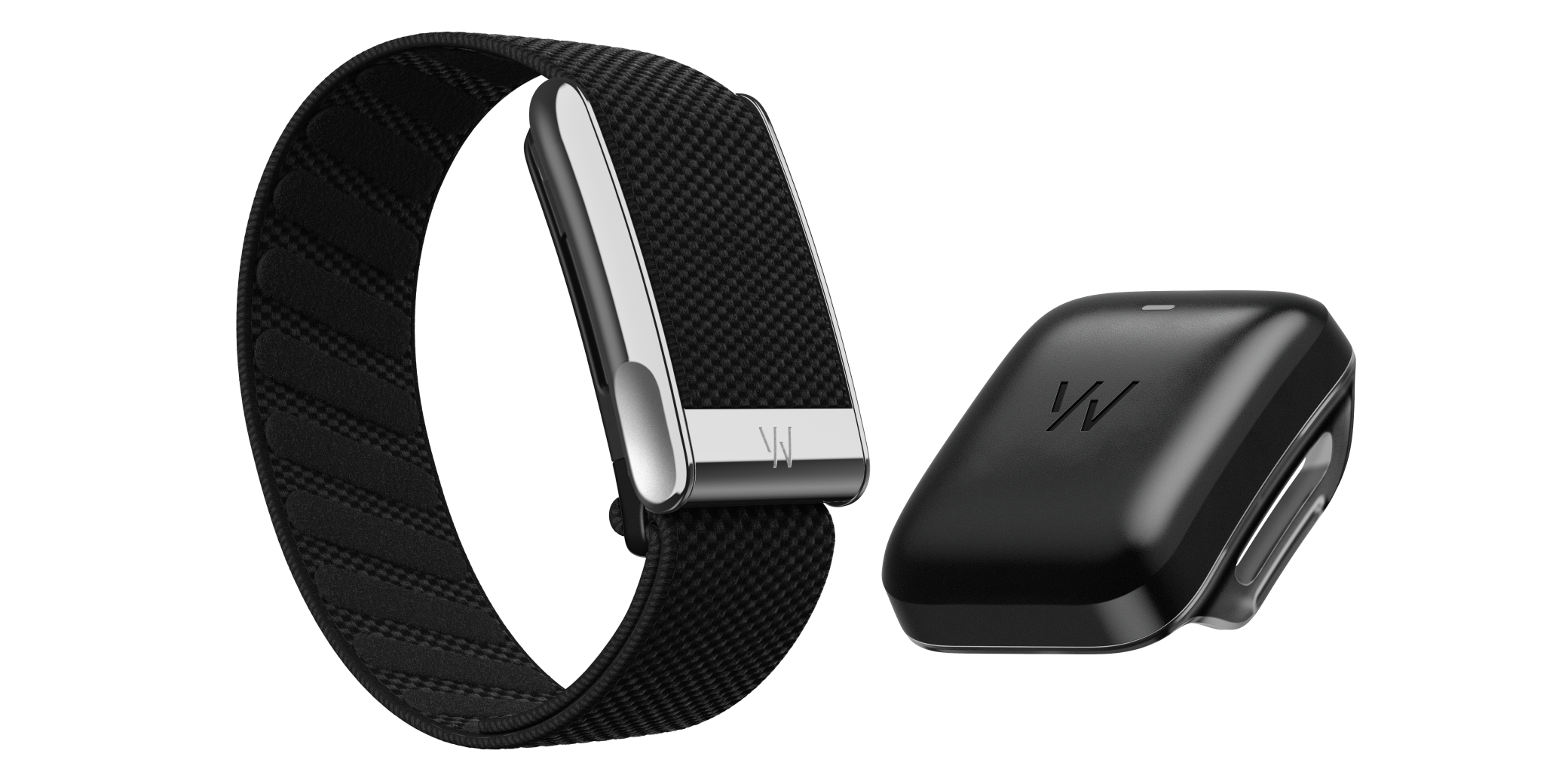
Okay, I admit it — I splurged on the fancy Whoop MG. But no regrets. Whoop takes a strain vs. recovery approach, using continuous heart rate data to give incredible insight into how hard you’re pushing your body and how well you’re bouncing back.
Unlike trackers you have to charge daily, Whoop has a genius clip-on battery pack that lets you charge it while still wearing it. That means it can truly be worn 24/7, collecting a mountain of data on your heart, sleep, recovery, and workouts. It also plays really nicely with Apple Health, Withings, and Strava (which I use to keep myself accountable).
The bottom line: if you love the idea of maximizing your workouts and your rest, Whoop is worth checking out.
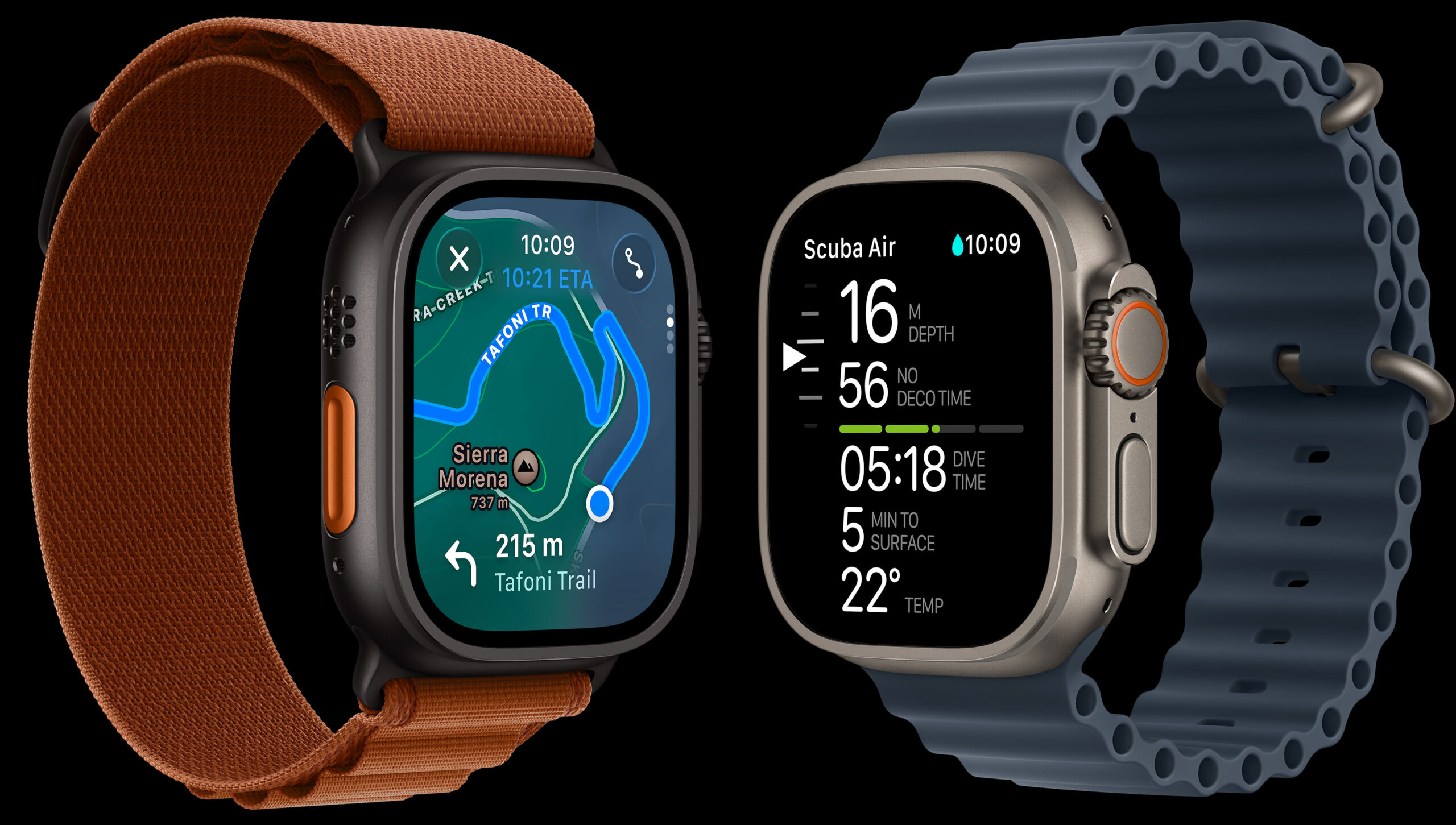
I’ve recently upgraded from the Ultra 2 to the Apple Watch Ultra 3, and the improvements are noticeable — better battery life, a brighter display, satellite communication, and 5G connectivity.
Although I still wear my Whoop 24/7, I rely on the Apple Watch to track my indoor and outdoor runs and walks, as well as to trigger strength training sessions. I was already using it for treadmill runs — especially since many treadmills now have Apple HealthKit integration, which makes syncing data seamless. Whoop doesn’t estimate distance for indoor runs or walks, which is an important metric for tracking progress in apps like Strava.
For outdoor workouts, Whoop relies on its app for GPS data, but I’ve found that connection to be a bit unreliable at times. The Apple Watch Ultra 3, on the other hand, has dedicated GPS and satellite hardware, which makes distance and route tracking far more consistent and accurate — especially during long runs or when I’m in areas with weaker cell coverage.
With the new WatchOS version, I’ve also been loving Workout Buddy, an audio notification feature that keeps me motivated and on pace during workouts. It’s simple but surprisingly effective, and it’s highly customizable for different training goals.
While my Whoop remains my main tracker for recovery, strain, and sleep, the Apple Watch Ultra 3 has become my active training companion, helping me get the most out of every workout while feeding all that detailed data into Apple Health.
For a long time, I thought I knew what good sleep was — my Whoop data showed solid recovery, and I felt rested most mornings. Then I added the Eight Sleep Pod 5 Ultra, and it completely changed my definition of great sleep.
The Pod has become an essential part of my sleep sanctuary, and the difference has been clear both in how I feel and in the numbers. My recovery data jumped noticeably, especially when comparing nights at home versus trips away without it.
I like my side of the bed cool, my wife likes hers warm, and the Pod makes that effortless — plus we’ve noticed we run the AC less since it regulates temperature so well. I still remember my first couple of nights: waking up after only three hours, feeling like it was morning already because I felt so rested — an incredible experience.
It also integrates with Apple Health, syncing sleep data alongside my Whoop metrics for an even fuller picture of my rest and recovery. One thing to keep in mind: it’s a water-based system with a refillable tank, it’s pricey (more than many high-end mattresses), and it requires a yearly subscription.
Still, it’s been one of the most transformative additions to my health stack — proof that great sleep really is a superpower.
Heart Health
Heart and kidney health have been top priorities for me. Kidneys mostly require lab work and doctor monitoring, but for the heart, I’ve added a couple of powerful tools for peace of mind.
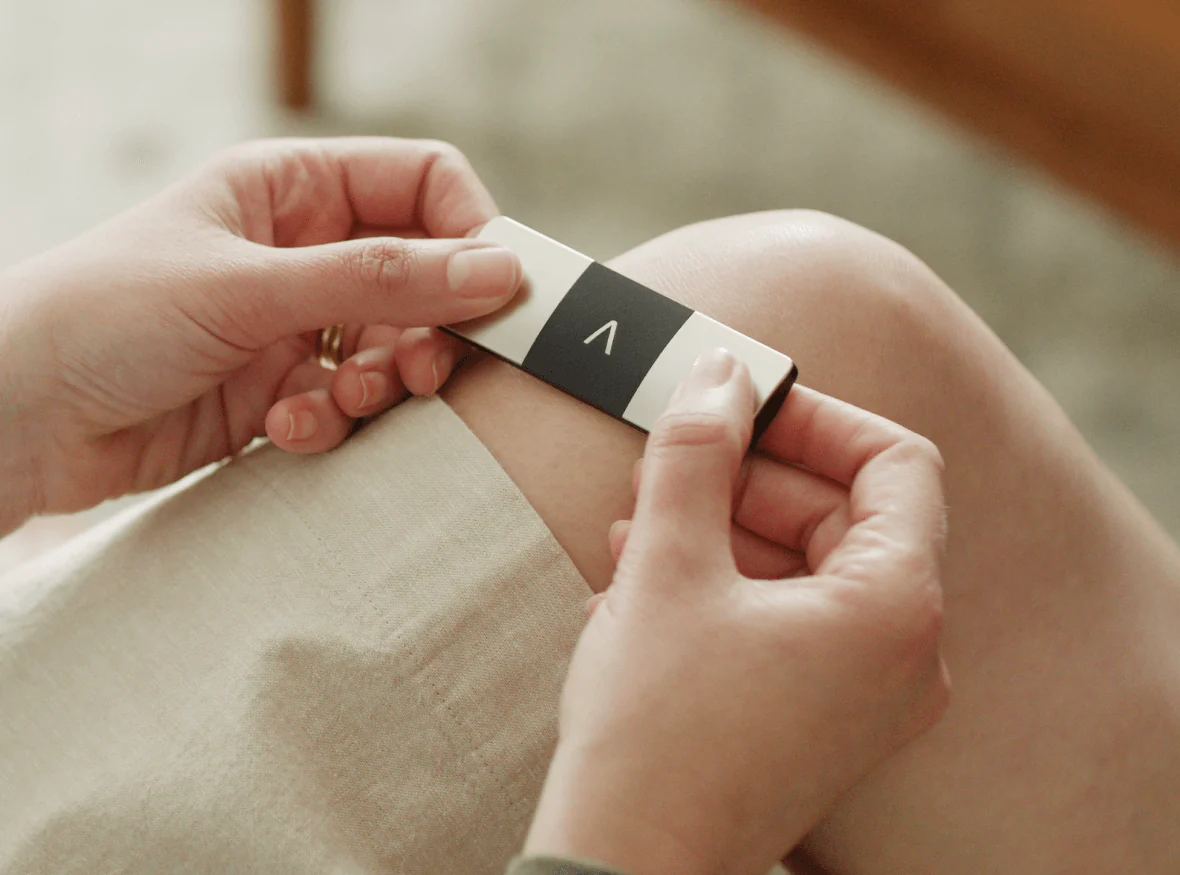
This tiny gadget (smaller than my palm!) is basically a personal ECG. Place your fingers on the sensors, and it records a 6-lead electrocardiogram in 30 seconds. Results sync with the mobile app and can be exported as a PDF to share with your doctor — or just to geek out over. It also syncs with Apple Health.
When I want to check my blood pressure, this is the device I trust. It’s wireless, simple, and logs everything in the Withings app, which syncs directly with Apple Health. Multiple users can set up profiles, which makes it family-friendly, too.
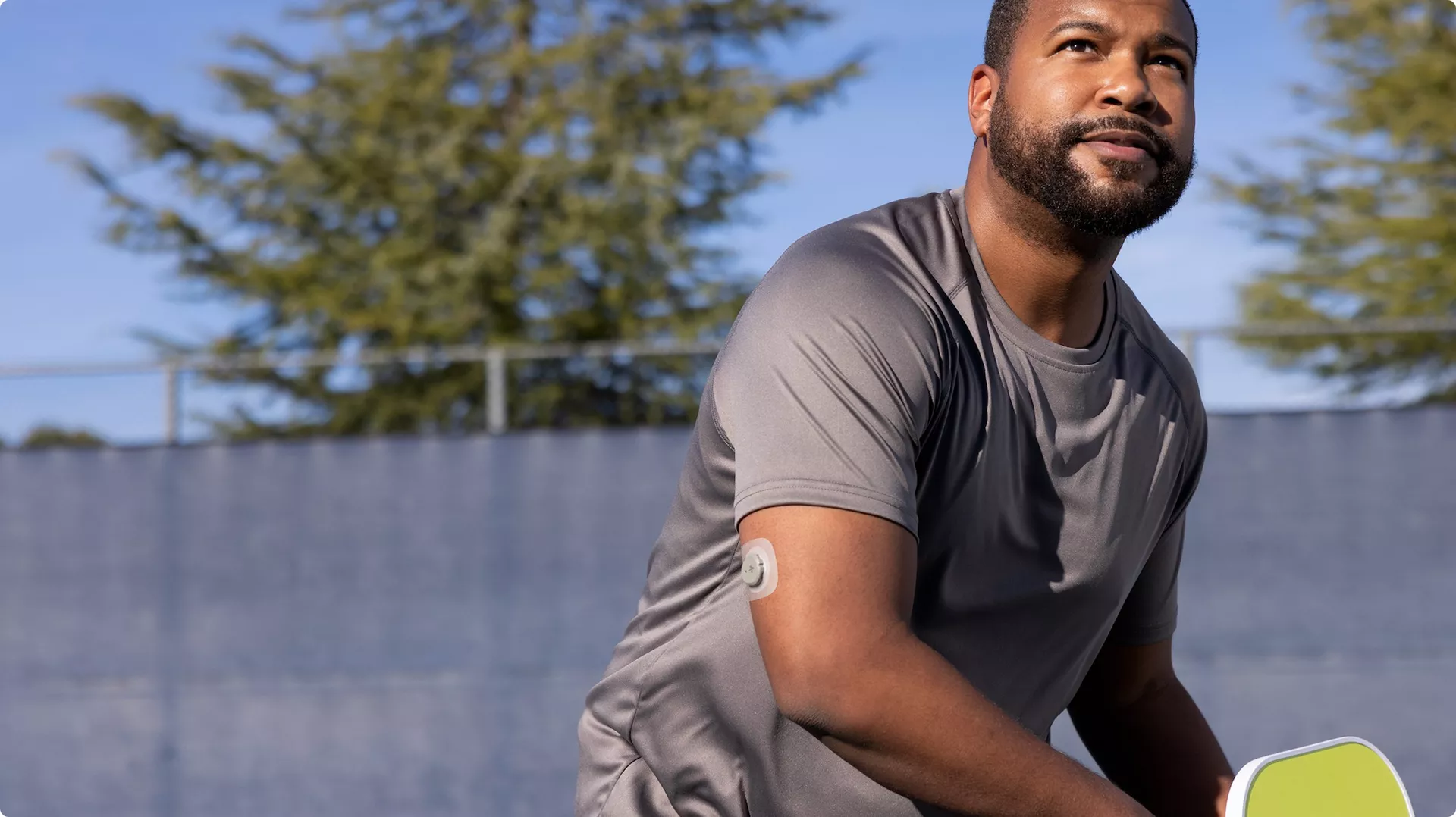
I’ve recently switched from the Dexcom Stelo to Abbott Lingo, and I’ve been impressed with how much more feature-rich and intuitive the app is. Both devices are targeted at non-diabetics, painless to apply, integrate with Apple Health, and sample glucose every 5 minutes — but Lingo adds a whole new layer of usability.
The glucose event logging feature lets me tag meals, workouts, and moments of stress to see exactly how they affect my glucose levels. The resulting insights have been eye-opening — for example, noticing how a morning run or a high-protein meal changes my glucose curve. The interface itself is smoother, cleaner, and more interactive, making it easy to stay engaged and curious about what’s happening inside my body.
This kind of real-time biofeedback has been one of the most fascinating parts of my health journey.
Wrapping It Up
My Health Stack isn’t just a bunch of gadgets — it’s a connected ecosystem that helps me understand my body better than ever. By syncing everything through Apple Health, I get a 360° view of what’s working, what needs tweaking, and how my choices translate into measurable progress.
The goal isn’t to obsess over numbers — it’s to stay curious, stay consistent, and stay motivated. These devices make that possible. They turn invisible progress into visible proof, and they make the journey fun.
If you’re thinking about starting your own health stack, begin with just one or two tools — a scale or smartwatch is more than enough to start seeing results. Then, as your curiosity grows, you can build from there.
After all, this is the fun part: experimenting, learning, and discovering how your body responds — one data point at a time.
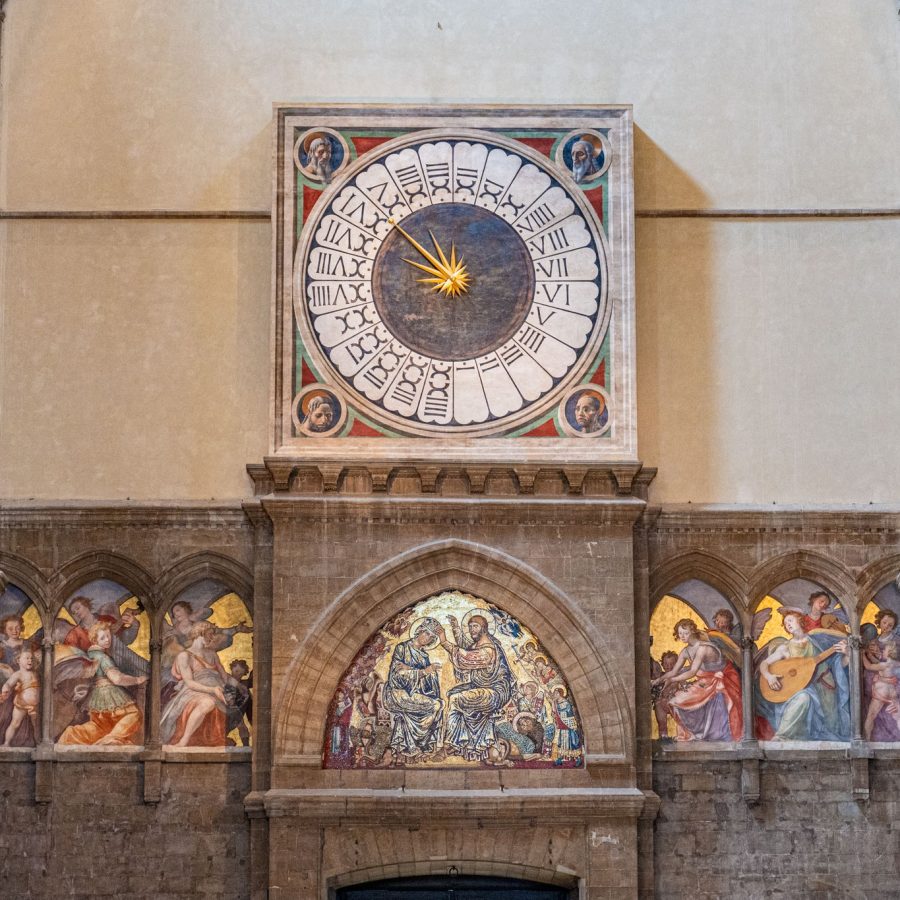
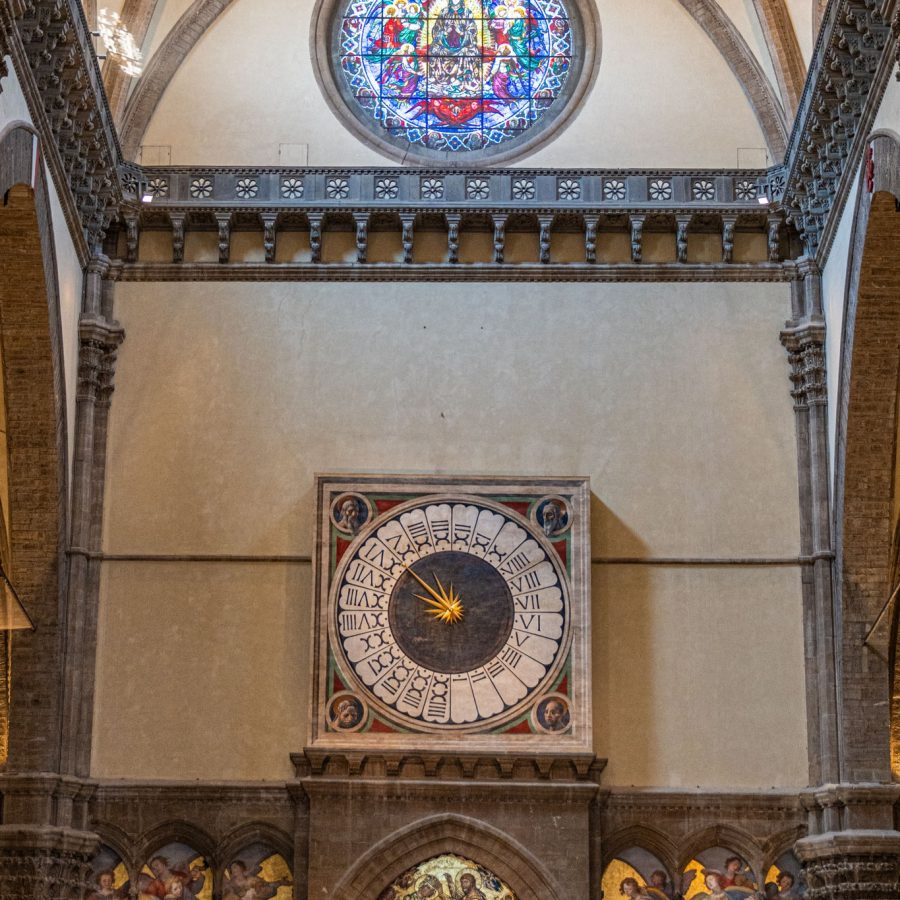
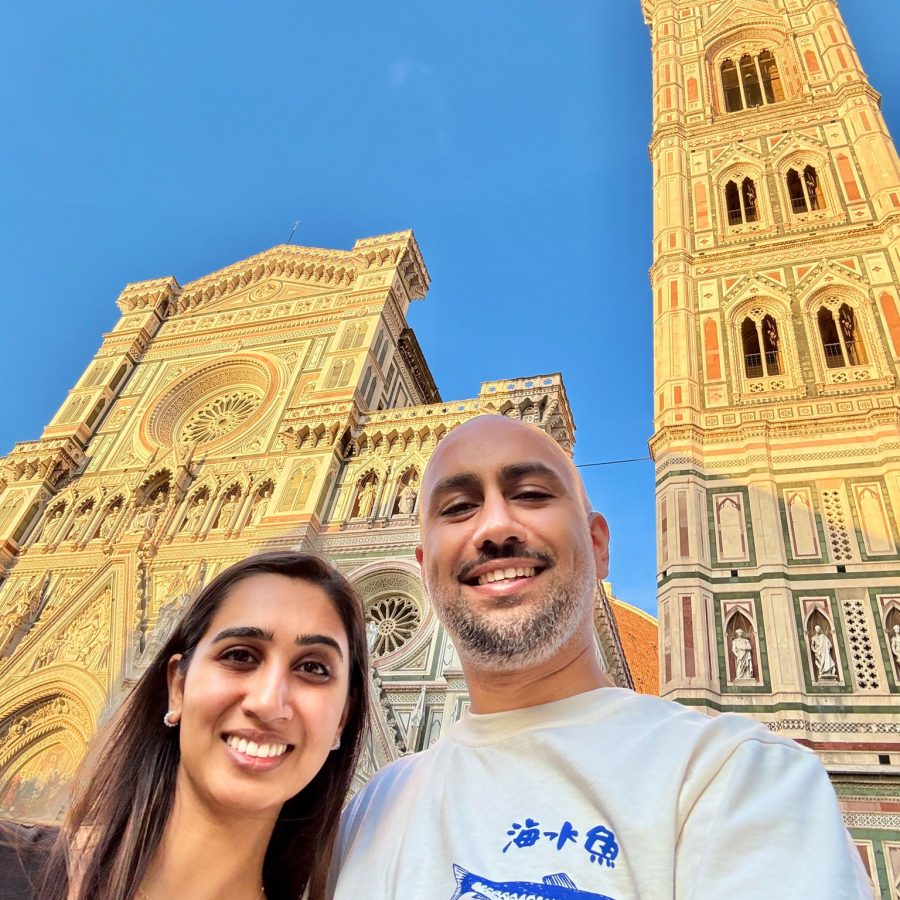
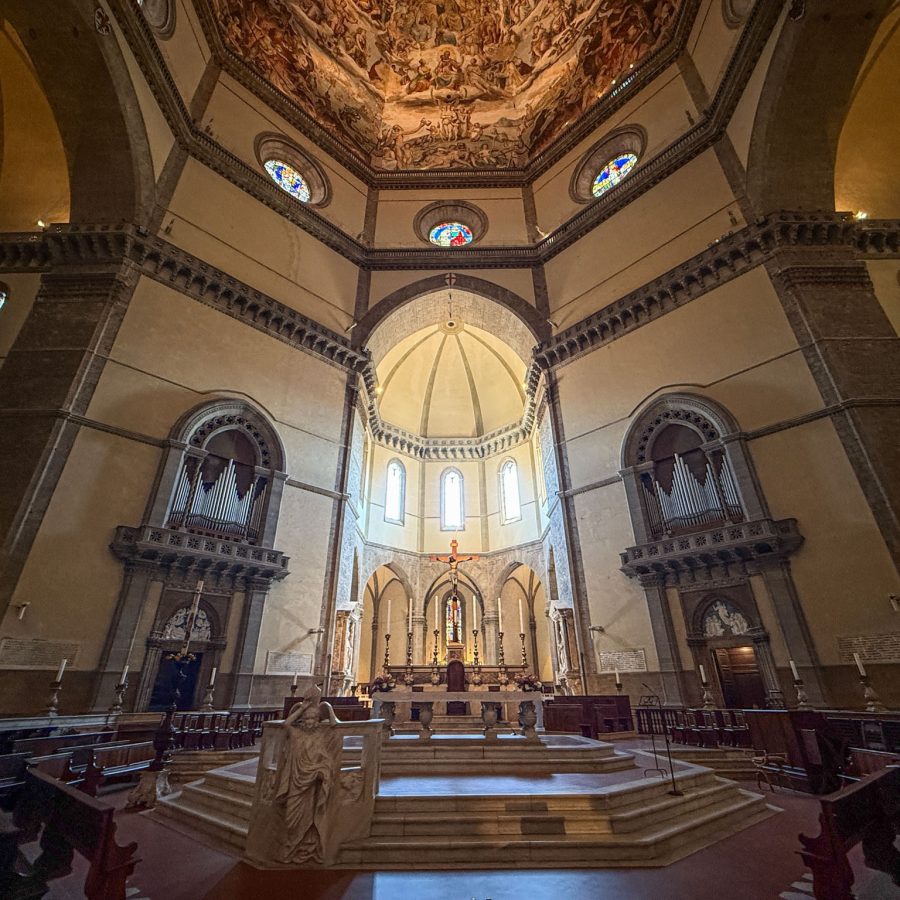
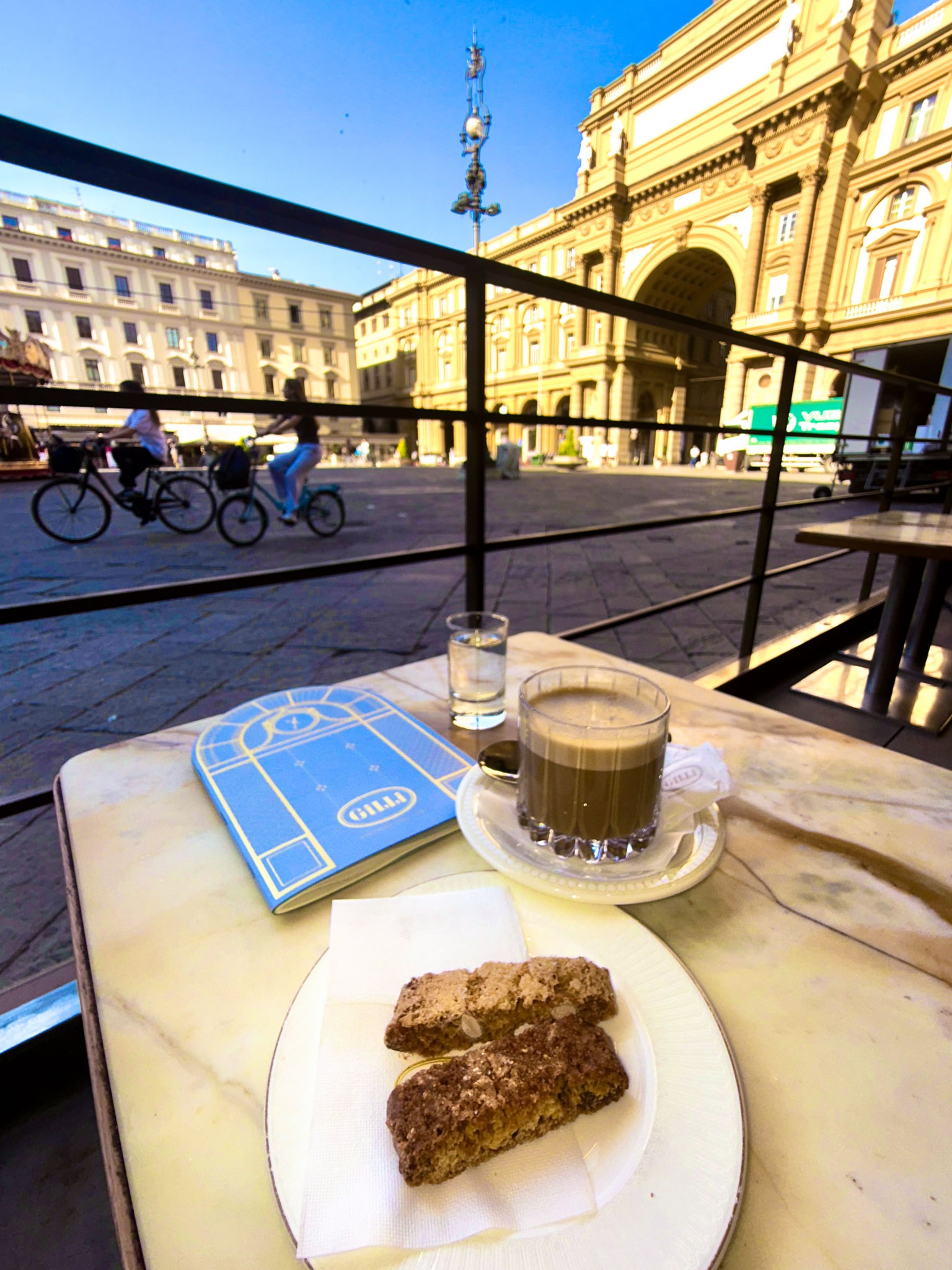
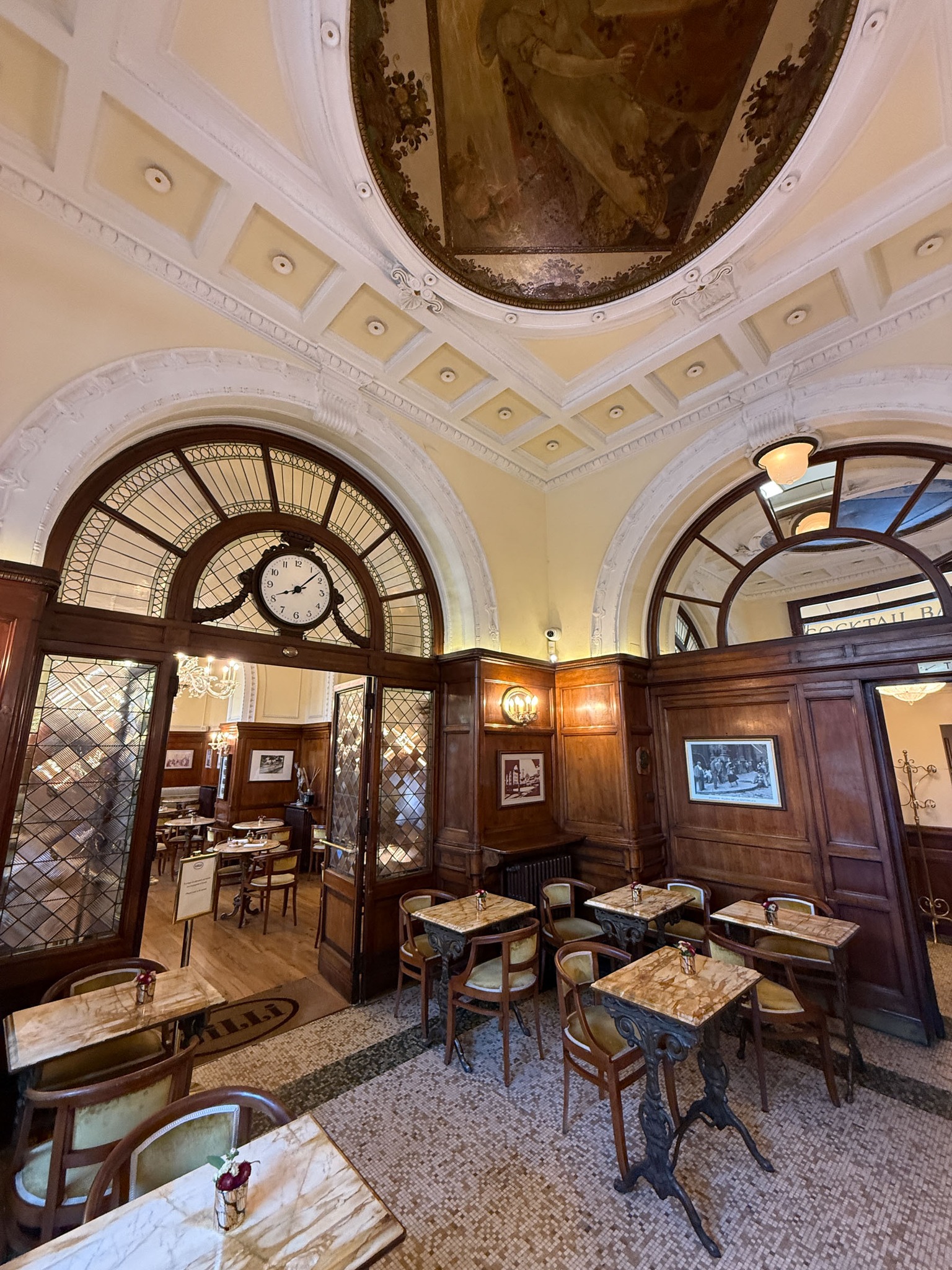
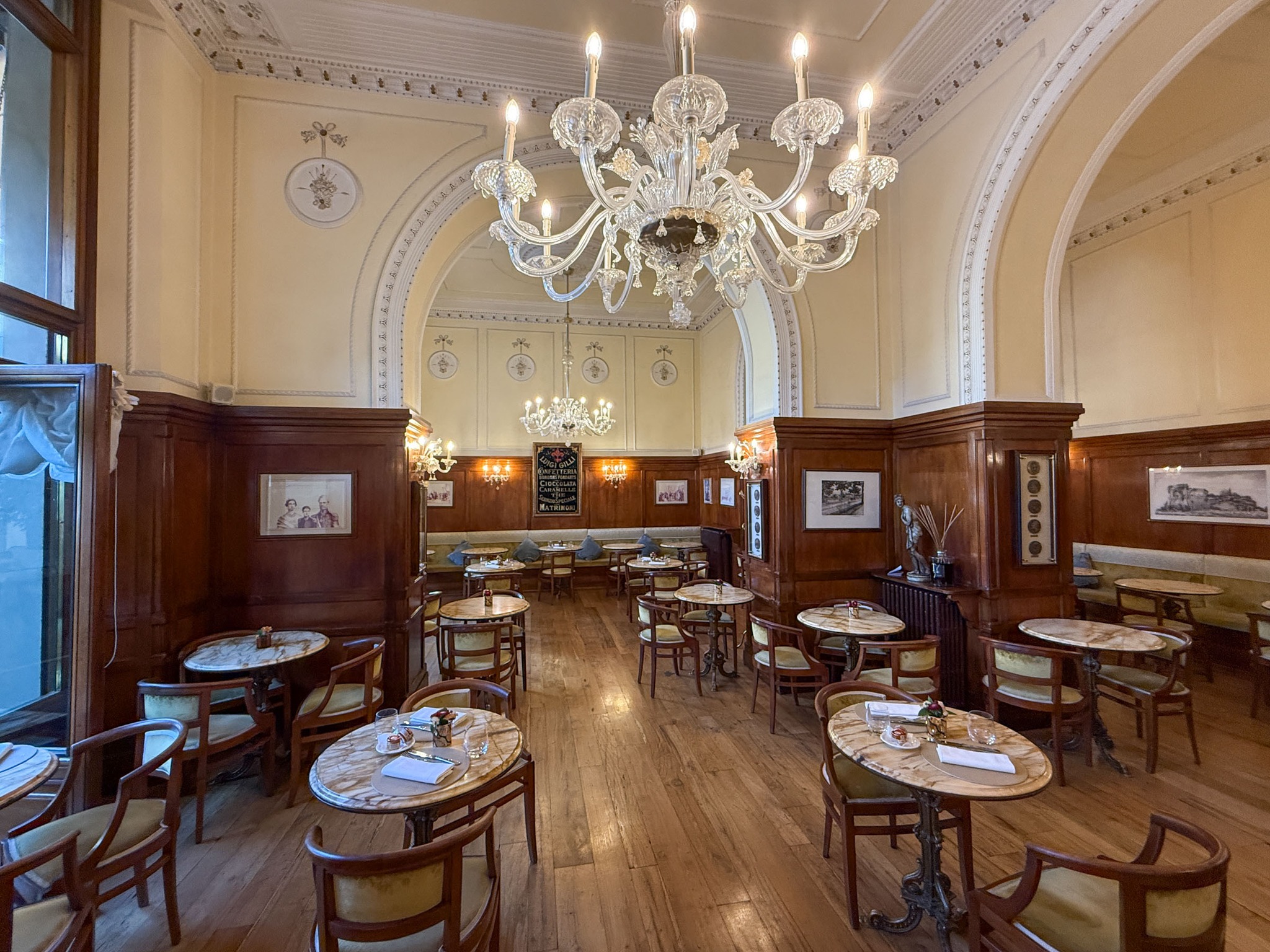
Florence is a city that lives in two worlds. On one hand, you have the towering legacy of the Medici and Michelangelo; on the other, you have a vibrant, modern city where history is literally tucked into the street corners. After exploring the “Cradle of the Renaissance,” here is how to navigate the sites, the flavors, and the hidden details that make this city so special.
The Icons: Living History
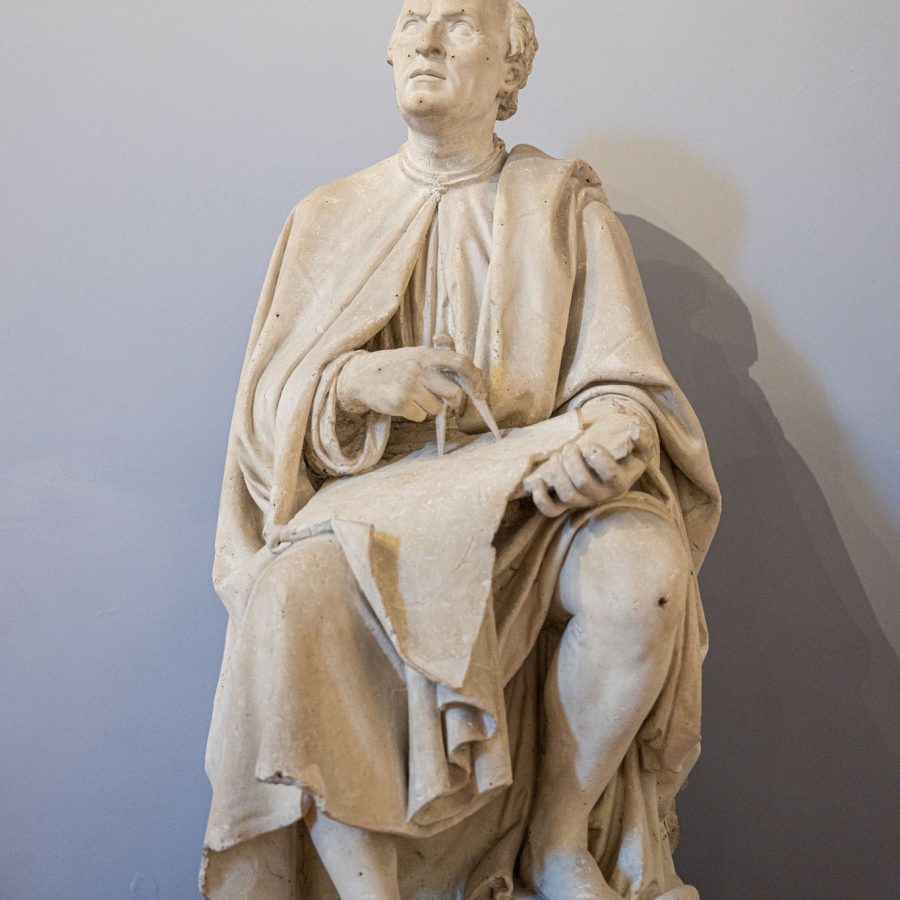
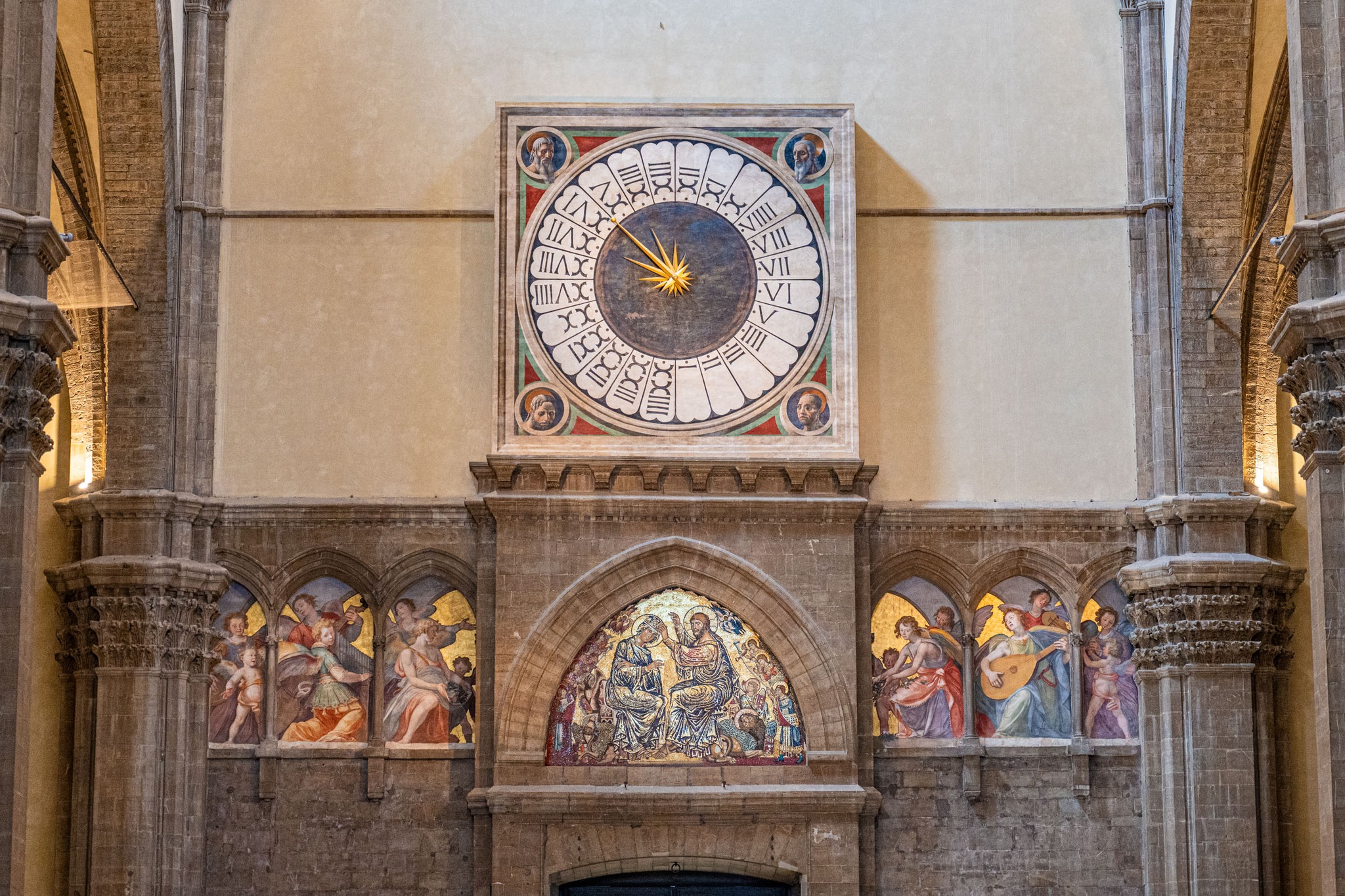
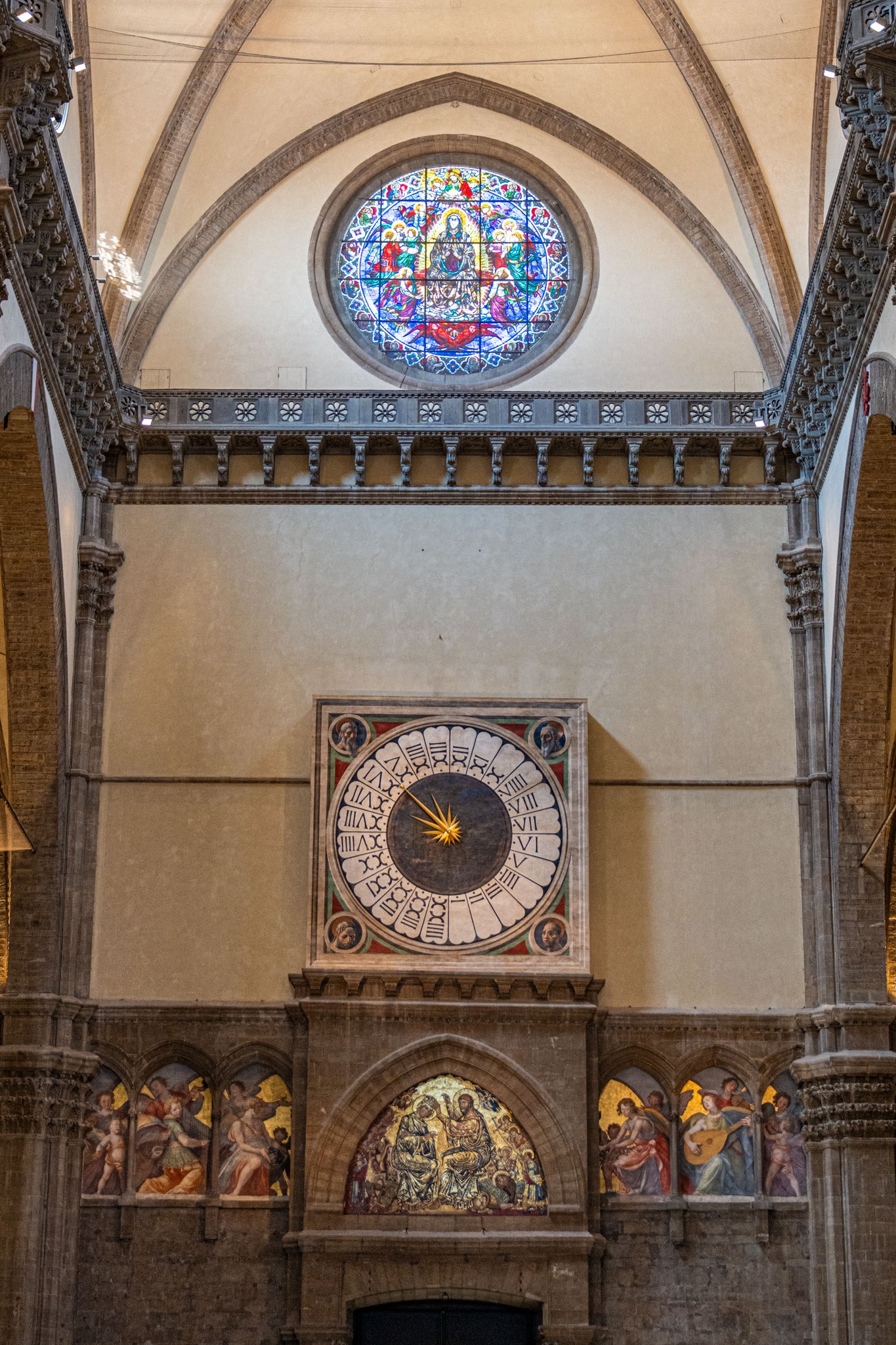
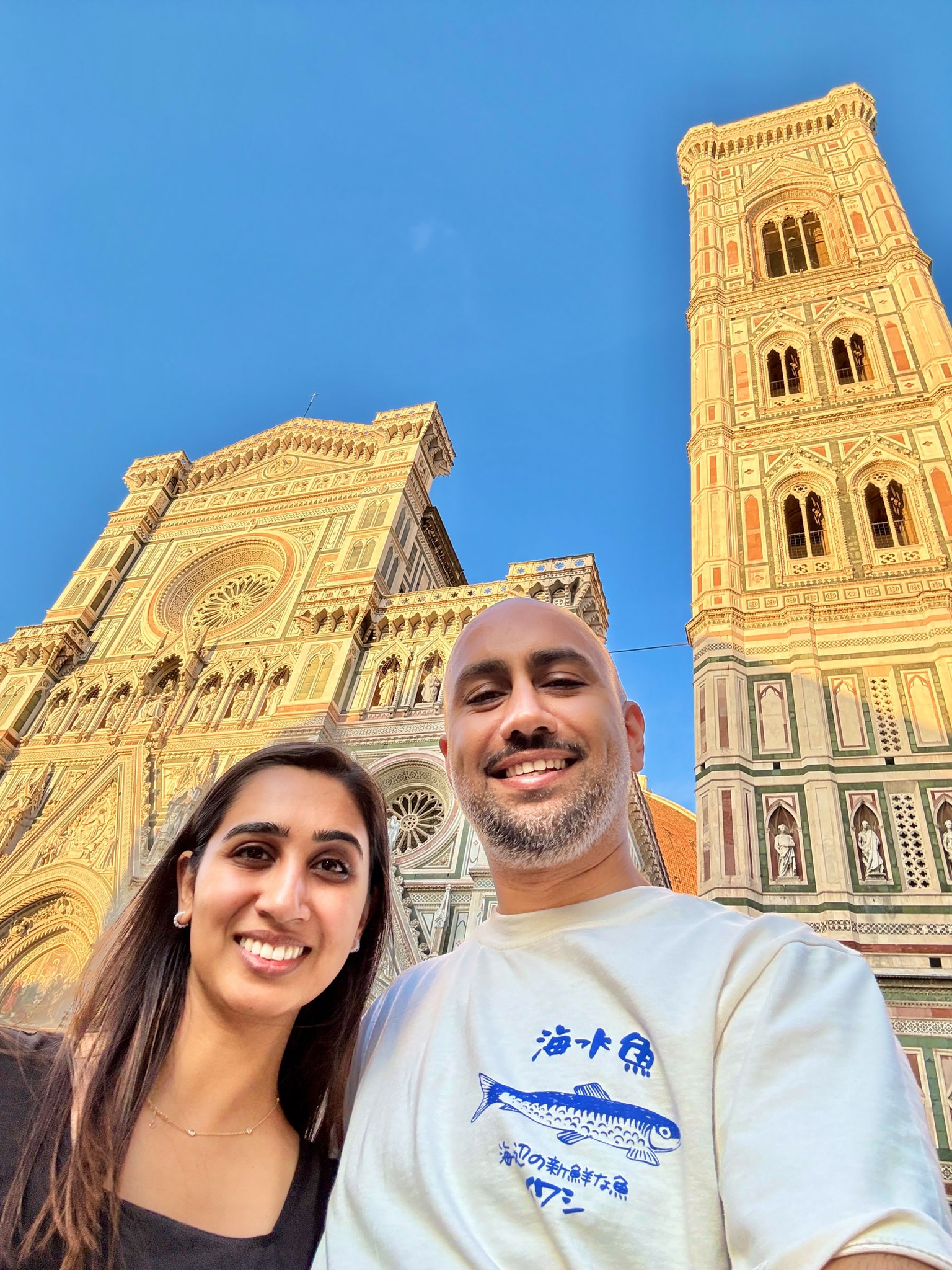
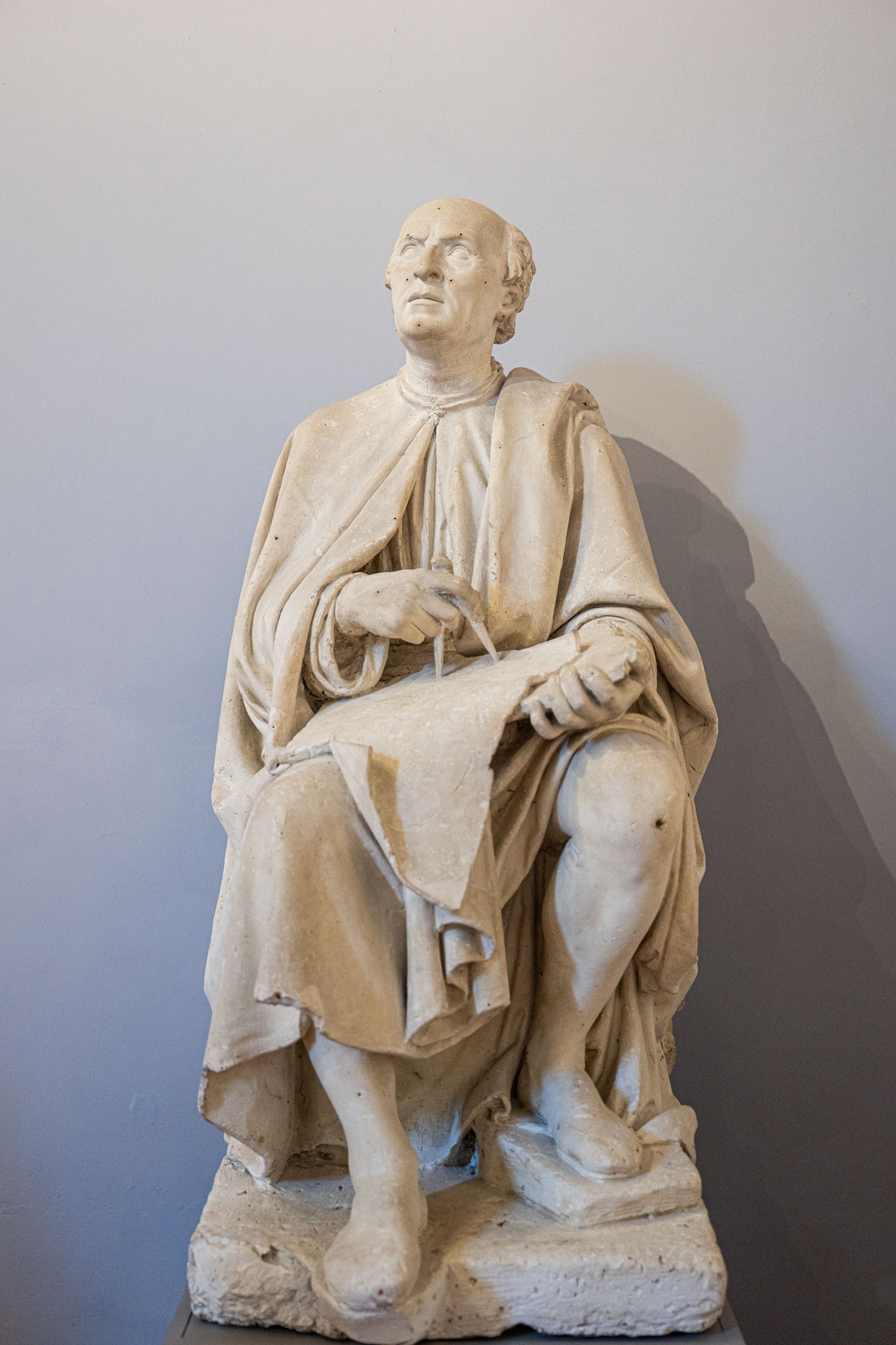
The skyline is dominated by the Florence Cathedral, specifically the massive “Duomo” designed by Brunelleschi. It’s an architectural feat that still feels impossible today. If you want to go inside or climb the dome, my best advice is to arrive as early as possible—the lines grow quickly, and it’s much cooler in the morning air.
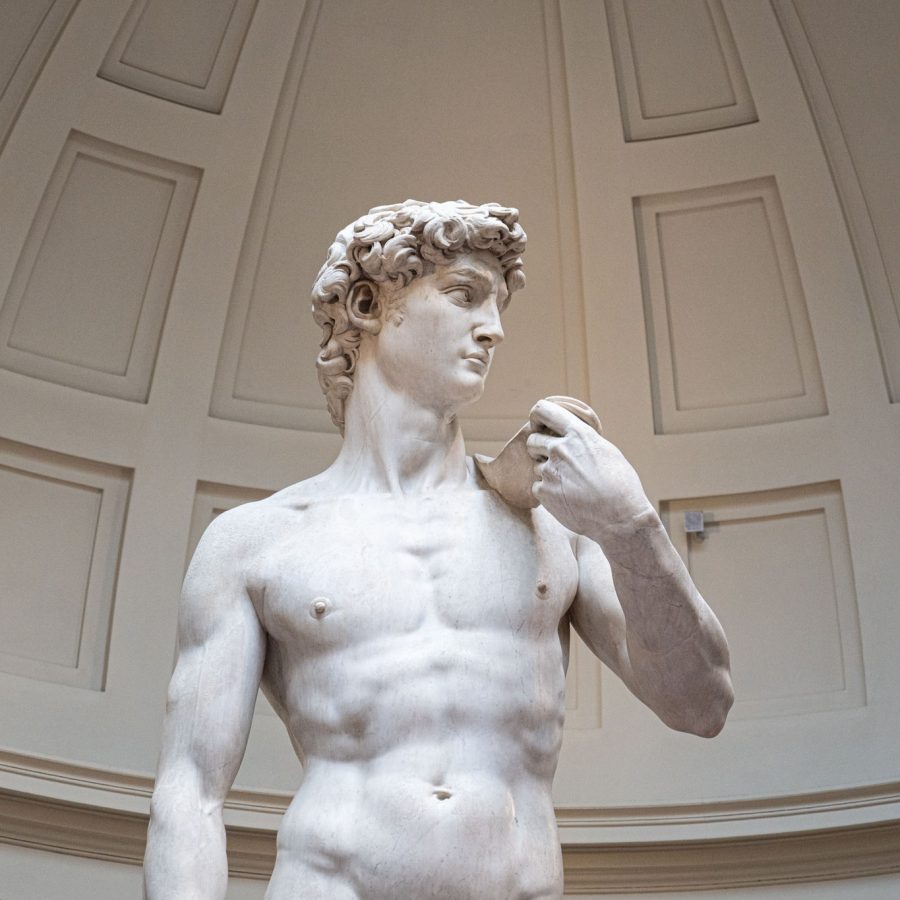
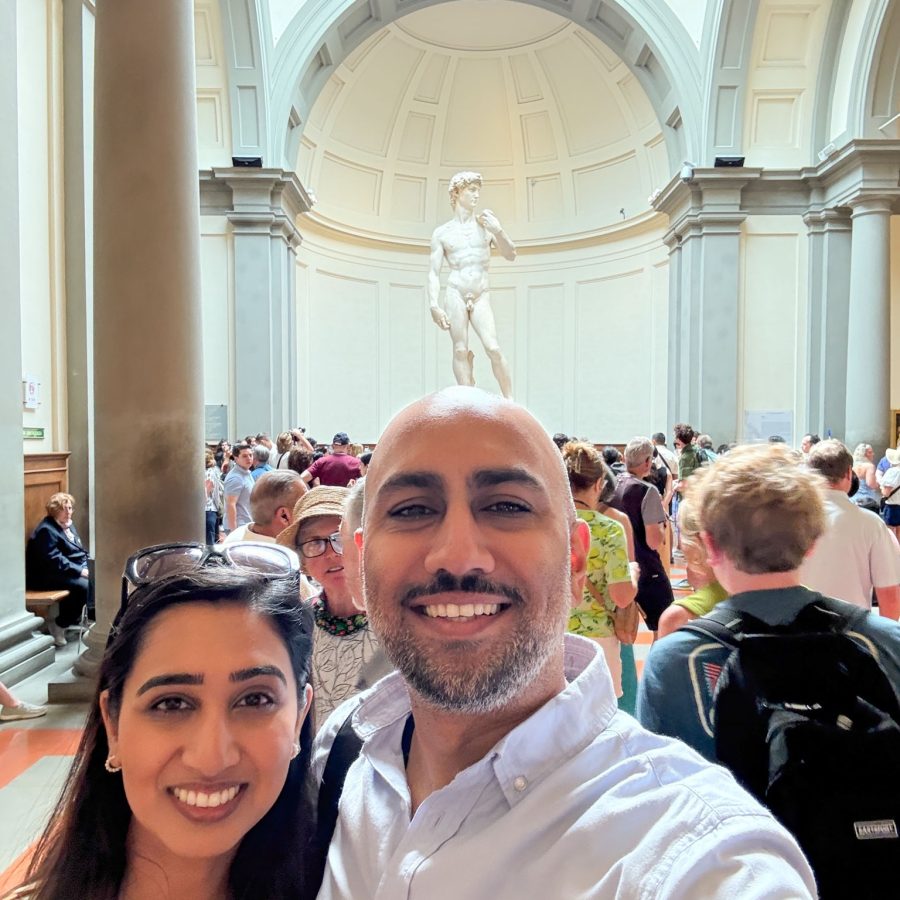
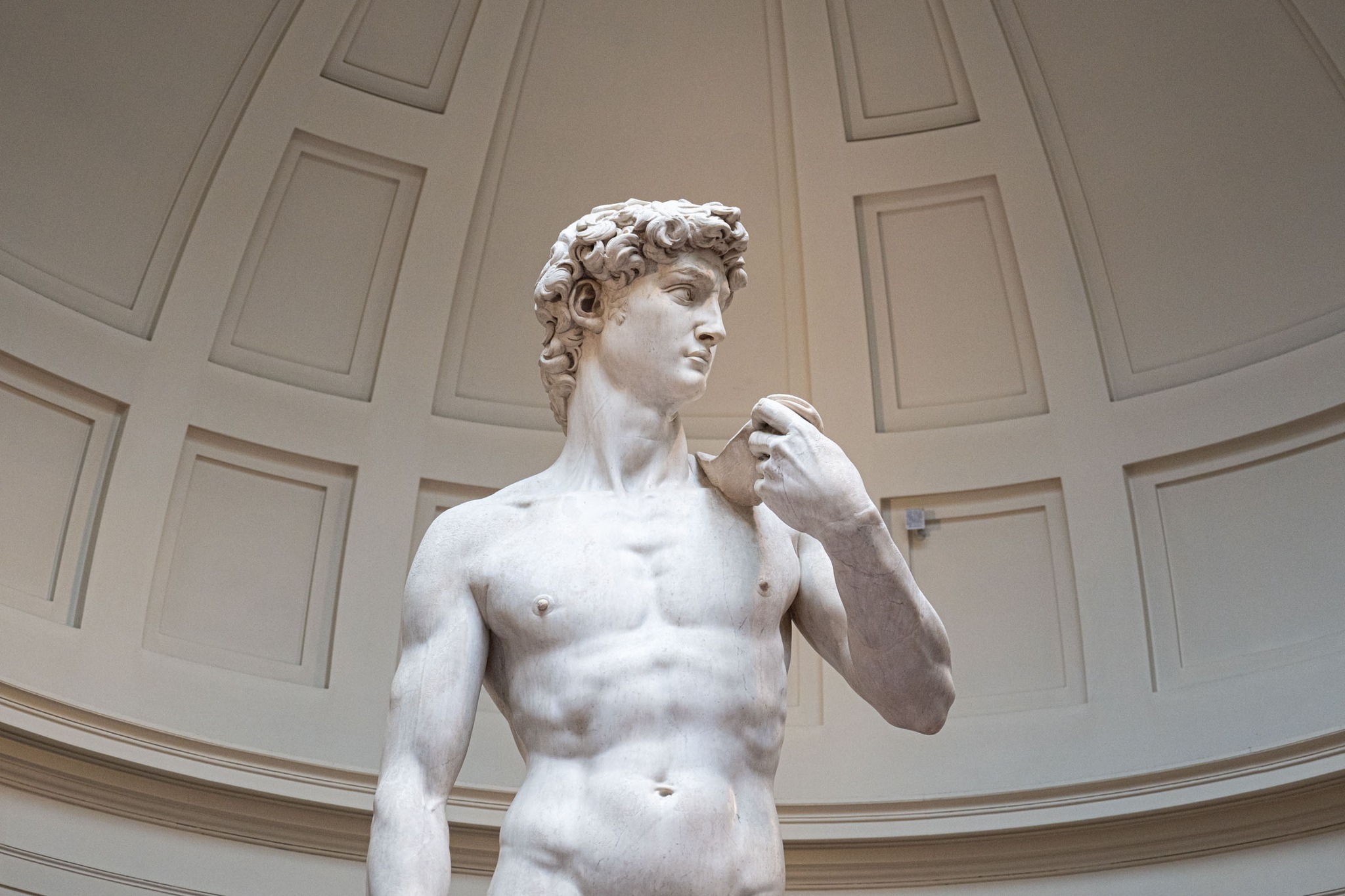
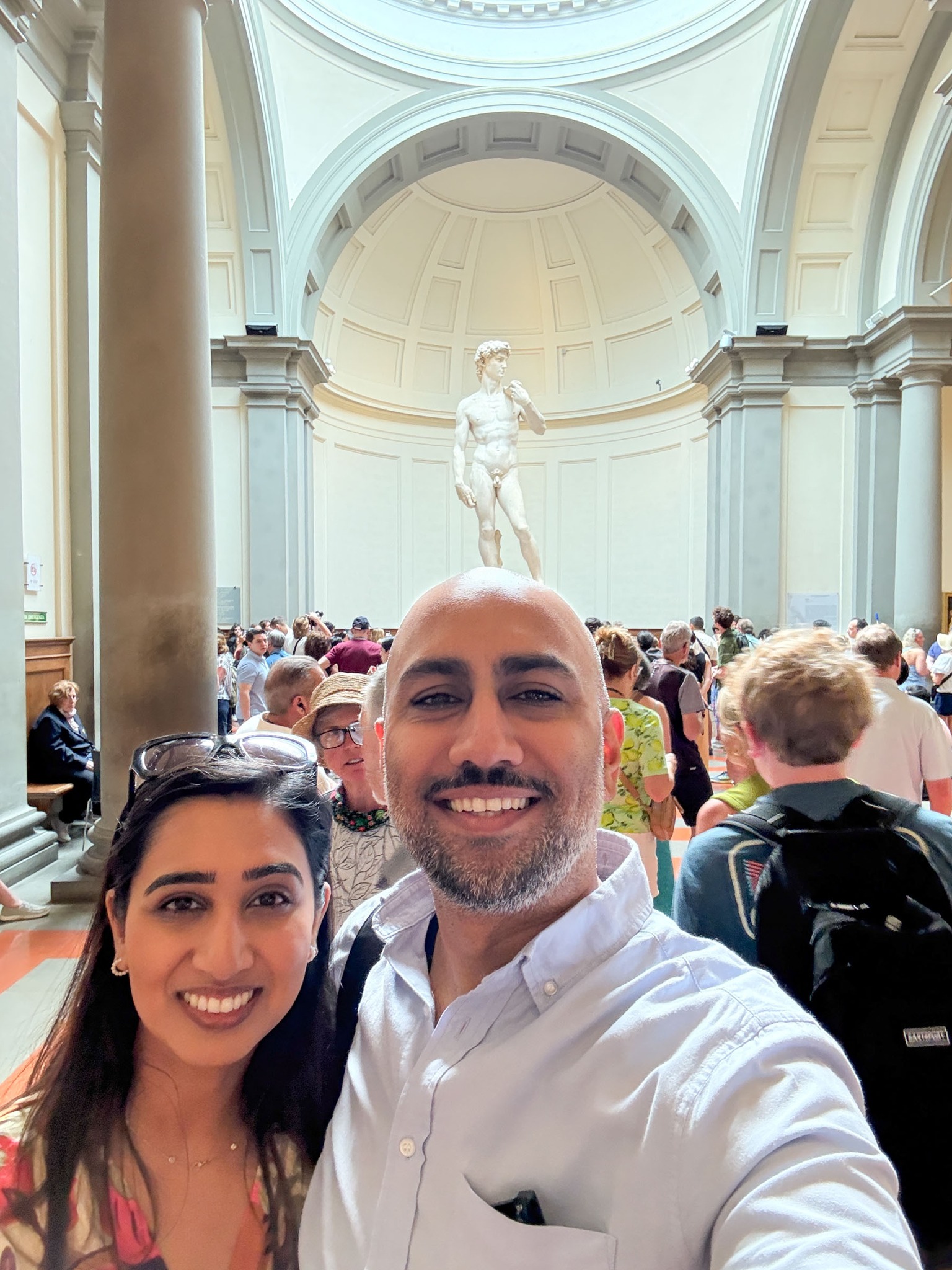
Just a short walk away, the Galleria dell’Accademia houses the original David. Seeing Michelangelo’s masterpiece in person is a “bucket list” moment for a reason, but remember that entry is strictly timed, so you’ll want to book your slots well in advance.
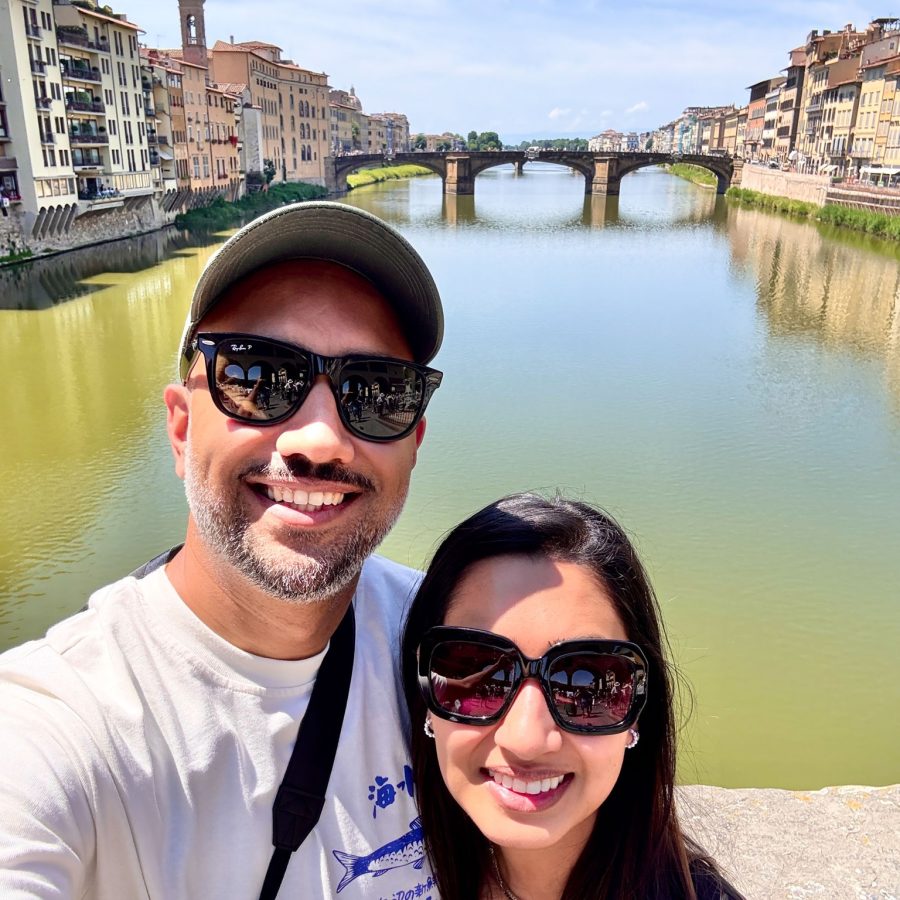
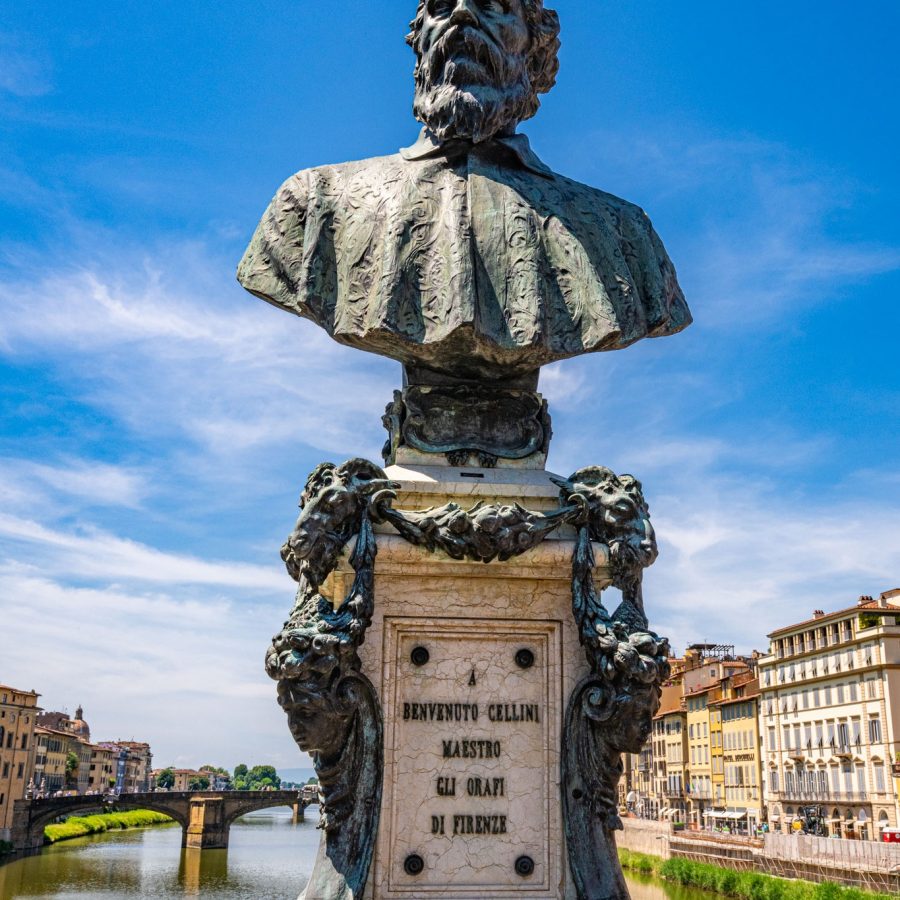
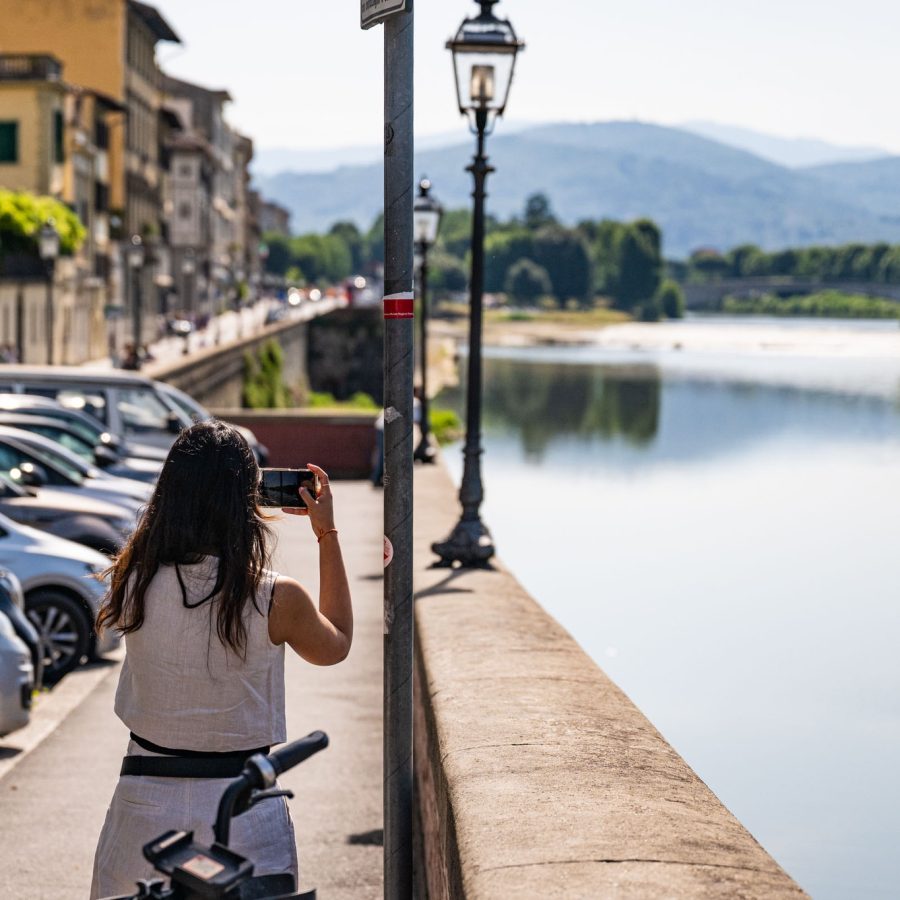
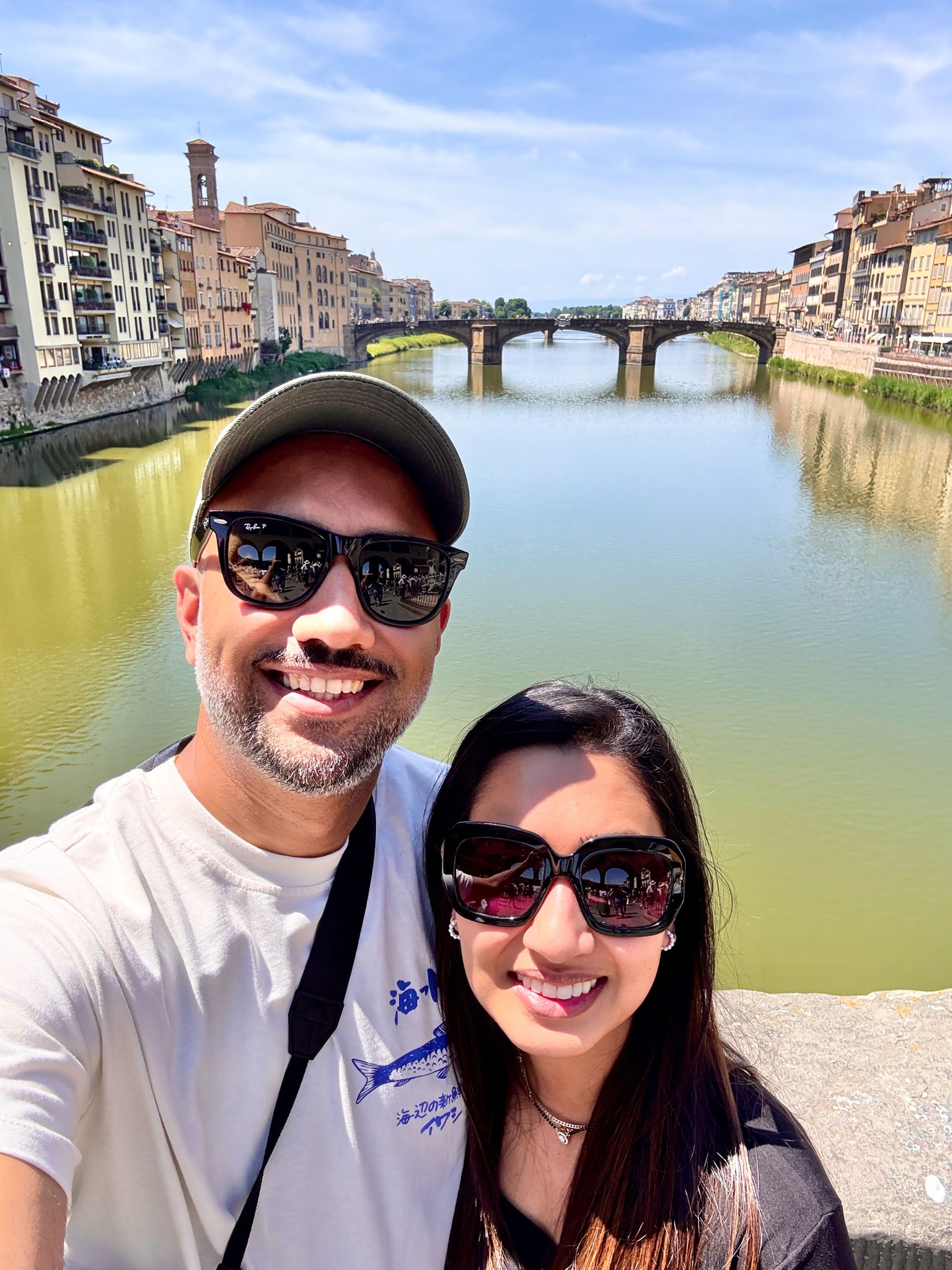
For a different kind of history, walk across the Ponte Vecchio. This iconic bridge is lined with jewelry shops where you can actually find real Roman coins—some over 2,000 years old. It’s a rare chance to own a piece of the ancient world.
For the ultimate panoramic view, head up to Piazzale Michelangelo. It’s the best spot to see the entire city skyline, with the Duomo and the Arno River laid out perfectly before you. To have the view to yourself, make the climb before sunrise or by 9:00 AM at the latest to avoid the heavy crowds. While sunset is spectacular—as the sun sets directly behind the city spires—it’s also the busiest time of day, so the early morning is your best bet for a peaceful moment.
Food & Drink: From Schiacciata to Steak
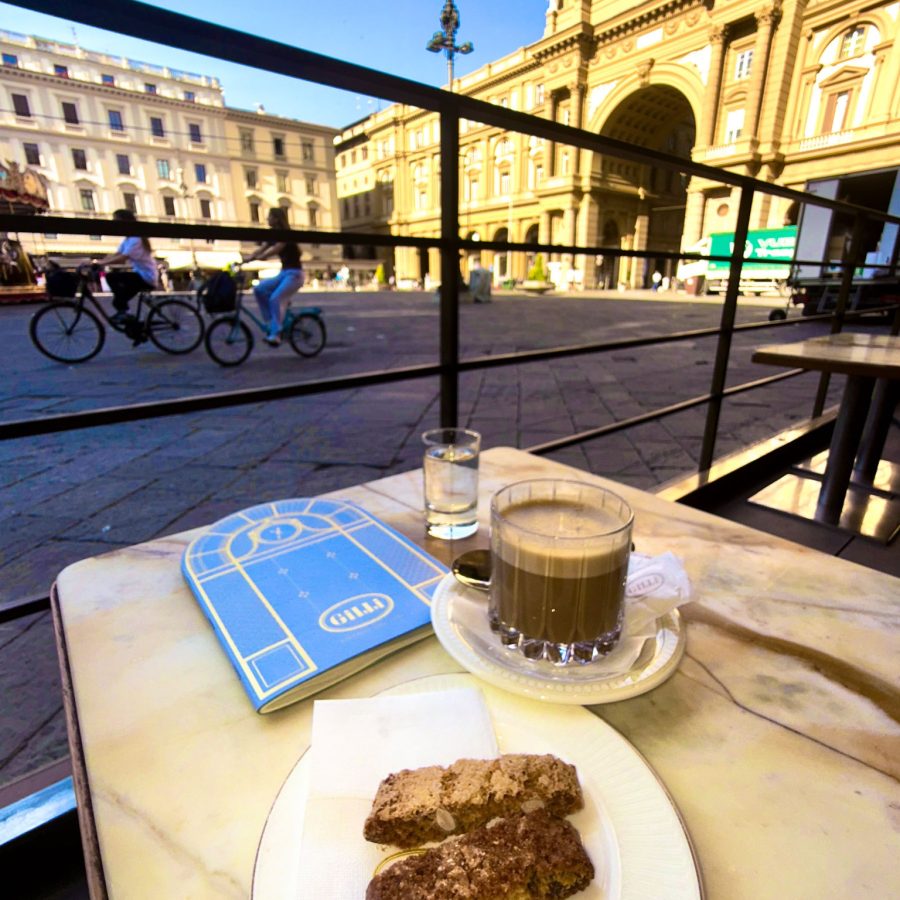
Florence is a city of sandwiches, but you have to be strategic. You’ll see massive crowds at All’Antico Vinaio, the spot that went viral on social media. While it’s famous, they have weird hours, and the lines can be exhausting. We skipped the wait and went to Pino’s (Salumeria Verdi) instead, and it was incredible. There’s something special about walking the old city with a massive sandwich in hand, watching the world go by.
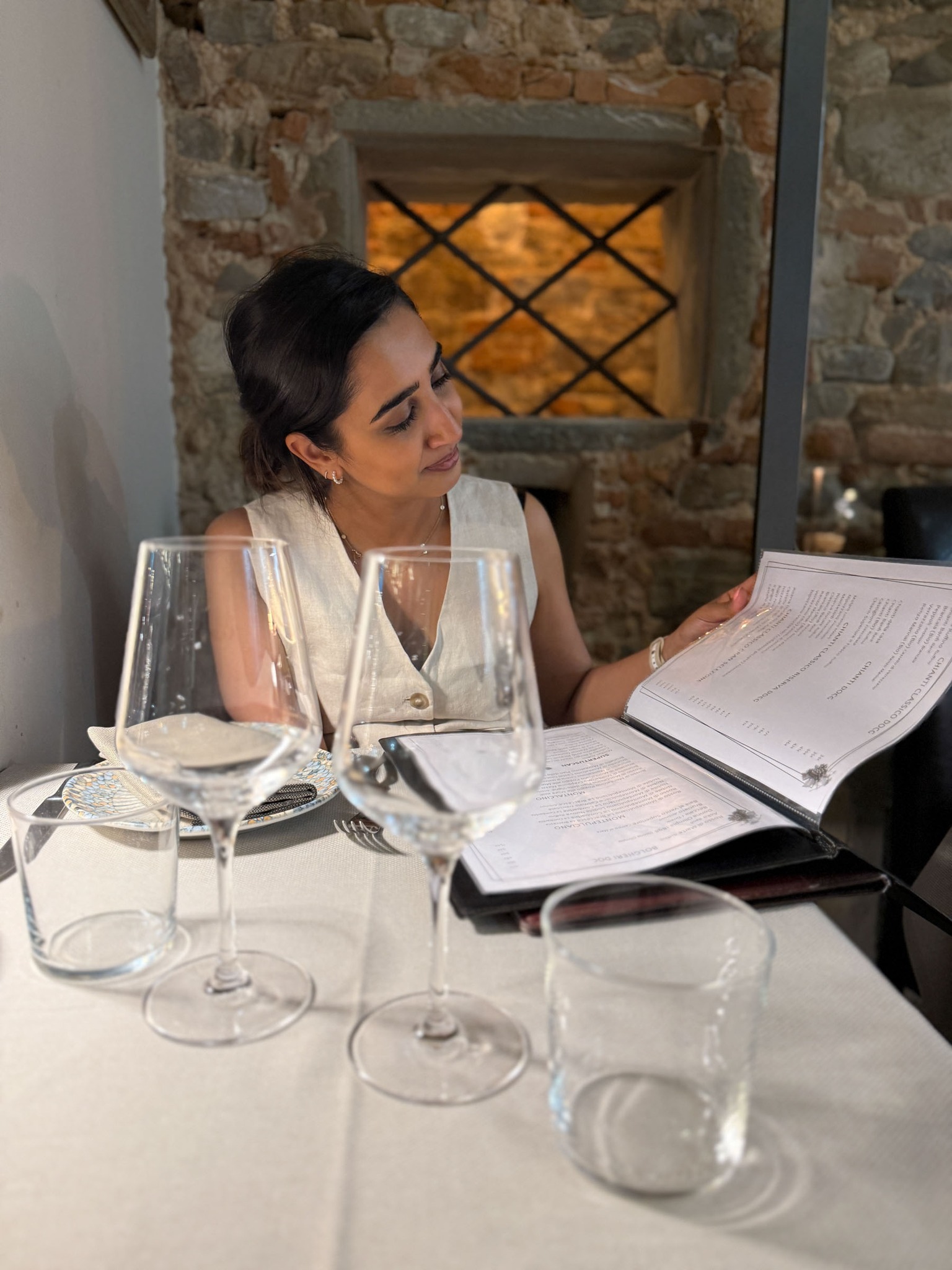
When you aren’t eating panini, lean into the Tuscan classics. The region is world-renowned for its beef, so finding a highly-rated spot for a traditional steak is a must. For a quick “Instagrammable” moment, look for the historic wine windows (buchette del vino)—tiny portals in palace walls where you can order a glass of Tuscan red directly from the street. And of course, never skip the espresso; the local cafes are excellent, provided you avoid the obvious tourist traps near the main squares.
Street Art: The Modern “Vandalism”
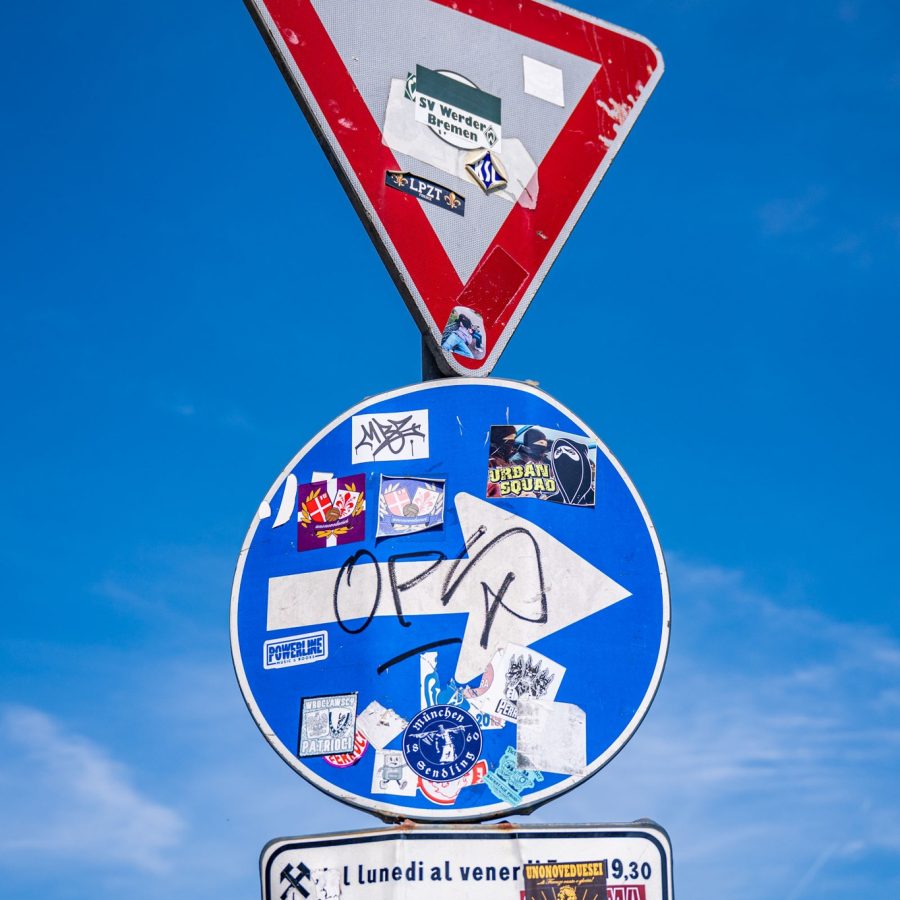
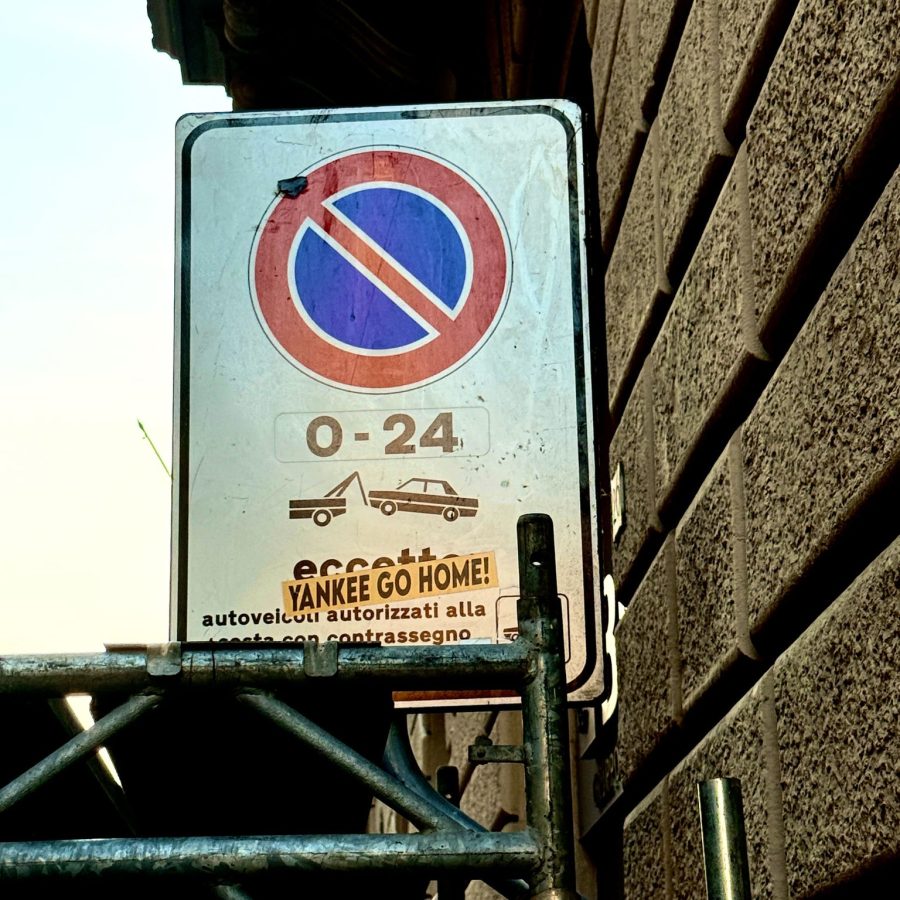
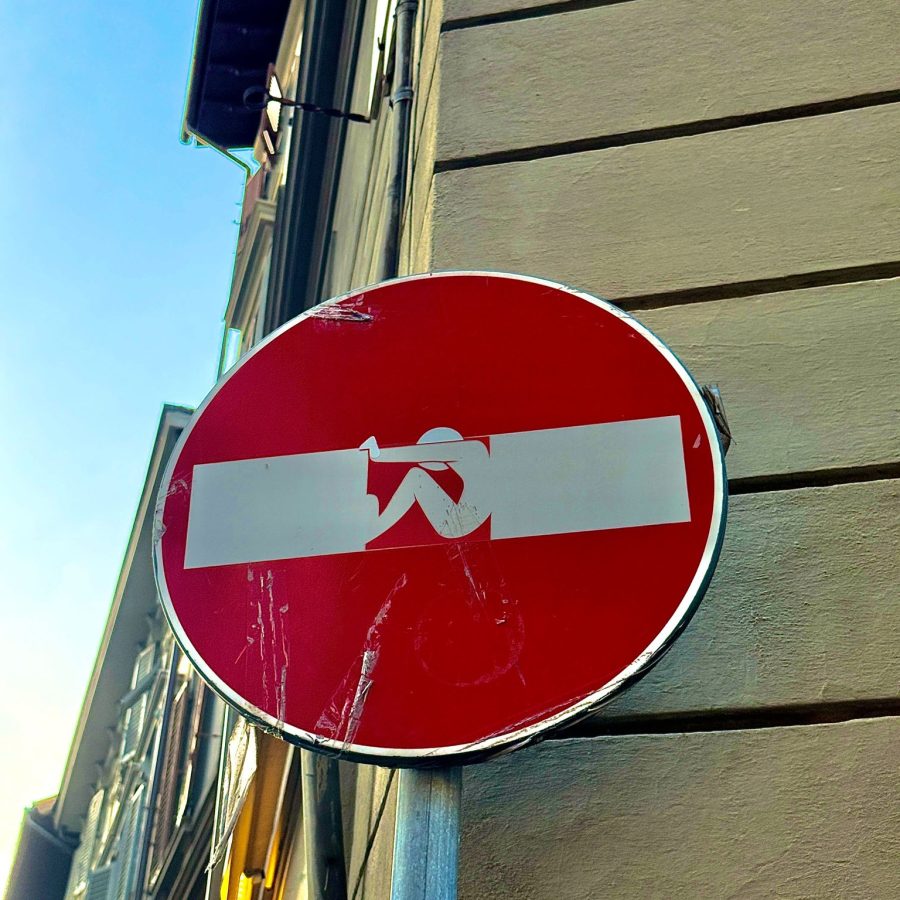
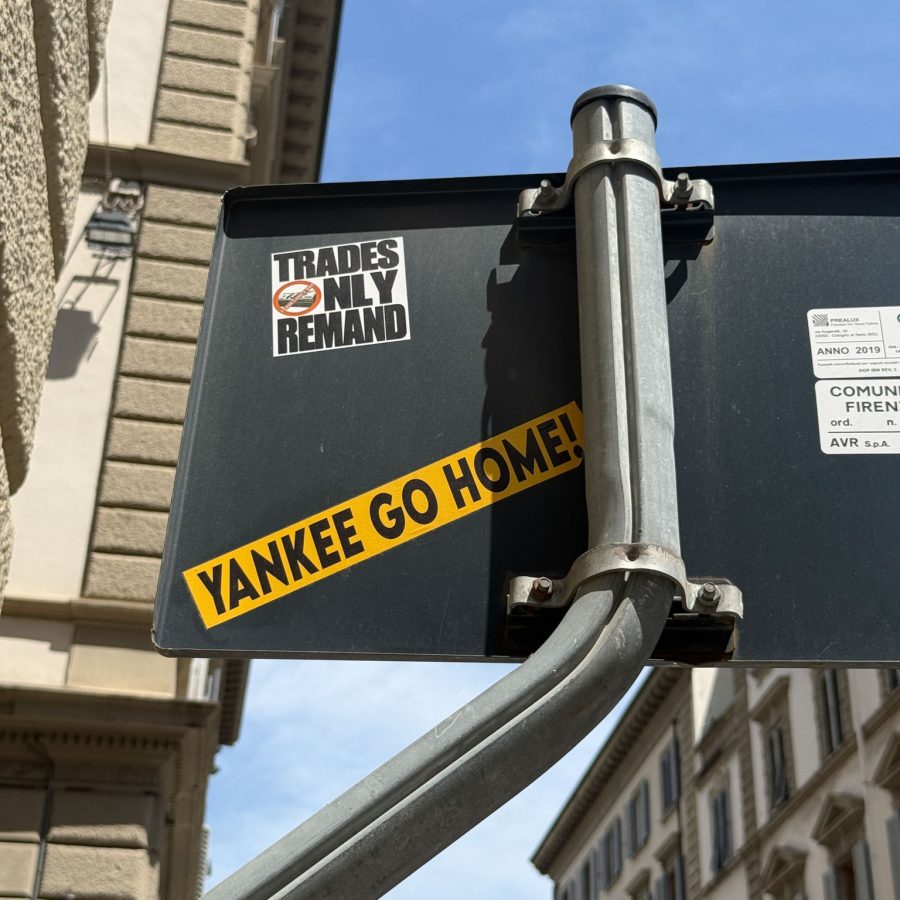
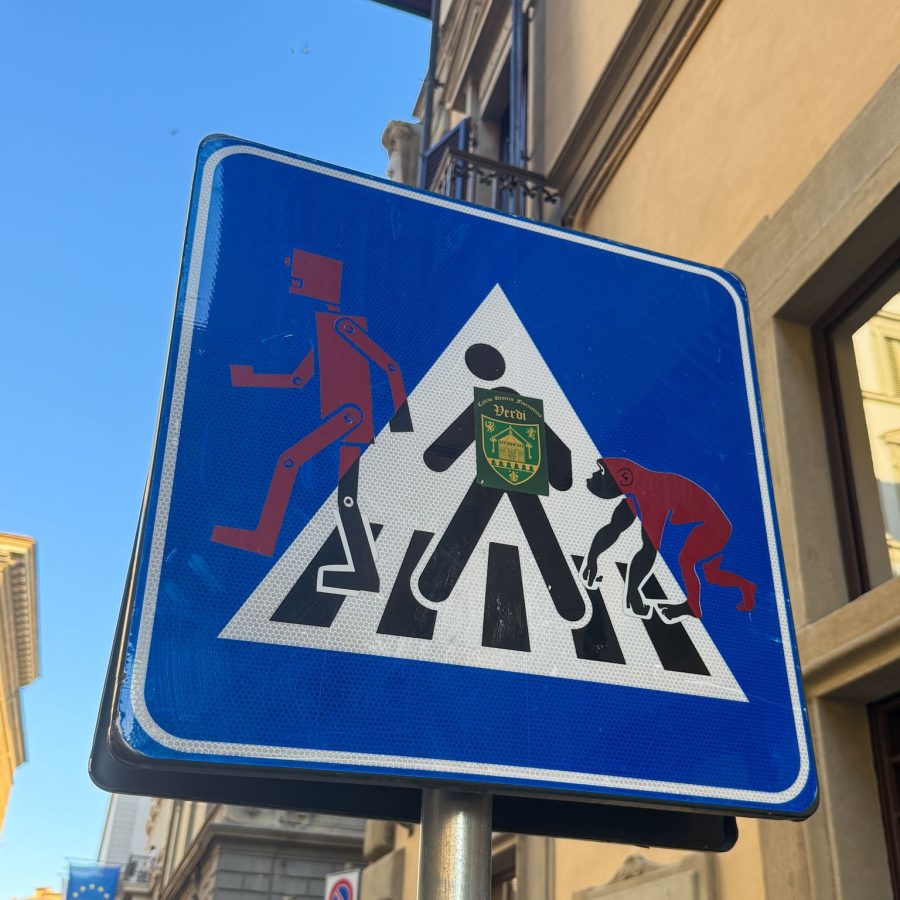
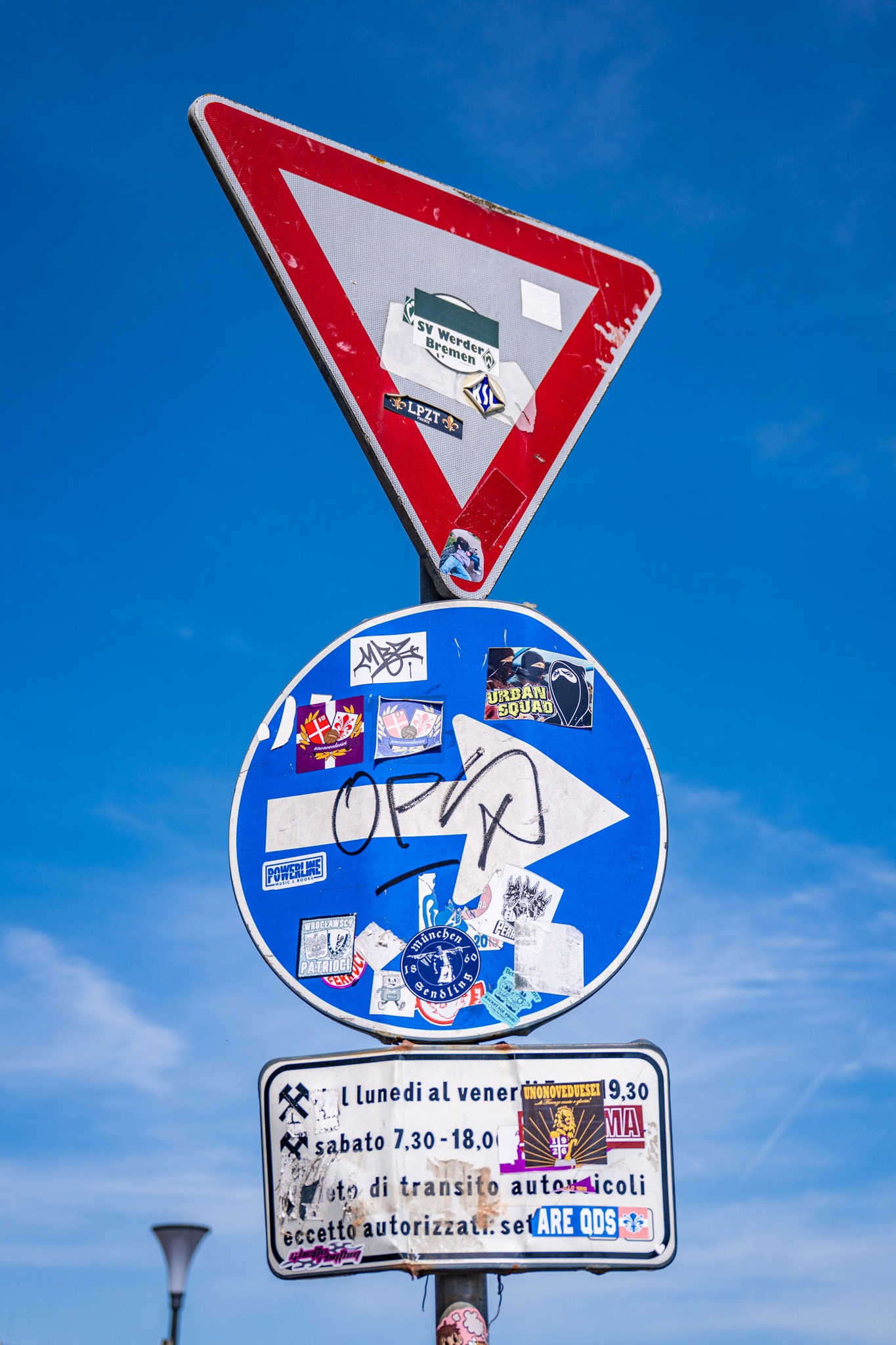
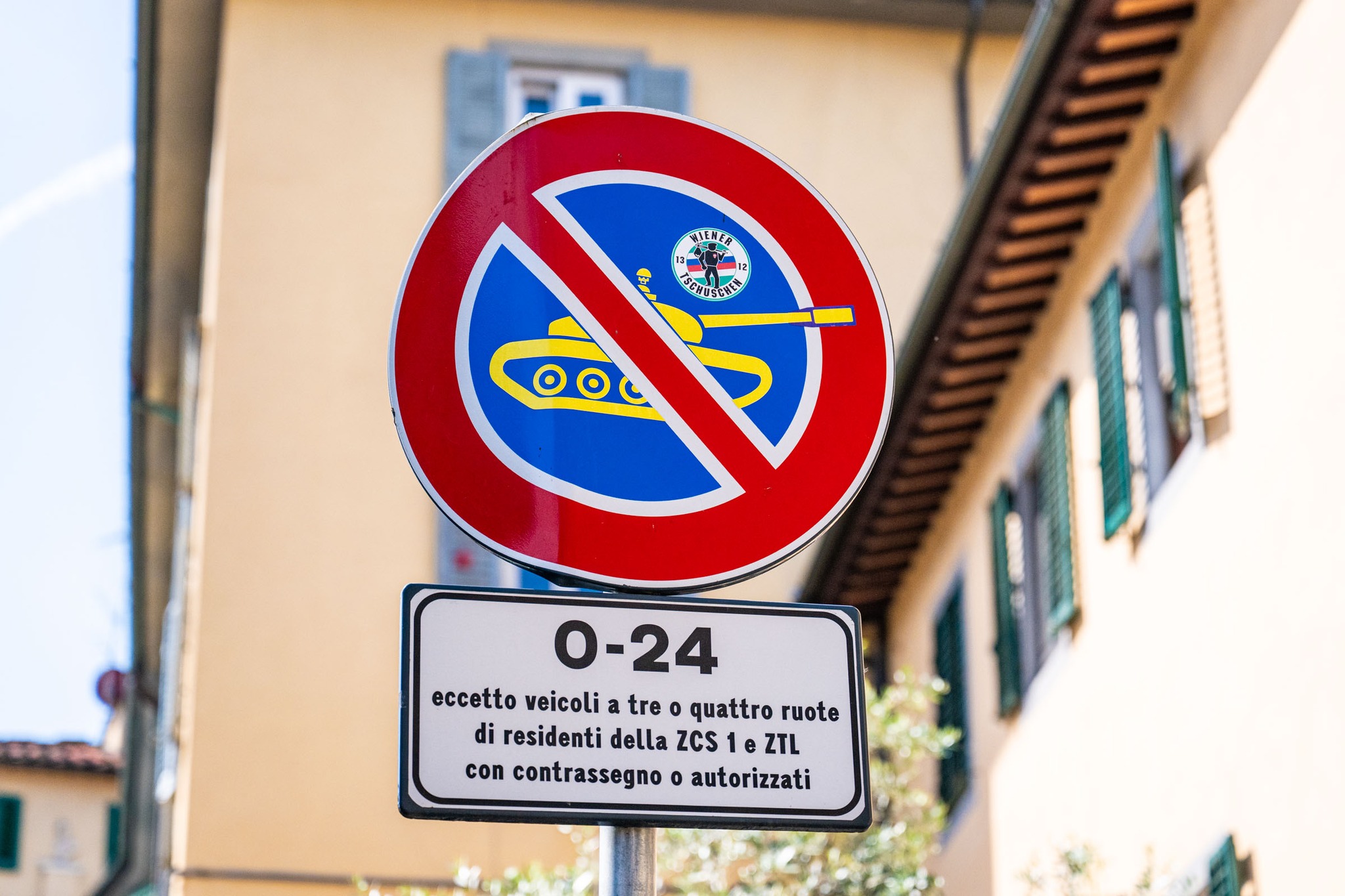
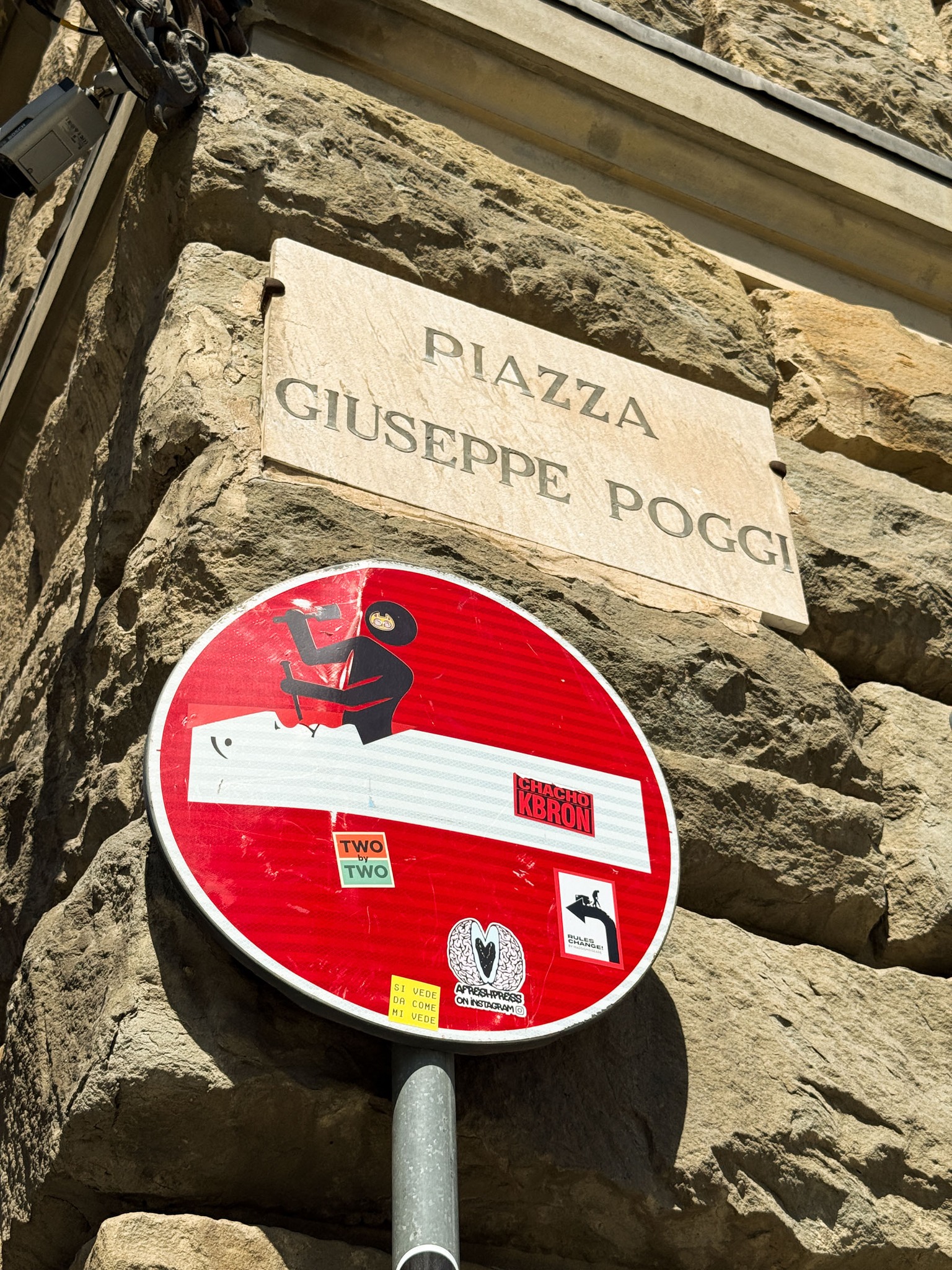
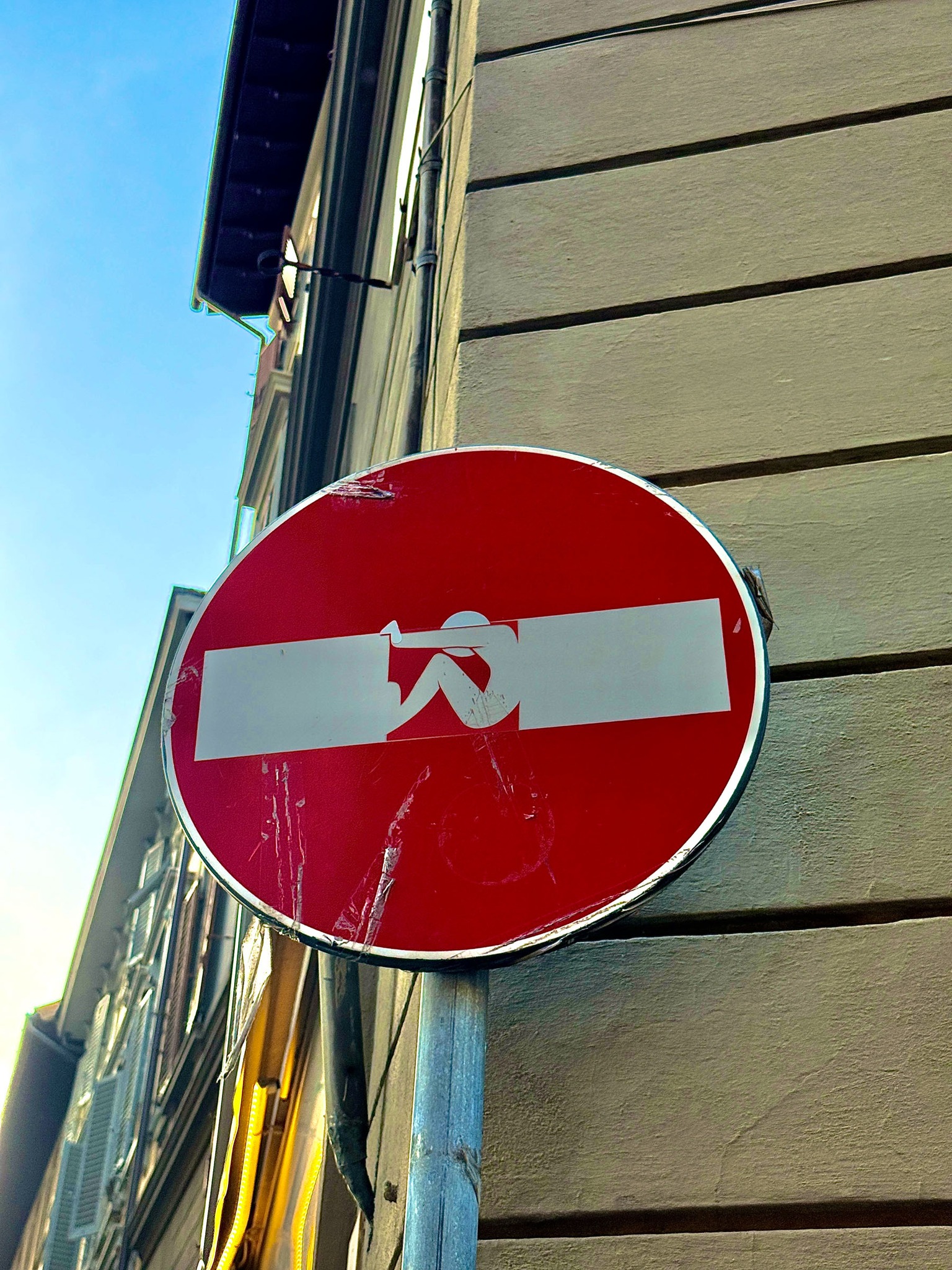
While the museums hold the classics, the streets of Florence have their own contemporary charm. Keep your eyes peeled for the work of Clet Abraham, a local artist who “hacks” the city’s traffic signs with clever, removable stickers—turning a “Do Not Enter” sign into a man carrying a heavy bar or a “Dead End” into a crucifix.
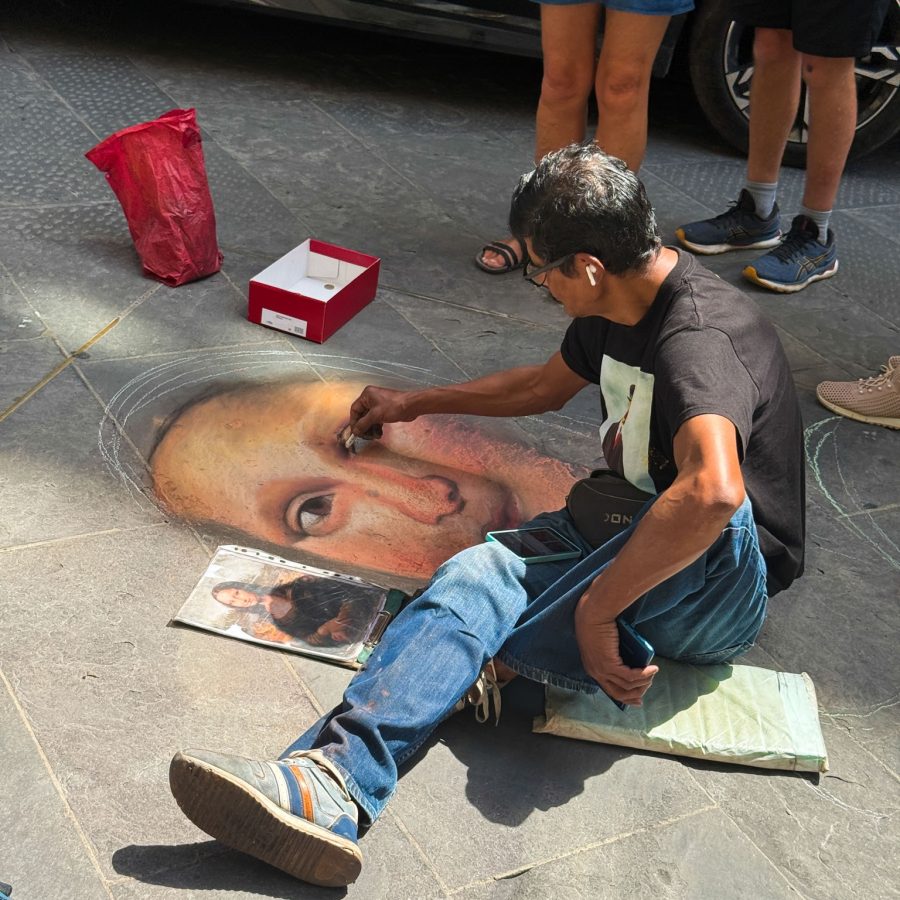
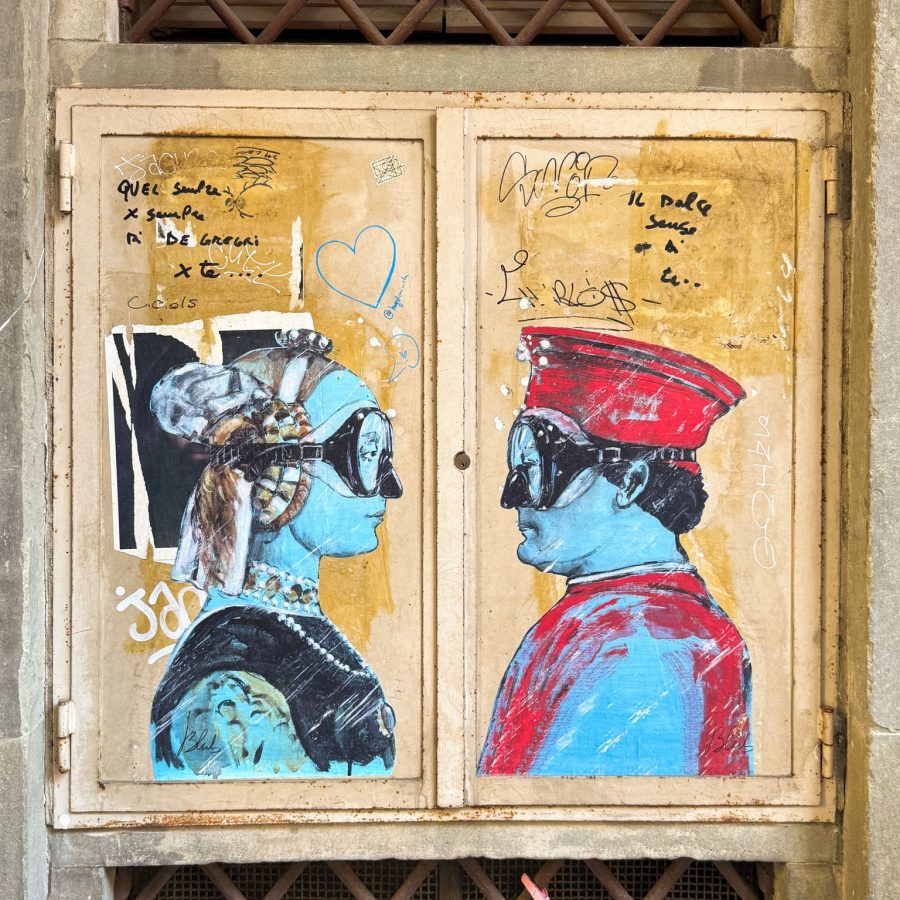
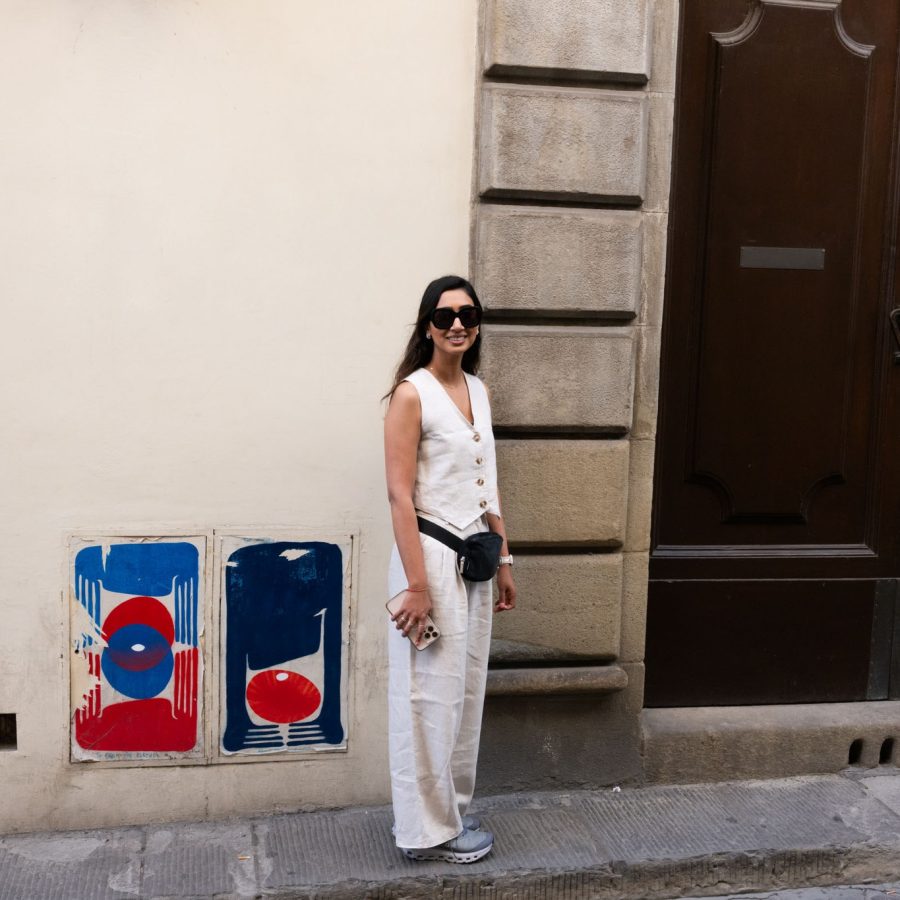
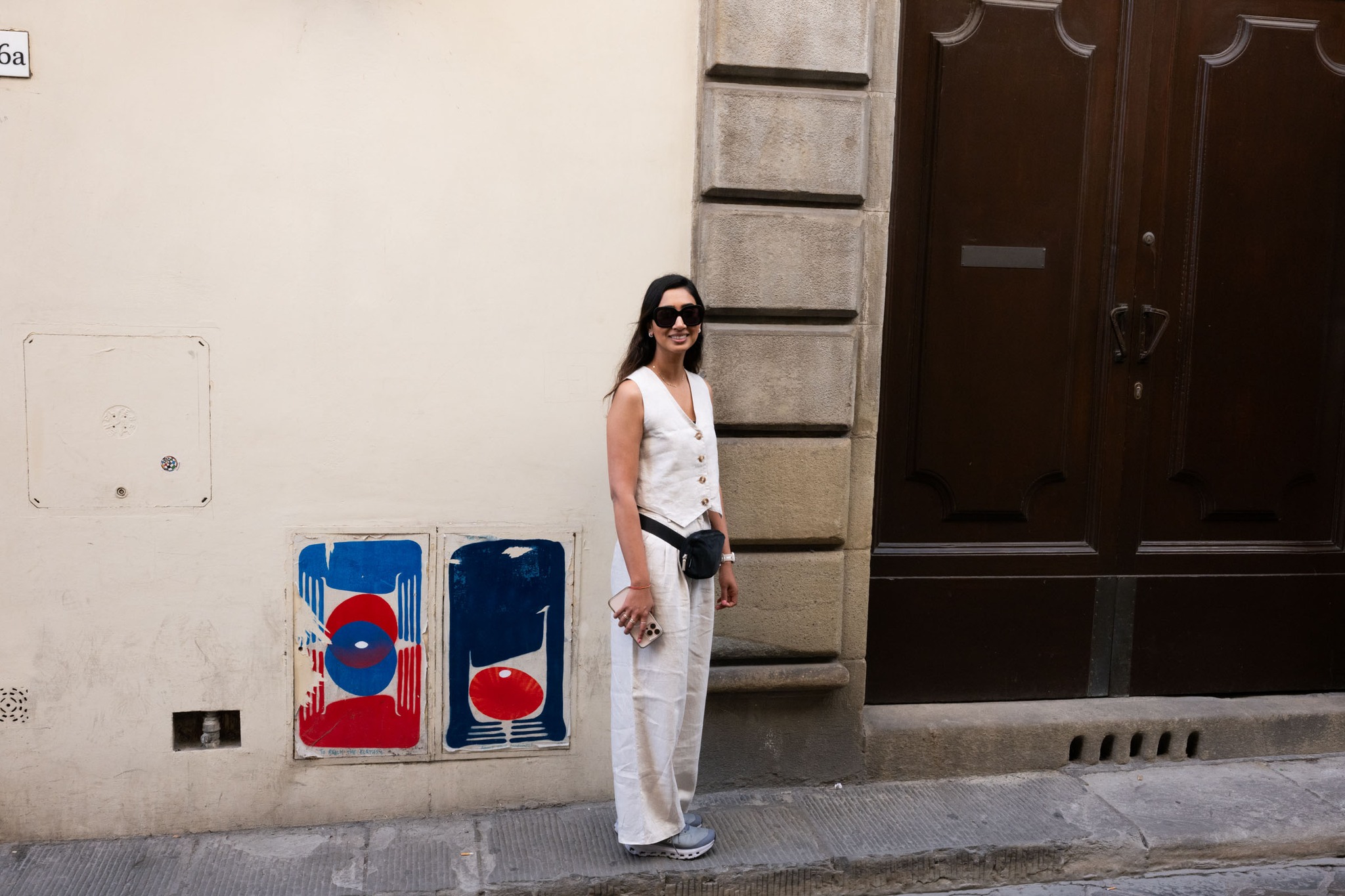
You might also spot the work of Blub, who paints “L’Arte Sa Nuotare” (Art Knows How to Swim), featuring famous figures like the David or Botticelli’s Venus wearing scuba masks. It’s a playful nod to the city’s history that keeps the urban landscape feeling alive and fresh.
Walkability: A City Built for Feet
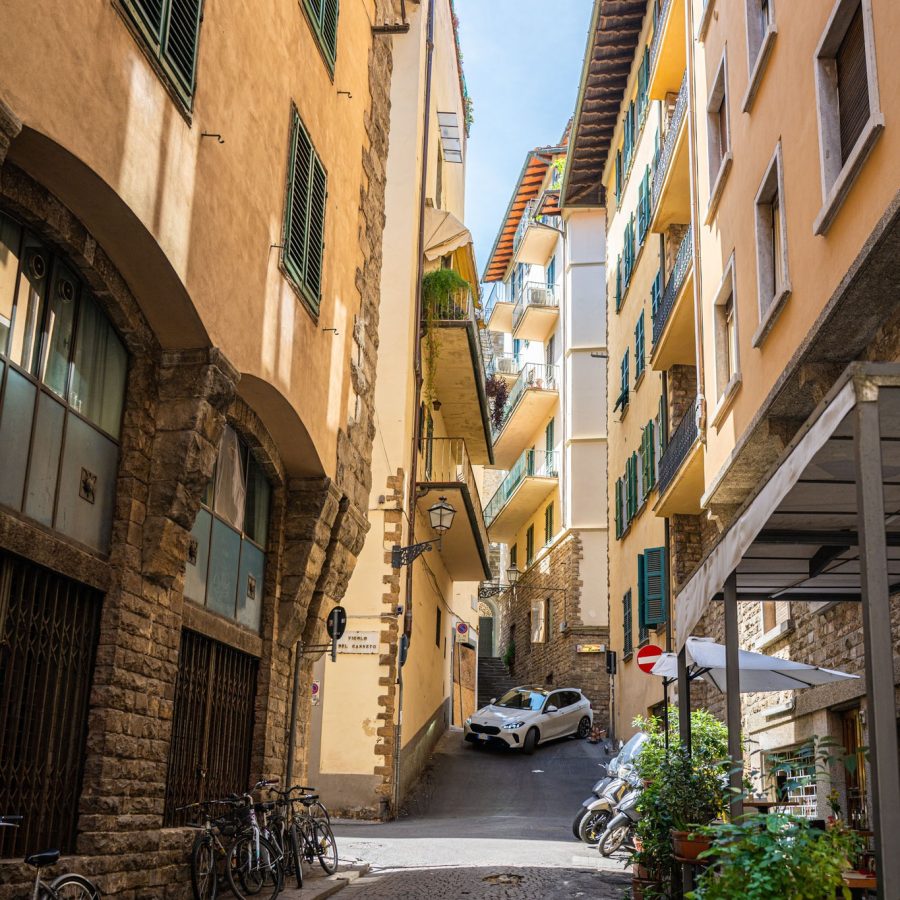
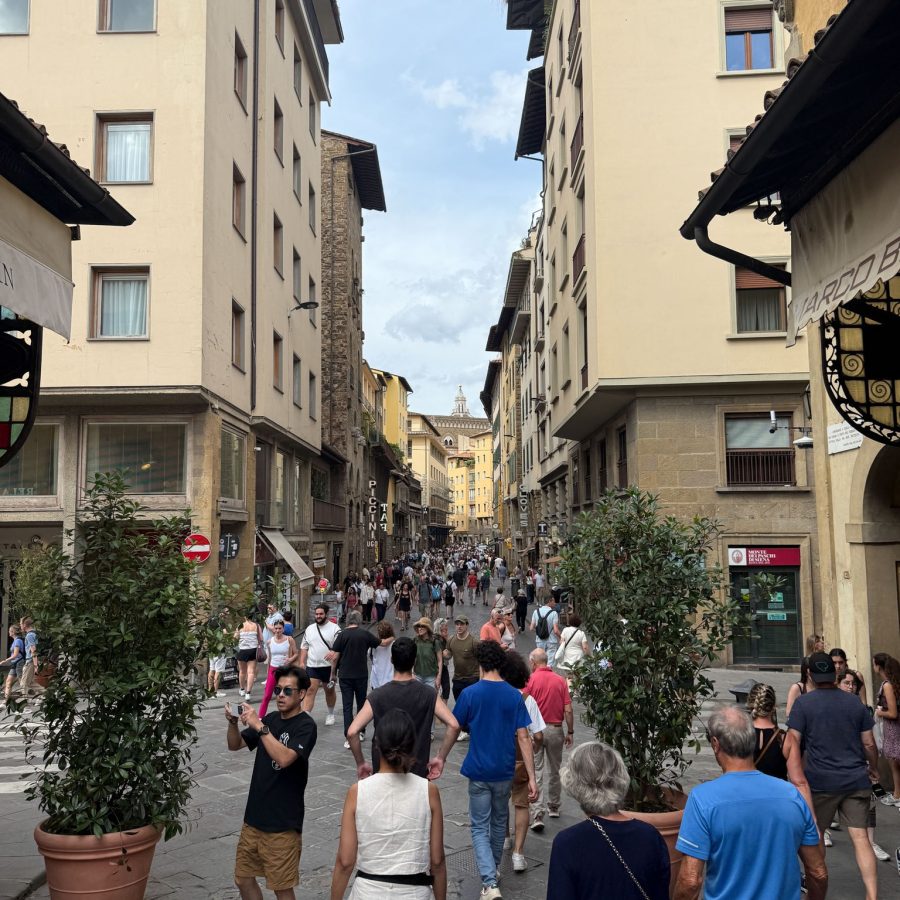
One of the best things about Florence is its scale. The central part of the city is incredibly walkable and largely closed off to most vehicle traffic (thanks to the ZTL, or Limited Traffic Zone). Because the streets are narrow and often pedestrian-only, you can cross from the Duomo to the Arno River in minutes.
This layout makes it easy to stumble upon hidden gems, like the Officina Profumo-Farmaceutica di Santa Maria Novella. It’s the oldest pharmacy in the world, and stepping inside feels like traveling back to 1533. Priyanka bought their “Acqua” perfume, which was the original scent created for Caterina de’ Medici. It’s a beautiful, sensory way to experience the city’s heritage without standing in a museum line.
Are you looking to improve your WordPress.com website’s visibility on search engines? Search Engine Optimization (SEO) is the key to attracting organic traffic and reaching a wider audience. While SEO might sound daunting, implementing some basic strategies can make a significant difference. In this blog post, we’ll explore five easy SEO tricks that will boost your website’s performance without much technical expertise.
Keyword Research: Start by researching relevant keywords related to your website’s content. Utilize free tools like Google’s Keyword Planner to find keywords with a high search volume and low competition. Incorporate these keywords naturally into your blog posts and page content to increase your chances of ranking higher in search results.
Optimize Meta Tags: Meta tags provide essential information to search engines about your website’s content. Ensure you have compelling meta titles and descriptions for each page or blog post. Keep them concise, relevant, and include the targeted keywords to attract more clicks from search users.
High-Quality Content: Producing valuable, informative, and engaging content is a crucial aspect of SEO. Search engines favor websites that offer valuable information to users. Focus on creating well-structured and relevant content that addresses your audience’s needs and interests.
Internal Linking: Utilize internal linking to connect your website’s pages and blog posts. Internal links help search engines understand the structure of your site and improve user navigation. When creating internal links, use descriptive anchor text that includes relevant keywords.
Mobile-Friendly Design: With the increasing use of mobile devices, having a mobile-friendly website is essential for SEO. Ensure your WordPress.com website has a responsive design that adapts to various screen sizes, providing a seamless user experience across devices.
Implementing these simple SEO tricks will set a strong foundation for your WordPress.com website’s success. Regularly creating valuable content and optimizing your website’s elements will attract more organic traffic and grow your online presence.
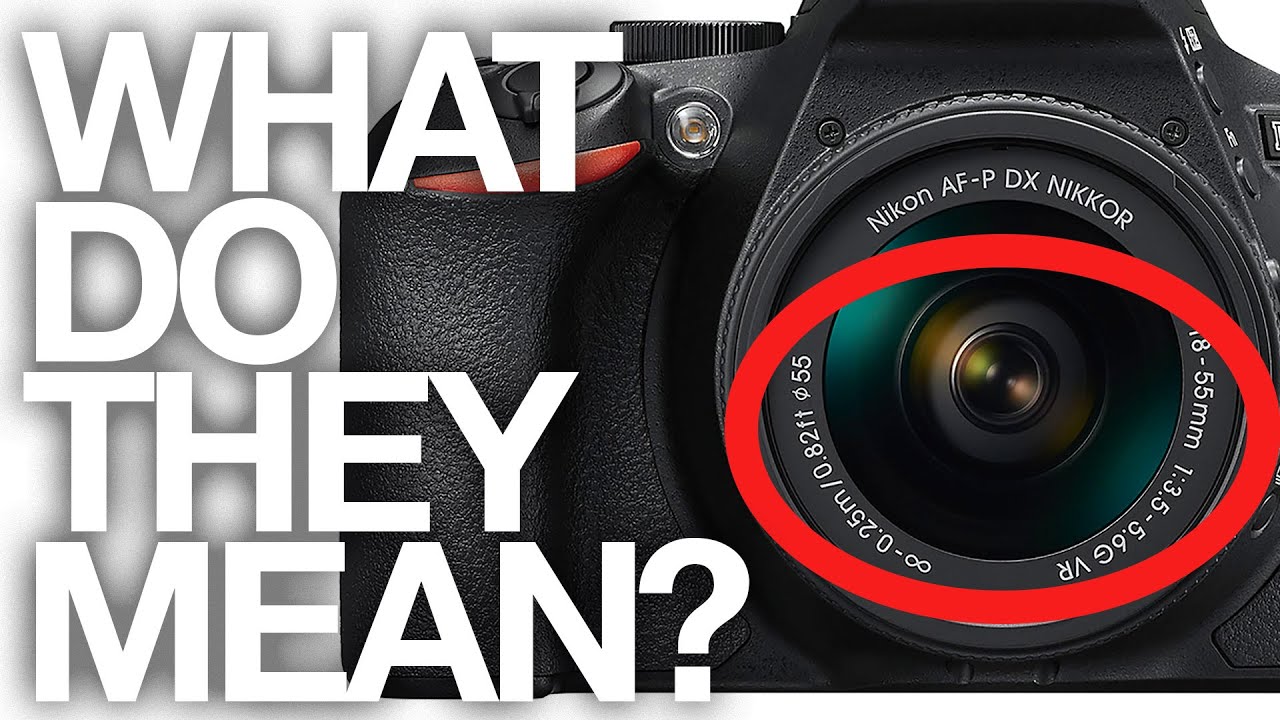
Do you have a new camera and are wondering what all those numbers on the lens mean? Are you shopping for a new lens and all those same numbers are making your head spin? You’ve come to the right place!
In this video, I’ll explain the 3 basic characteristics of all lenses. These characteristics are displayed in the form of embedded numbers and letters on the lens, and they stand for Aperture (ie “1:3.5-5.6”), Focal Length (ie “18-55mm”), and Lens Filter Diameter (ie “⌀ 62mm”).
FREE Download – Lens Cheat Sheet: http://bit.ly/lenssheet Print this out, keep it in your camera bag!
Aperture Image used in video: By KoeppiK – Own work, CC BY-SA 4.0, https://commons.wikimedia.org/w/index.php?curid=78136658
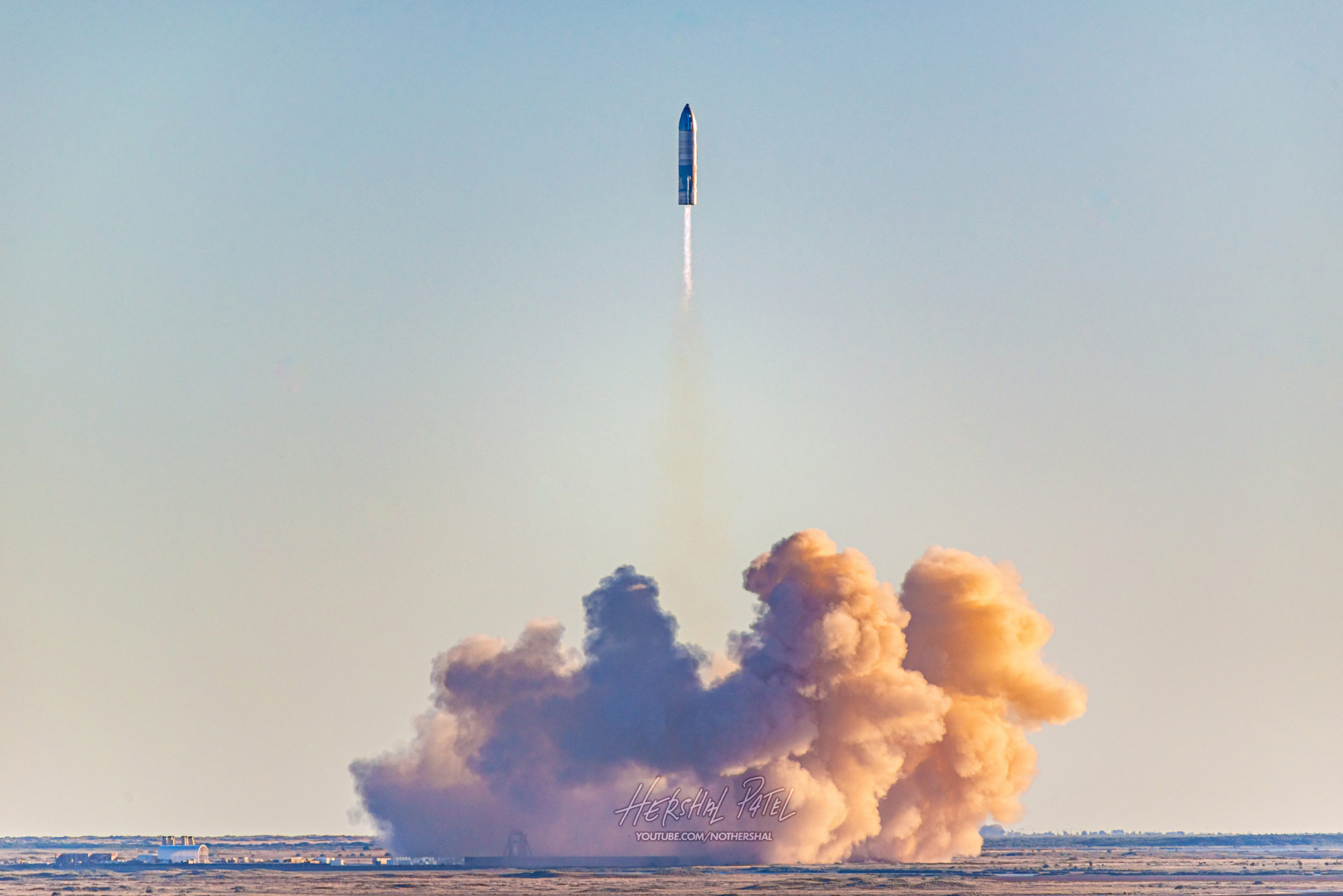
SpaceX conducted a 12.5-kilometer-high test launch of its Starship Serial Number 8 (SN8) rocket on December 9, 2020. Here’s a video I took from about 6 miles away from the launch site. This test launch took place at Boca Chica Beach, Texas near the cities of South Padre Island and Brownsville.
https://www.youtube.com/watch?v=aKLSNCODWrQ
In this video you’ll see the rocket reach its peak altitude, then begin to fall back to the ground. As it falls, just before reaching the ground, you’ll see the rocket do a remarkable maneuver as it turns itself upright in order to make a clean landing. However, something goes wrong in the very final moments, the approach is not level, so the rocket ultimately explodes.
Below are some photos I took during the launch. I took these photos on a Nikon D750 camera with a Sigma 50-500mm lens, from a distance of about 6 miles.